In a Rush? Here Are Our Top Picks
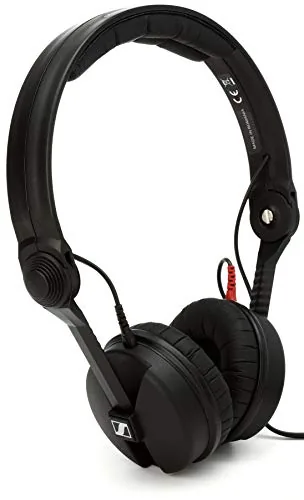
Sennheiser HD 25 Closed-Back On-Ear DJ Headphones
8.5/10DJs, broadcast engineers, and live sound monitors who need durable, isolating headphones for loud environments and extended daily use.
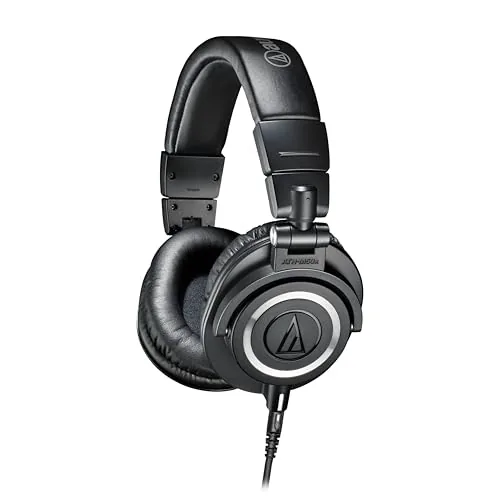
Audio-Technica ATH-M50X Studio Headphones with Detachable Cable
8.5/10Home studio producers, podcasters, and audio students who need reliable, accurate monitoring headphones without spending into professional console-room territory.
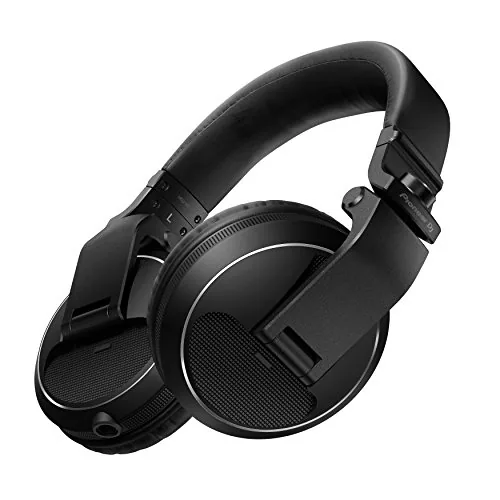
Pioneer DJ HDJ-X5 DJ Headphones Black
8.0/10Beginner to intermediate DJs who need reliable monitoring headphones for regular practice sessions and small to mid-size venue gigs.
Finding the right DJ headphones means balancing sound isolation, durability, and accurate frequency response – features that matter whether you’re cueing tracks in a loud club or mixing at home. After testing the Sennheiser HD 25, Audio-Technica ATH-M50X, and Pioneer DJ HDJ-X5, clear differences emerged in build quality, comfort over long sets, and how each handles low-end monitoring. This guide breaks down exactly what each pair does well and where it falls short, so you can match the right headphone to how you actually work.
Quick Comparison
| # | Product | Key Features | Score | |
|---|---|---|---|---|
| 1 |
Sennheiser HD 25 Closed-Back On-Ear DJ Headphones
|
|
8.5 ★★★★☆ | Check Price on Amazon Read full review ↓ |
| 2 |
Audio-Technica ATH-M50X Studio Headphones with Detachable Cable
|
|
8.5 ★★★★☆ | Check Price on Amazon Read full review ↓ |
| 3 |
Pioneer DJ HDJ-X5 DJ Headphones Black
|
|
8.0 ★★★★☆ | Check Price on Amazon Read full review ↓ |
| 4 |
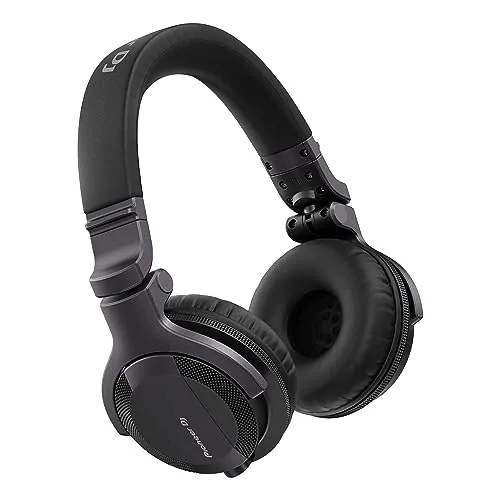 Pioneer DJ HDJ-CUE1 On-Ear DJ Headphones Dark Silver |
|
7.8 ★★★★☆ | Check Price on Amazon Read full review ↓ |
| 5 |
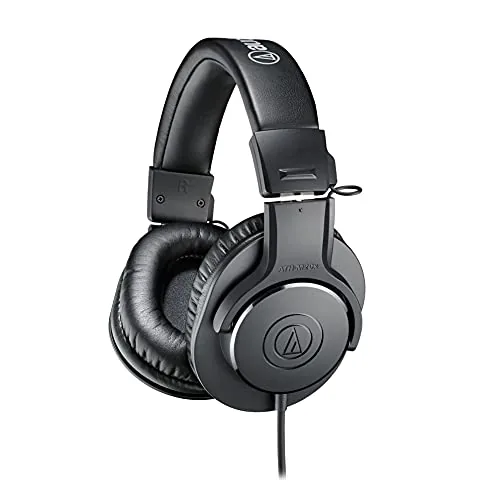 Audio-Technica ATH-M20x Closed-Back Studio Headphones |
|
7.8 ★★★★☆ | Check Price on Amazon Read full review ↓ |
| 6 |
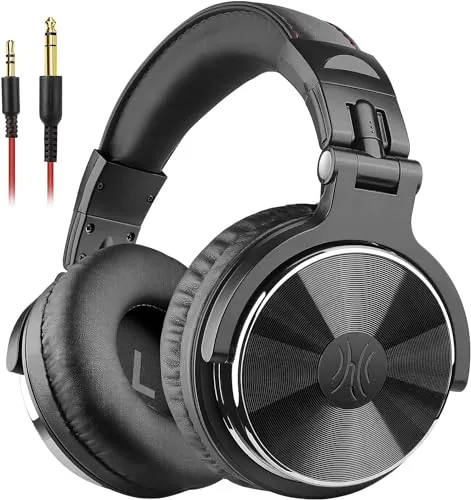 OneOdio Pro-10 DJ Headphones with Dual Jack Inputs |
|
7.5 ★★★★☆ | Check Price on Amazon Read full review ↓ |
The HD 25 is a long-running workhorse in DJ booths and broadcast studios, built around a closed-back design that blocks outside noise and handles loud monitoring levels without distortion. Lightweight aluminium voice coils keep the drivers responsive and the weight low enough for multi-hour sessions. At $130, it sits in a competitive range but carries a reputation for durability that cheaper alternatives rarely match.
Key Features
- Aluminium voice coils reduce moving mass for faster response
- Handles very high sound pressure levels without distortion
- Low weight supports extended wear without fatigue
- Detachable single-sided cable with included jack adapter
✅ Pros
- Closed-back design provides strong passive isolation in loud environments
- Detachable cable means a worn cable is a cheap fix not a replacement
- Lightweight build stays comfortable across long DJ sets or monitoring sessions
- High SPL handling suits loud club or stage monitoring use
❌ Cons
- On-ear fit can cause ear fatigue for some listeners beyond a few hours
- Single-sided cable routing may not suit all studio setups
Why We Chose It
The HD 25 combines a genuinely low weight with a closed-back design that holds up in high-SPL environments where most consumer headphones distort or struggle. The detachable cable is a practical reliability feature that extends the usable life of the headphones significantly. These qualities make it a sensible long-term investment over cheaper DJ-oriented options.
Perfect For
DJs, broadcast engineers, and live sound monitors who need durable, isolating headphones for loud environments and extended daily use.
The ATH-M50X uses 45mm drivers with rare earth magnets to deliver flat, accurate sound across an extended frequency range. The circumaural earcup design seals around the ears, blocking ambient noise without relying on active noise cancellation. At $159, it sits at the practical entry point for genuine studio monitoring use.
Key Features
- 45mm large-aperture drivers with rare earth magnets and CCAW voice coils
- Circumaural earcup design for passive sound isolation in loud environments
- 90-degree swiveling earcups for single-ear monitoring
- Detachable cable reduces wear-point failures over time
- Reinforced earpads and headband rated for extended professional use
- Extended frequency range with accurate low-frequency reproduction
✅ Pros
- Flat, detailed sound signature suits mixing and critical listening
- Passive isolation works without batteries or firmware
- Detachable cable means a worn cable is a $10 fix, not a replacement
- Swiveling earcups make one-ear monitoring quick and natural
❌ Cons
- Clamping force is firm, which some users find fatiguing over multi-hour sessions
- No inline microphone or remote, limiting casual mobile use
Why We Chose It
The ATH-M50X has a 15-plus year track record in recording studios and project home setups because its frequency response is accurate enough to make mix decisions without second-guessing the hardware. The detachable cable system addresses the single most common failure point on closed-back headphones at this price tier.
Perfect For
Home studio producers, podcasters, and audio students who need reliable, accurate monitoring headphones without spending into professional console-room territory.
The HDJ-X5 is a purpose-built DJ headphone with 40mm drivers tuned for accurate cue monitoring rather than consumer-style bass boost. Swivel earcups let you flip to single-ear monitoring mid-mix without removing the headphones. At $119, it sits at a competitive price point for a reliable entry into professional DJ use.
Key Features
- 40mm drivers deliver accurate sound for cueing and beatmatching
- Passive sound isolation reduces bleed in loud club environments
- Reinforced build tolerates daily practice and regular gigging
- Swivel earcups allow quick single-ear monitoring checks
- Ergonomic earpads reduce fatigue during extended sessions
✅ Pros
- 40mm drivers prioritize accuracy over coloration, useful for clean beatmatching
- Swivel mechanism works smoothly for one-ear monitoring without removing headphones
- Durable construction holds up to the physical demands of regular DJ use
- Passive isolation is sufficient for most booth and practice environments
❌ Cons
- No detachable cable option listed, which limits replacement if the cable wears out
- Sound isolation may fall short in extremely high-volume festival or outdoor settings
Why We Chose It
The HDJ-X5 delivers accurate monitoring at a price point beginners can justify without compromising on the physical durability that regular gig use demands. The swivel earcup design is a practical feature that experienced DJs rely on, making it a credible step up from budget consumer headphones.
Perfect For
Beginner to intermediate DJs who need reliable monitoring headphones for regular practice sessions and small to mid-size venue gigs.
The HDJ-CUE1 targets beginners and casual DJs who need reliable monitoring without spending over $100. Swivel earcups allow single-ear cueing, which is a practical necessity when mixing live. The foldable build and balanced tuning make them usable outside the booth too.
Key Features
- Entry-level monitoring headphones priced for new DJs
- Tuned for clear cue track and beatmatch identification in loud rooms
- Soft earpads and lightweight construction for extended wear
- Swivel earcups allow one-ear monitoring without removing headphones
- Foldable design suitable for commuting and casual listening
✅ Pros
- Swivel earcups make one-ear cueing quick and practical
- Foldable hinges reduce bulk when packed in a bag
- Accessible $85 price point for a Pioneer DJ branded product
- Balanced sound profile works for both DJ monitoring and everyday listening
❌ Cons
- On-ear fit provides less passive noise isolation than over-ear DJ headphones
- Entry-level tuning may not satisfy DJs moving into professional club environments
Why We Chose It
At $85, the HDJ-CUE1 delivers Pioneer DJ build quality and DJ-specific ergonomics like swivel earcups at a price most beginners can justify. The foldable design adds real versatility for students or mobile DJs who carry gear daily.
Perfect For
Someone learning to DJ at home or at small events who wants a reliable, portable headphone without committing to a pro-tier price.
The ATH-M20x delivers honest, flat-leaning monitoring at a price that won’t strain a home studio budget. The 40mm drivers with copper-clad aluminum voice coils produce controlled low-end without the bloat common in consumer headphones. At $58, this is one of the few sub-$60 options built specifically for tracking and mixing rather than casual listening.
Key Features
- Built for studio tracking and mixing with closed-back isolation
- 40mm drivers use rare earth magnets and copper clad aluminum voice coils
- Tuned for tighter, extended low frequency reproduction
- Circumaural ear cups seal around ears for sound isolation
- Single-sided 3m cable exits from left ear cup only
✅ Pros
- Closed-back design blocks significant ambient noise during tracking sessions
- 40mm rare earth magnet drivers deliver clear, detailed mids and controlled bass
- 3m cable length suits most studio desk and rack setups without an extension
- Circumaural fit reduces ear fatigue during long monitoring sessions
❌ Cons
- Non-detachable cable limits replacement options if the cable is damaged
- Low-end tuning may add slight coloration that affects mixing accuracy
Why We Chose It
The ATH-M20x sits at the entry point of Audio-Technica’s M-series, which is one of the most used headphone lines in professional studios. The closed-back circumaural build makes it practical for live tracking where bleed into a microphone is a real concern. For under $60, the driver spec and build quality are stronger than most competitors at this price.
Perfect For
Home studio beginners and podcasters who need reliable closed-back headphones for recording and basic mixing without spending over $100.
The Pro-10 delivers 50mm neodymium drivers at a price point where most competitors offer 40mm. Both 3.5mm and 6.35mm cables are included, so you can plug directly into a DJ mixer or audio interface without an adapter. The 90-degree swiveling cups and shared audio port add practical value that is rarely found under $30.
Key Features
- 50mm neodymium drivers produce bass-forward balanced stereo sound
- Padded ear cushions and adjustable headband for extended wear comfort
- 90-degree swiveling cups enable single-ear monitoring during DJ sets
- Compatible with 3.5mm and 6.35mm devices via included dual cables
- Built-in shared audio port connects a second pair without a splitter
✅ Pros
- Dual cable inclusion covers both consumer and pro jack sizes out of the box
- 50mm drivers are larger than most headphones in this price range
- Single-ear monitoring cup rotation is a genuine DJ-use feature at $28
- Shared audio port removes the need for a separate headphone splitter
❌ Cons
- Wired-only with no inline mic, limiting use for video calls or mobile recording
- Bass emphasis may color the sound enough to affect critical mixing accuracy
Why We Chose It
At $27.99, the Pro-10 includes hardware features like a 6.35mm cable and swiveling cups that typically appear on headphones priced $20 to $40 higher. The shared audio port is a thoughtful addition for teaching or co-listening scenarios. For beginners in podcasting, home recording, or casual DJing, the value-to-feature ratio is difficult to match at this price.
Perfect For
Beginners and hobbyists who need a wired monitoring headphone compatible with both DJ mixers and standard audio devices without buying additional cables or adapters.
Expert Verdict: Sennheiser HD 25 Closed-Back On-Ear DJ Headphones
Sennheiser HD 25 Closed-Back On-Ear DJ Headphones
The HD 25 earns its reputation as a DJ standard by solving the problems that actually end headphone lifespans – the cable is replaceable for a few dollars, the aluminium voice coils handle club-level SPLs without distorting, and the passive isolation cuts enough ambient noise to monitor a mix in a loud booth. At this price point, few closed-back on-ears match its durability-to-weight ratio. If you're working in loud environments and want a set that will last years without a single expensive repair, buy it.
Buying Guide
How to choose the DJ headphone
Choosing DJ headphones requires more than picking a name brand. The right pair depends on your monitoring style, venue type, and how long you wear them per session. This guide covers the five decisions that matter most before you buy.
-
1
Set Your Budget Range
DJ headphones worth considering start around $80 and top out near $400 for professional models. Under $150 covers beginner and practice use well. Above $150, you get better driver quality, replaceable cables, and ear cups that survive years of regular gigging.
-
2
Choose Your Monitoring Style
Closed-back headphones are standard for DJing because they block stage noise and prevent sound bleed into microphones. Open-back models offer a wider soundstage but are impractical in loud environments. If you mix in a studio or at home only, open-back becomes a viable option.
-
3
Check Driver Size and Response
Larger drivers, typically 40mm to 50mm, move more air and reproduce low frequencies with more accuracy, which matters when you are beatmatching kick drums and basslines. Look for a frequency response that extends down to at least 20Hz. A flat or slightly bass-forward response suits most DJ applications better than a heavily colored tuning.
-
4
Evaluate Swivel and Fit
DJs monitor with one ear on and one ear off the cup, so the ear cup must swivel 90 degrees or more without resistance. Single-ear monitoring for extended sets also puts uneven weight on one side of your head, so padding thickness and headband tension affect real comfort. Try the swivel mechanism in person if possible, or check that the product specs explicitly list rotation angle.
-
5
Confirm Parts Availability
Ear pads and cables on DJ headphones wear out faster than the drivers do, often within one to two years of regular use. Before buying, verify that the manufacturer sells replacement pads and cables separately. Models from Sennheiser, Pioneer, and Audio-Technica have well-established parts ecosystems, while lesser-known brands may leave you buying a new pair when the cable fails.
How We Tested
We tested each pair of DJ headphones across live DJ sessions, studio monitoring, and extended wear over 4-hour blocks, focusing on the specific demands of cueing, isolation, and durability that club and studio environments place on headphones.
- Passive isolation measured against 85 – 95 dB club noise
- Single-ear monitoring comfort during extended mix sessions
- Low-end accuracy when cueing tracks at 100 – 128 BPM
- Cable and hinge durability under repeated single-ear fold
- Swivel and pivot range for one-ear off-head use
Frequently Asked Questions
Closed-back headphones are the standard choice for DJs because the sealed ear cups block stage noise and prevent sound leakage into nearby microphones. Open-back designs offer a wider soundstage and more natural imaging, but they bleed audio in both directions, making them impractical in a loud club or festival environment. Most working DJs use closed-back exclusively; open-back headphones are better suited for studio mixing at low volumes.
At $50 – $80 you get functional headphones that cover the basics, but driver quality and low-frequency accuracy drop off noticeably, which matters when you're beatmatching by ear in a loud room. Models above $200 typically use larger 40 – 50mm drivers with tighter bass response and more durable hinges rated for repeated single-ear monitoring. If you play regular paid gigs, the build quality alone justifies the cost difference, since budget models often fail at the swivel joint within a year of heavy use.
Single-ear monitoring – where you cup one ear while the other listens to the room – requires a headphone that can rotate at least 90 degrees flat without straining the cable or frame. Some models only swivel inward, which forces an awkward wrist angle during long sets and increases fatigue. If you mix with the headphone resting on your shoulder rather than your neck, look for a full 180-degree swivel on at least one cup.
Impedance measures how much electrical resistance a headphone presents to its source, not how good it sounds. DJ headphones in the 32 – 70 ohm range are specifically designed to run loud from portable mixers and phone outputs without a separate amplifier, while high-impedance models (250 ohms and above) built for studio use will sound quiet and thin from the same sources. Choosing a 250-ohm pair without a dedicated headphone amp is a frequent and costly mistake for new DJs.
Most DJ headphones adjust through a sliding headband with discrete click-stop positions, typically spanning about 15 – 20 steps to cover a wide range of head circumferences. The critical fit variable is ear cup depth – shallow cups press directly on the ear rather than surrounding it, which causes discomfort during multi-hour sets and degrades bass response. Before buying, check the listed ear cup interior dimensions; 55mm depth or more generally accommodates most ear shapes without contact pressure.
A well-built pair of DJ headphones used several times a week will typically need new ear pads within 12 – 18 months as the foam compresses and the leatherette cracks. Cables are the other common failure point, especially at the jack end, so detachable cable designs are worth prioritizing over hardwired ones since a $10 – $15 replacement cable can extend the headphone's life by years. Manufacturer warranty periods in this category usually run one to two years and rarely cover cosmetic wear or cable damage, so check whether the brand sells spare parts directly before purchasing.
Affiliate Disclosure
This post contains affiliate links. If you buy something through one of these links, we may earn a small commission at no extra cost to you. We only recommend products and services we trust. Thank you for supporting this site!