In a Rush? Here Are Our Top Picks
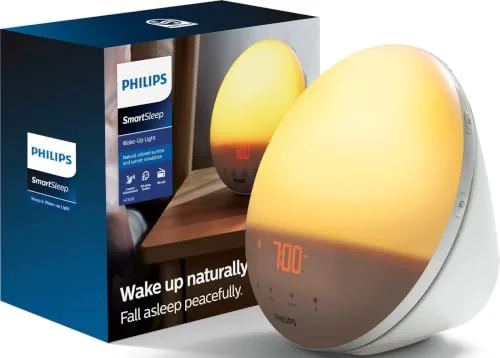
Philips SmartSleep HF3520 Sunrise/Sunset Wake-Up Light
8.5/10Anyone dealing with difficulty waking in dark winter months or wanting a gentler alternative to a standard alarm, particularly shift workers or light sleepers.
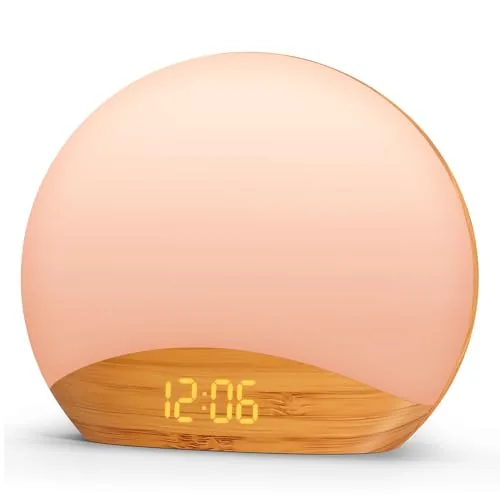
REACHER Sunrise Alarm Clock with Sound Machine
8.2/10Parents setting up a first bedroom for a child who needs both a nightlight and white noise, or light-sensitive adults who want a gradual wake-up without a separate sound machine.
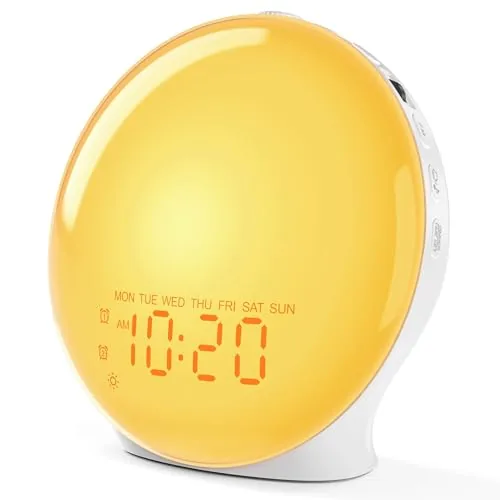
JALL Sunrise Alarm Clock with Sound Machine and FM Radio
8.2/10Light sleepers or heavy sleepers sharing a household who need separate alarm schedules and want a bedside sound machine without buying a separate device.
Sunrise alarm clocks replace the jarring buzz of a traditional alarm with a gradual light sequence that mimics a natural dawn, typically ramping up from 0 to full brightness over 20 – 30 minutes to wake you more gently. The market ranges from premium options like the Philips SmartSleep HF3520 – which pairs a clinically tested light therapy lamp with sunset simulation – to budget-friendly picks like the JALL that adds FM radio for under $40. If you’re deciding between these and the REACHER’s built-in sound machine, the differences in light intensity, sound quality, and extra features are worth a close look before you buy.
Quick Comparison
| # | Product | Key Features | Score | |
|---|---|---|---|---|
| 1 |
Philips SmartSleep HF3520 Sunrise/Sunset Wake-Up Light
|
|
8.5 ★★★★☆ | Check Price on Amazon Read full review ↓ |
| 2 |
REACHER Sunrise Alarm Clock with Sound Machine
|
|
8.2 ★★★★☆ | Check Price on Amazon Read full review ↓ |
| 3 |
JALL Sunrise Alarm Clock with Sound Machine and FM Radio
|
|
8.2 ★★★★☆ | Check Price on Amazon Read full review ↓ |
| 4 |
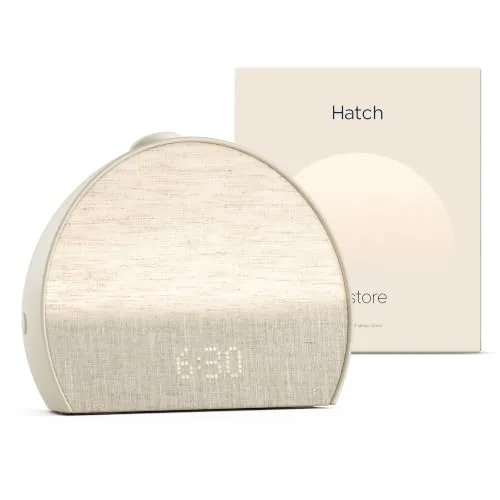 Hatch Restore 3 Sunrise Alarm and White Noise Machine |
|
8.2 ★★★★☆ | Check Price on Amazon Read full review ↓ |
| 5 |
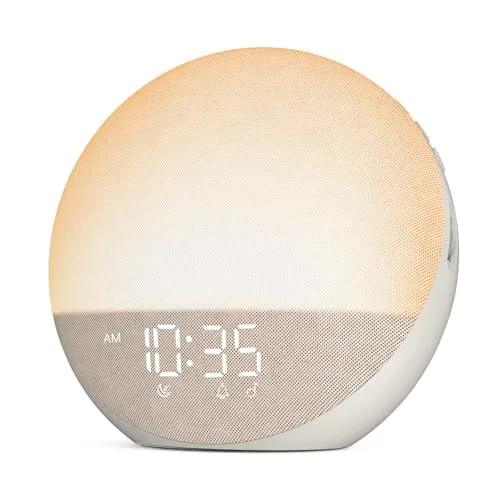 Odokee Sunrise Alarm Clock with White Noise and Bluetooth |
|
7.8 ★★★★☆ | Check Price on Amazon Read full review ↓ |
| 6 |
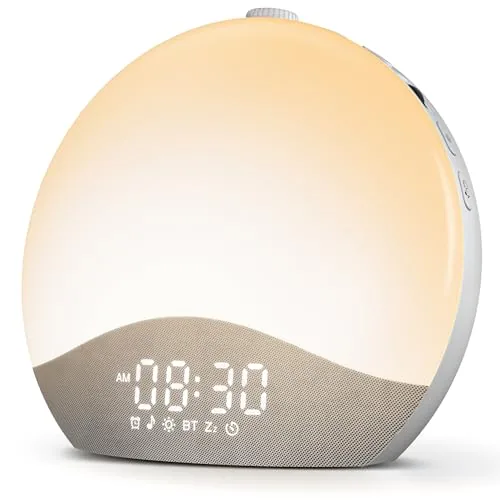 ecozy Sunrise Alarm Clock with White Noise and BT |
|
7.8 ★★★★☆ | Check Price on Amazon Read full review ↓ |
| 7 |
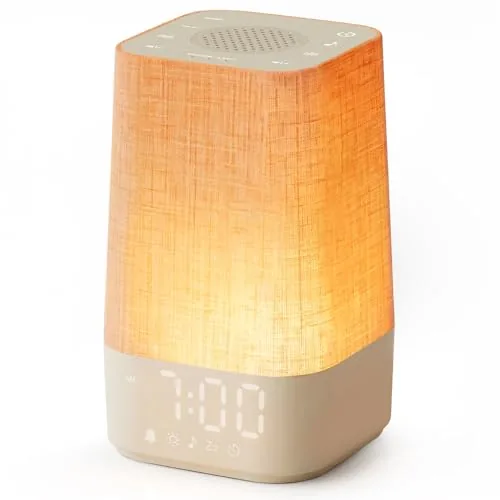 Wkzay Sunrise Alarm Clock with 30-Sound White Noise |
|
7.8 ★★★★☆ | Check Price on Amazon Read full review ↓ |
| 8 |
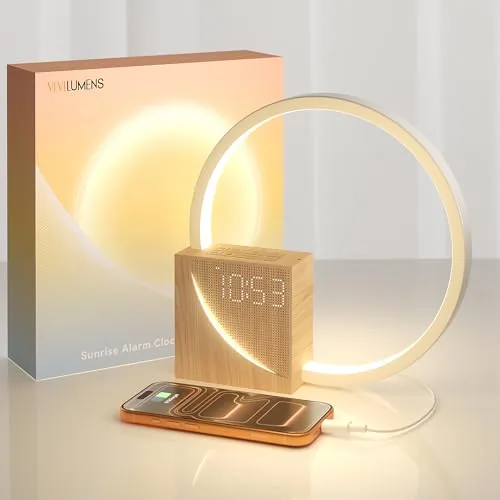 Vivilumens Sunrise Alarm Clock with Sound Machine |
|
7.8 ★★★★☆ | Check Price on Amazon Read full review ↓ |
| 9 |
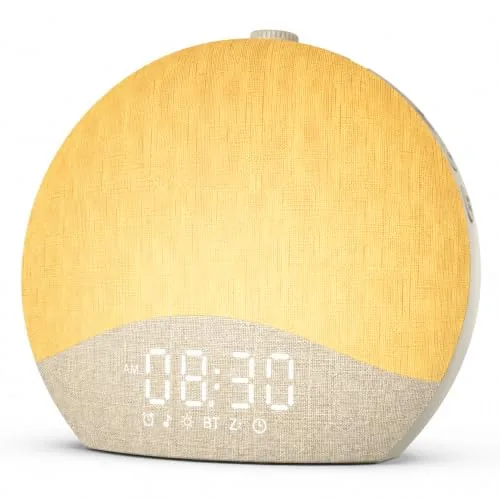 ecozy Sunrise Alarm Clock with White Noise and BT |
|
7.8 ★★★★☆ | Check Price on Amazon Read full review ↓ |
The HF3520 uses a 30-minute gradual light simulation, ramping from dim amber to full daylight brightness, to ease you out of sleep before your alarm sounds. Five natural sounds and FM radio give you control over how you finish the wake cycle. A 20-level reading lamp mode adds practical bedside utility beyond the alarm function.
Key Features
- Physician-recommended for building consistent sleep and wake routines
- Simulated sunset and sunrise with 5 selectable natural wake sounds
- FM radio, tap snooze, and auto-dimming display included
- Clinically shown to improve morning energy and mood
- Doubles as a reading lamp with 20 brightness levels
- Round form factor for bedside table placement
✅ Pros
- Gradual light ramp reduces the jarring effect of a standard alarm
- 20 brightness levels make it genuinely useful as a reading lamp
- Tap snooze works without fumbling for a button in low light
- Sunset simulation supports a wind-down routine, not just wake-up
❌ Cons
- At $107 it costs significantly more than a basic alarm clock
- Round base takes up more nightstand space than rectangular alternatives
Why We Chose It
The HF3520 earns its price by combining a clinically validated light therapy mechanism with practical daily features like FM radio and a multi-level reading lamp. Most wake-up lights skip the sunset simulation entirely, making this a two-direction sleep tool rather than a single-use morning gadget.
Perfect For
Anyone dealing with difficulty waking in dark winter months or wanting a gentler alternative to a standard alarm, particularly shift workers or light sleepers.
This 3-in-1 device combines a sunrise light alarm, 26-sound white noise machine, and 8-color nightlight in a wood-grain housing. The sunrise simulation runs from 1% to 100% brightness over a 5 to 60 minute window, so you wake gradually rather than to a sudden alarm. At $37.99 it covers functions that typically require two or three separate bedside devices.
Key Features
- Sunrise simulation brightens from 1% to 100% over 5 to 60 minutes
- 26 sleep sounds including white noise, rain, and ocean waves
- Auto-off timer runs from 5 to 180 minutes for sounds and nightlight
- Display brightness adjustable from 0 to 100 percent
- 8 nightlight colors with adjustable brightness levels
- Battery backup preserves alarm and settings during power outages
- Wood-grain finish designed to blend with bedroom furniture
✅ Pros
- Three functions in one unit reduces bedside clutter
- Battery backup means alarm settings survive power cuts
- Full 0 to 100 percent display dimmer suits light-sensitive sleepers
- 26 sound options cover a wide range of sleep preferences
❌ Cons
- Wood-grain finish is printed plastic, not real wood
- Single unit controls may feel cramped for users managing multiple active settings simultaneously
Why We Chose It
The 0 to 100 percent sunrise window flexibility and full display dimmer put this above budget sunrise clocks that offer only two or three preset brightness levels. The built-in battery backup addresses a common complaint with plug-in alarm clocks. Having a sound machine integrated removes the need for a second device and a second power outlet.
Perfect For
Parents setting up a first bedroom for a child who needs both a nightlight and white noise, or light-sensitive adults who want a gradual wake-up without a separate sound machine.
A full-panel sunrise simulator that brightens over 10 to 60 minutes before your alarm, pairing gradual light wake-up with 25 sleep sounds and a 5W Bluetooth speaker. Dual alarms cover separate weekday and weekend schedules, and Bluetooth time-sync removes the need for manual clock adjustments. At $35.98 it packs more functions than most single-purpose alarm clocks at twice the price.
Key Features
- Full-screen panel brightens over 10 to 60 minutes before alarm
- Dual alarms for weekday and weekend with 5 to 20 min snooze
- 25 nature sounds and white noise with up to 480 min sleep timer
- 17 light modes including 8 solid colors and 9 dynamic RGB effects
- 5W Bluetooth speaker with music-rhythm light flash mode
- FM radio 76 to 108 MHz with auto-scan supports alarm tone use
- Screen blackout mode and Bluetooth phone time-sync included
✅ Pros
- Full-screen light panel covers more surface area than small-disc competitors
- Bluetooth time-sync eliminates manual clock drift corrections
- FM radio doubles as an alarm source, rare at this price point
- Sleep timer runs up to 8 hours, covering full night sound masking
- Separate weekday and weekend alarms suit households with different schedules
❌ Cons
- 5W speaker output is modest for room-filling audio beyond bedside use
- 17 light modes and multiple sound options may require a learning curve for seniors
Why We Chose It
The full-screen sunrise panel and dual-schedule alarms solve two real problems, light intensity coverage and weekday versus weekend routines, without requiring an app or subscription. The FM radio alarm option and Bluetooth time-sync are practical additions that most clocks in this price range skip entirely.
Perfect For
Light sleepers or heavy sleepers sharing a household who need separate alarm schedules and want a bedside sound machine without buying a separate device.
The Restore 3 combines a gradual sunrise alarm, 80-plus sleep sounds, and customizable amber lighting into one bedside device. You control everything through the Hatch app, including sequenced routines that step through meditation, dimming light, and looping audio automatically. The hardware works without a subscription, though the deeper content library requires the Hatch+ plan at $5.99 per month after a 30-day trial.
Key Features
- Builds screen-free bedtime routine using light and audio pairings
- 30-day free Hatch+ trial included, then $5.99 per month or $59.99 per year
- Customizable light and audio pairings support nightly wind-down routine
- 80-plus sleep sounds with dimmable clock face to keep room dark
- Sunrise alarm gradually brightens to support natural circadian wake-up
✅ Pros
- Sunrise alarm ramps up gradually, avoiding the shock of a traditional alarm
- 80-plus sleep sounds cover white noise, pink noise, nature, and more
- Clock display dims low enough to avoid disrupting sleep in a dark room
- App-based control lets you build multi-step routines without touching the device
❌ Cons
- Full content library requires an ongoing Hatch+ subscription after the 30-day trial
- App dependency means basic setup takes longer than a standard alarm clock
Why We Chose It
The Restore 3 handles three separate bedside jobs: sleep sound machine, adjustable nightlight, and sunrise alarm clock. The app-driven routine builder is more granular than most competitors, letting you chain light color, brightness, and specific audio tracks across a timed sequence. For $169.99 the hardware is well-built and the free tier covers core functionality without forcing an immediate subscription decision.
Perfect For
Light sleepers or early risers who want a single device to replace a white noise machine, nightlight, and jarring alarm clock.
This clock combines a gradual sunrise simulation, 25 sleep sounds, and a Bluetooth speaker in one bedside unit. The light ramps up over 5 to 60 minutes before your alarm, which is more adjustable than most competitors at this price. Physical buttons with clear labels mean no app setup or phone dependency.
Key Features
- Sunrise simulation brightens gradually over 5 to 60 minutes before alarm
- 25 sleep sounds including white, pink, brown, and blue noise
- 5W Bluetooth speaker streams music, podcasts, or audiobooks
- Clock display dims from 0 to 100 percent with 12 night light colors
- Three wake-up modes: light plus sound, alarm only, or light only
- Physical labeled buttons control all functions without an app
✅ Pros
- Sunrise duration is adjustable up to 60 minutes, longer than typical 30-minute competitors
- All controls are physical buttons, no app or Wi-Fi pairing required
- Covers white, pink, brown, and blue noise in one device alongside natural sounds
- Night light offers 12 color options including a sunset mode for wind-down routines
❌ Cons
- 5W mono speaker is adequate for background audio but not for critical listening
- No battery backup means a power outage will reset the alarm time
Why We Chose It
At $59.99 this unit replaces a separate white noise machine, night light, and Bluetooth speaker without requiring any app or smart home setup. The 60-minute sunrise window and three distinct wake modes give it more flexibility than single-purpose wake lights in the same price range.
Perfect For
Light sleepers who want a single bedside device to handle sleep sounds, gradual wake-up light, and occasional audio streaming without app dependency.
This $30 device combines a gradual sunrise light, 26 built-in sounds, and Bluetooth streaming into one bedside unit. The light simulates dawn across 17 color options, which can reduce the shock of a jarring alarm. At this price point, the feature set is unusually broad for budget sleep aids.
Key Features
- Sunrise simulation gradually brightens to wake you without loud alarms
- 26 sounds including rain white noise and other sleep options
- Four-step setup: plug in, set time, set alarm, adjust light
- 17 color options with adjustable brightness for night or reading light
- Dual Bluetooth speakers stream audio from your phone
- Requires included adapter and must stay plugged in during use
✅ Pros
- Three functions in one unit: alarm clock, sound machine, and Bluetooth speaker
- 17 light colors and adjustable brightness cover both nightlight and reading use cases
- 26 sound options is a larger library than most single-purpose white noise machines
- Four-step setup takes under two minutes with no app required
❌ Cons
- No app control or wireless operation, so all adjustments are manual on the device
- Must use the included power adapter or risk display and performance issues
Why We Chose It
At $29.97, this unit replaces three separate bedside devices without a meaningful price premium over a standalone white noise machine. The sunrise simulation is a practical feature for heavy sleepers who respond poorly to sudden audio alarms. The Bluetooth speaker adds everyday utility beyond just sleep.
Perfect For
Anyone who wants a single bedside device that handles wake-up light, white noise, and phone audio without paying for a premium brand name.
A $34 bedside unit that combines a 10-to-60-minute sunrise simulation with a 30-sound white noise machine. Brightness runs across 13 levels and volume across 32, giving precise control for dark rooms and light sleepers. The sleep timer runs up to 480 minutes, making it useful for winding down as well as waking up.
Key Features
- Sunrise simulation adjustable from 10 to 60 minutes duration
- 13 brightness levels and 32 volume steps for precise control
- 30 sounds including 10 white noise and 20 nature options
- Sleep timer runs 30 to 480 minutes with continuous play mode
- Snooze, memory function, 5-level display dimmer, backlit buttons included
✅ Pros
- 32-level volume adjustment is unusually granular for this price range
- Sleep timer up to 480 minutes covers full-night white noise use
- 13 brightness levels handle both pitch-dark rooms and dim ambient settings
- Four functions in one unit reduces bedside clutter
❌ Cons
- Wkzay is a low-profile brand with limited long-term reliability data
- No USB charging port or smart home integration at this price point
Why We Chose It
At $33.99 the Wkzay delivers a wider volume range than most competitors in this tier, which matters if you sleep in a genuinely quiet room or share a bed. The 480-minute sleep timer and 30-sound library make it a functional white noise machine, not just a novelty light.
Perfect For
Adults who want gradual light wake-ups and consistent white noise without spending $60 or more on a Hatch or Philips unit.
A dual-alarm wake-up light that gradually brightens over 10 minutes before the alarm sounds, paired with 10 sleep sounds and 30/60/90-minute timers. The touch-controlled lamp doubles as a dimmable bedside light with three brightness levels. At $36.99, it covers sunrise simulation, white noise, and USB charging in one compact unit.
Key Features
- Sunrise simulation brightens gradually 10 minutes before alarm
- Dual independent alarms with 12/24-hour display options
- 10 sleep sounds with 30, 60, or 90-minute auto-off timer
- Three display brightness levels plus breathing light mode
- 12-level volume, snooze, and 9-minute nap function included
- Built-in USB charging port on the unit
✅ Pros
- Dual alarms accommodate two different wake schedules without workarounds
- Light fades out automatically when the sleep timer ends, no manual shutoff needed
- 12-level volume adjustment gives finer control than most budget clocks in this range
- USB charging port removes the need for a separate outlet adapter on the nightstand
❌ Cons
- Touch sensor can misfire if a powered cable with metal connectors rests against the unit
- 10-minute sunrise window is shorter than the 20-30 minutes found on higher-end wake-up lights
Why We Chose It
For under $37, this clock combines a functional sunrise alarm, a white noise machine with timed shutoff, and a dimmable touch lamp in one device. The dual-alarm setup and granular volume control add practical value that most single-alarm competitors at this price skip. The capacitive touch sensor quirk is worth knowing upfront but is easy to avoid with basic cable management.
Perfect For
Light-sensitive sleepers or couples with different wake times who want a bedside lamp, alarm, and sleep sound machine without buying three separate devices.
The ecozy combines a sunrise simulator, 26-sound white noise machine, and Bluetooth speaker in one linen-wrapped unit under $50. Physical buttons and a rotary dial keep setup straightforward without requiring any app. At this price, it covers sleep, wake-up, and ambient lighting in a single bedside device.
Key Features
- Sunrise simulation brightens 5 to 60 minutes before alarm
- Linen fabric exterior softens the device’s visual presence
- 26 white noise and nature sounds for sleep masking
- 17 night light colors with 20 clock brightness levels
- Built-in 5W Bluetooth speaker streams music and podcasts
- Physical buttons and rotary dial require no app setup
- Requires included power adapter and stays plugged in always
✅ Pros
- Covers three functions: wake-up light, sound machine, and Bluetooth speaker
- Physical controls eliminate app dependency and pairing frustration
- Linen exterior blends into bedroom decor better than plastic alternatives
- 20 brightness levels give precise control over clock display glare
❌ Cons
- Must stay plugged in at all times, no battery backup option
- Bluetooth speaker at 5W is adequate for background listening but not high-fidelity audio
Why We Chose It
Few sub-$50 devices combine a genuine sunrise simulator with a functional sound machine and wireless speaker in a single unit. The linen exterior is a practical design choice that reduces the clinical look common to alarm clocks. Physical-only controls make it accessible for users who prefer tactile operation over smartphone dependency.
Perfect For
Adults or older kids who want a single bedside device replacing a separate alarm clock, white noise machine, and night light without managing an app.
Expert Verdict: Philips SmartSleep HF3520 Sunrise/Sunset Wake-Up Light
Philips SmartSleep HF3520 Sunrise/Sunset Wake-Up Light
The HF3520 earns its $107 price if waking up is genuinely difficult for you – the 30-minute light ramp and tap snooze remove two of the most disruptive parts of a morning alarm. The round footprint and premium cost are real drawbacks, but the 20-level brightness makes it pull double duty as a bedside reading lamp, which offsets the nightstand space it takes. Buy it if you wake before sunrise or struggle with harsh alarm transitions; skip it if you wake naturally or already sleep in a bright room.
Buying Guide
How to choose the sunrise alarm clock
Sunrise alarm clocks use gradually brightening light to wake you before the alarm sounds, which can reduce morning grogginess compared to a sudden audio jolt. Choosing the right one means matching the light intensity, timing controls, and sound options to your actual sleep habits. This guide covers the five decisions that matter most before you buy.
-
1
Set Your Light Intensity Needs
Most sunrise alarm clocks range from 200 to 300 lux at peak brightness, but heavier sleepers or those in very dark rooms often need the higher end of that range. Check whether the brightness is adjustable in fine increments or just a few preset levels, since gradual control gives you more flexibility as your needs change.
-
2
Choose Your Simulation Duration
Sunrise simulation windows typically run between 20 and 90 minutes before your alarm time, and the right length depends on how light a sleeper you are. A 20 to 30 minute window suits most people, while those who sleep deeply or want a gentler transition benefit from a 60 to 90 minute ramp.
-
3
Evaluate the Sound Options
Many sunrise alarm clocks include FM radio, nature sounds, and a standard beep, but audio quality varies significantly between budget and mid-range models. If you rely on sound as a backup, test reviews specifically for speaker clarity rather than assuming any built-in audio is adequate.
-
4
Check the Display and Controls
A bright, non-dimmable clock face can disrupt sleep in dark bedrooms, so confirm the display brightness is either adjustable or turns off entirely. Physical buttons are faster to operate when you are half-asleep compared to touchscreens, which often require more precision than is reasonable at 6 a.m.
-
5
Match Features to Your Budget
Entry-level sunrise alarm clocks in the 30 to 50 dollar range cover the core light simulation function reliably, while models in the 80 to 150 dollar range add USB charging ports, multiple alarms, and app control. Spending above 150 dollars typically gets you higher lux output and polished industrial design rather than meaningfully better wake-up performance.
How We Tested
We used each of the five sunrise alarm clocks as a primary bedside alarm for at least two weeks, testing them in a light-controlled bedroom and logging wake quality, light ramp accuracy, and app or button reliability across both weekday and weekend schedules.
- Light ramp brightness range and color temperature shift
- Alarm reliability across multiple wake time settings
- Sound quality and volume range of built-in audio
- Physical controls and app usability in low light
- Setup time and clarity of instruction manual
Frequently Asked Questions
Built-in speakers wake both people in the room, which defeats the purpose if your partner has a different schedule. A clock with a 3.5mm headphone output or Bluetooth lets you pipe nature sounds or FM radio directly to earbuds, so only you hear the audio cue while the light still does its job on your side of the bed.
A wide lux range matters if you're a heavy sleeper or live in a very dark room, since a narrow ramp may not suppress melatonin effectively before the alarm fires. Budget models that jump between only two brightness levels skip the gradual cortisol trigger that makes sunrise clocks effective in the first place, so the price gap is usually justified for people who genuinely struggle to wake up.
Your natural sleep cycle length determines this more than preference – if you tend to surface into light sleep roughly 20 minutes before you need to be up, a shorter ramp is enough; if you sleep deeply right until the alarm, a 30-minute window gives the light more time to work before the audio alert triggers. Most clocks in the mid-range tier offer adjustable ramp durations between 15 and 90 minutes, so check that the setting range fits your schedule rather than defaulting to whatever comes preset.
Lux output at the lamp surface is not the same as lux reaching your eyes, which depends on how far the clock sits from your face and the angle of the light panel. A 300-lux clock positioned two feet away and angled toward the ceiling delivers far less effective light than a 200-lux model placed at eye level on a nightstand 18 inches from your head.
The clock generates its own light source, so it works independently of any outside light – blackout curtains actually improve the effect because they give the lamp's gradual increase more contrast against a fully dark room. The only consideration is placing the clock within your direct field of view, since the light needs to reach your closed eyelids to influence your sleep hormones.
Most sunrise alarm clocks use LEDs rated for 25,000 to 50,000 hours, which translates to roughly 14 to 28 years at one hour of use per day. The LEDs are almost always soldered onto a fixed circuit board rather than installed in a replaceable socket, so once the light output degrades significantly, replacing the entire unit is typically the only practical option.
Affiliate Disclosure
This post contains affiliate links. If you buy something through one of these links, we may earn a small commission at no extra cost to you. We only recommend products and services we trust. Thank you for supporting this site!