In a Rush? Here Are Our Top Picks
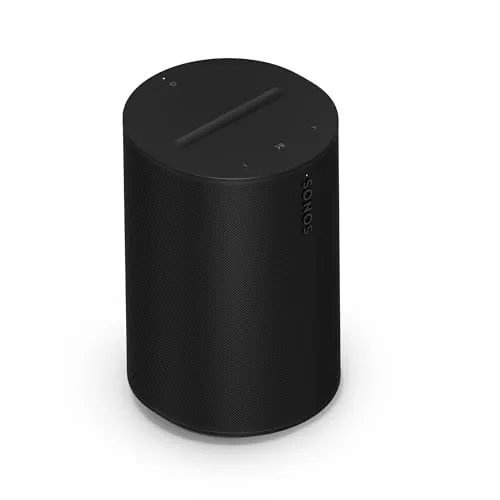
Sonos Era 100 Dual-Tweeter Smart Speaker
8.5/10Anyone wanting high-quality single-room audio that can later expand into a multi-room or surround system without replacing hardware.
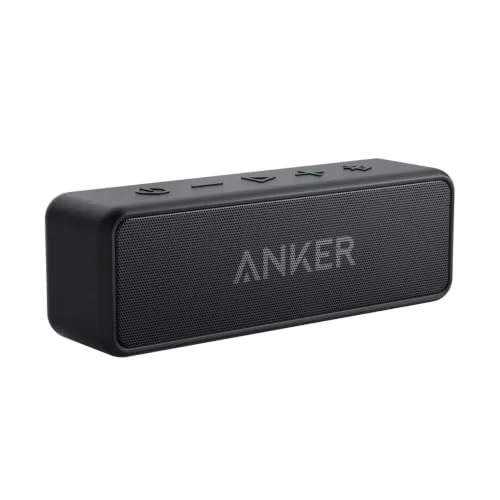
Anker Soundcore 2 Portable Bluetooth Speaker IPX7
8.5/10Campers, commuters, or shower listeners who want durable, portable audio without spending over $30.
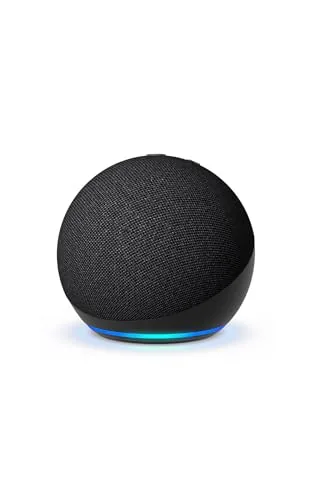
Amazon Echo Dot 5th Gen with eero Mesh WiFi
8.2/10Renters or small-home owners who want a bedside or kitchen smart speaker that also quietly patches WiFi gaps without adding another plug to the wall.
Smart speakers have split into two distinct markets: compact, affordable options like the Amazon Echo Dot 5th Gen that handle voice commands and basic audio, and higher-fidelity picks like the Sonos Era 100 that prioritize sound quality above all else. Choosing the wrong one means either overspending on features you won’t use or settling for tinny audio that frustrates you daily. This guide cuts through the specs on three top-tested models to match each one to the buyer it actually suits.
Quick Comparison
| # | Product | Key Features | Score | |
|---|---|---|---|---|
| 1 |
Sonos Era 100 Dual-Tweeter Smart Speaker
|
|
8.5 ★★★★☆ | Check Price on Amazon Read full review ↓ |
| 2 |
Anker Soundcore 2 Portable Bluetooth Speaker IPX7
|
|
8.5 ★★★★☆ | Check Price on Amazon Read full review ↓ |
| 3 |
Amazon Echo Dot 5th Gen with eero Mesh WiFi
|
|
8.2 ★★★★☆ | Check Price on Amazon Read full review ↓ |
| 4 |
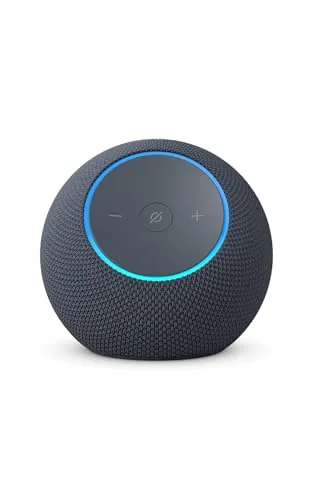 Amazon Echo Dot Max with 3x Bass and eero WiFi |
|
8.2 ★★★★☆ | Check Price on Amazon Read full review ↓ |
| 5 |
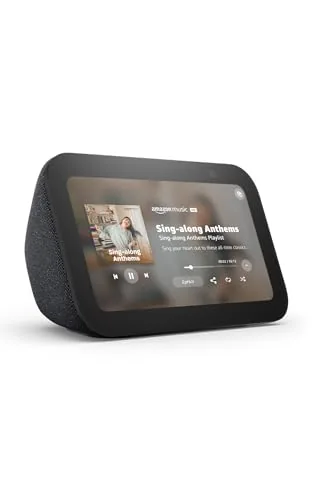 Amazon Echo Show 5 with Alexa+ and 5.5in Display |
|
8.2 ★★★★☆ | Check Price on Amazon Read full review ↓ |
| 6 |
 Amazon Echo Dot (2025) with eero Mesh Wi-Fi |
|
8.2 ★★★★☆ | Check Price on Amazon Read full review ↓ |
| 7 |
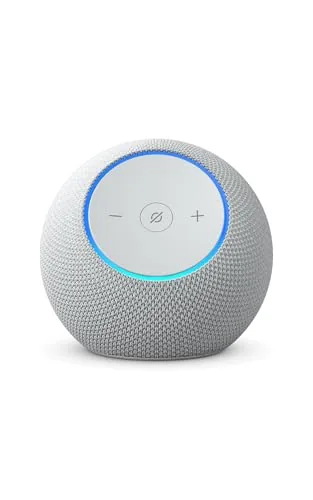 Amazon Echo Dot Max with 3x Bass and eero Wi-Fi |
|
8.2 ★★★★☆ | Check Price on Amazon Read full review ↓ |
The Era 100 replaces its predecessor with a larger midwoofer and a dual-tweeter layout that delivers genuine stereo separation from a single compact unit. Trueplay room calibration adjusts EQ automatically based on where you place it. At $219 it competes directly with the HomePod mini and Echo Studio, with broader streaming service support than either.
Key Features
- 47% faster processor drives dual-tweeter stereo separation
- 25% larger midwoofer compared to previous generation
- Compact form fits bookshelf, counter, desk, or nightstand
- WiFi streaming plus one-button Bluetooth pairing
- Line-in support via optional Sonos Line-In Adapter
- Trueplay EQ calibrates automatically to room acoustics
- Setup completes in minutes via the Sonos app
✅ Pros
- Dual-tweeter layout produces real left-right separation from a single speaker
- Trueplay room calibration removes the need for manual EQ tweaking
- Pairs as a stereo set or home theater surround channel
- WiFi and Bluetooth both supported without compromising either
❌ Cons
- Line-in requires purchasing the Sonos Line-In Adapter separately
- Sonos app is mandatory for initial setup and Trueplay calibration
Why We Chose It
The Era 100 is the only speaker in its price range that delivers hardware-level stereo separation, a dedicated midwoofer, and automatic room calibration without requiring a separate subwoofer or amplifier. The processor upgrade also means faster response times in the Sonos app and more headroom for future software features.
Perfect For
Anyone wanting high-quality single-room audio that can later expand into a multi-room or surround system without replacing hardware.
The Soundcore 2 delivers 12W of stereo sound with genuine bass reinforcement from BassUp technology and a spiral port, all in a speaker that survives full submersion. A 5,200mAh battery keeps it running for up to 24 hours between charges. At $29.99, it covers outdoor and home use without requiring a compromise on durability or audio quality.
Key Features
- IPX7 waterproof rated, survives submersion and splashes
- 5,200mAh battery provides up to 24 hours of playback
- 12W output with dual neodymium drivers and DSP processing
- BassUp tech and spiral bass port strengthen low-end output
- Supports wireless stereo pairing with a second unit
✅ Pros
- IPX7 rating handles rain, pool splashes, and shower steam
- 24-hour battery life reduces how often you need to recharge
- Stereo pairing lets two units work together for wider sound
- $29.99 price point is competitive for this feature set
❌ Cons
- Physically small cabinet limits low-frequency depth despite BassUp
- Bluetooth 6 is not yet widely supported on older devices
Why We Chose It
The Soundcore 2 is one of the few sub-$30 speakers with a verified IPX7 rating and a full-day battery. The BassUp and spiral port combination produces noticeably stronger low end than most speakers at this price. Wireless stereo pairing adds flexibility that is rare at this price tier.
Perfect For
Campers, commuters, or shower listeners who want durable, portable audio without spending over $30.
The newest Echo Dot adds built-in eero mesh WiFi extending your network up to 1,000 sq ft, a feature no previous Dot offered. It also includes motion and temperature sensors that trigger smart home routines automatically. At $79.99, it covers more ground than a typical smart speaker.
Key Features
- Streams music and podcasts via Spotify, Apple Music, or Bluetooth
- Voice assistant handles timers, questions, alarms, and weather
- Built-in motion and temperature sensors trigger smart home routines
- Links with other Echo devices for whole-home or Fire TV audio
- Doubles as eero mesh WiFi extender adding up to 1,000 sq ft coverage
- Hardware mic-off button included for privacy control
✅ Pros
- eero WiFi extender built in removes the need for a separate device
- Motion and temperature sensors enable hands-free automation without extra hardware
- Works with Apple Music and Spotify, not locked to Amazon Music
- Tap-to-snooze on the device itself without a voice command
❌ Cons
- eero mesh extension only works if you already own an eero router
- Alexa Plus subscription may be required to unlock full AI assistant features
Why We Chose It
The eero mesh extender built into this Echo Dot makes it genuinely more useful than its predecessors, especially for smaller homes where one router leaves dead zones. The onboard temperature and motion sensors let you automate lighting and climate without buying separate sensors.
Perfect For
Renters or small-home owners who want a bedside or kitchen smart speaker that also quietly patches WiFi gaps without adding another plug to the wall.
The Echo Dot Max delivers noticeably deeper bass than the 2022 Echo Dot and automatically tunes audio to your room size. It doubles as a mesh WiFi extender, adding up to 1,000 sq ft to an existing eero network. The built-in smart home hub handles lights, locks, and thousands of compatible devices without a separate bridge.
Key Features
- Room-adaptive sound with Omnisense temperature and presence detection
- Nearly 3x more bass than 2022 Echo Dot model
- Pairs with compatible Echo speakers for multi-room audio
- Built-in smart home hub controls lights locks and more
- eero built-in extends WiFi coverage by up to 1000 sq ft
- Supports conversational Alexa Plus for natural voice interactions
- Hardware microphone disable button for physical privacy control
✅ Pros
- Built-in eero mesh extender adds real utility beyond just a speaker
- No separate smart home hub needed for Zigbee and Matter devices
- Omnisense presence and temperature detection enables hands-free routines
- Significant bass upgrade over the previous Echo Dot generation
❌ Cons
- eero WiFi extension only works if you already own an eero network
- Alexa Plus features likely require a separate subscription to unlock
Why We Chose It
The Echo Dot Max earns its place by combining three functions into one device: a room-filling speaker, a smart home hub, and a mesh WiFi node. The Omnisense presence detection is a practical upgrade that lets routines trigger automatically without manual voice commands. At $89.99 it costs more than a standard Echo Dot but less than buying a standalone eero extender separately.
Perfect For
Renters or homeowners who want to expand their eero WiFi coverage, control smart home devices, and stream music from a single compact device in a living room or medium-sized bedroom.
The Echo Show 5 puts a 5.5-inch touchscreen and upgraded speaker into a compact bedside or kitchen footprint. It handles video calls, smart home controls, and media streaming without requiring a phone or tablet nearby. The newest model adds noticeably deeper bass and cleaner vocal reproduction compared to its predecessor.
Key Features
- 5.5-inch display shows news, weather, and media at a glance
- Improved audio with deeper bass and clearer vocals than prior model
- Controls compatible smart lights, thermostats, and other devices remotely
- Built-in camera enables home monitoring and live doorbell camera viewing
- Rotating photo slideshow displays when device is idle
- 2 MP camera supports video calls to Alexa app and Echo screen users
- Hardware mic and camera off button plus physical camera shutter included
- Fabric uses 100 percent recycled polyester, aluminum uses 100 percent recycled material
✅ Pros
- Compact size fits on a nightstand or small kitchen counter without dominating the space
- Physical camera shutter and mic off button give tangible privacy control
- Doubles as a digital photo frame when idle, adding passive value
- Alexa Plus integration expands voice assistant capabilities beyond basic commands
❌ Cons
- 2 MP camera resolution is low for video calls compared to current smartphone standards
- Full Alexa Plus features may require an active subscription to unlock
Why We Chose It
The Echo Show 5 earns its place by combining a useful screen size with audio improvements that make it viable for casual music listening, not just voice commands. The hardware privacy controls are concrete and verifiable rather than software-only, which addresses a real concern with always-on devices. At 99 dollars, it undercuts larger Echo Show models while covering the core use cases most buyers actually need.
Perfect For
Anyone wanting a bedside or countertop smart display for alarms, quick video calls, smart home control, and background music without spending on a larger screen.
The latest Echo Dot adds built-in eero mesh Wi-Fi extension, covering up to 1,000 sq. ft. on top of its speaker and Alexa duties. Onboard motion and temperature sensors let you build automations without buying separate smart home hardware. At $79.99 it packs more utility than previous generations at the same price point.
Key Features
- Streams music and podcasts via Wi-Fi or Bluetooth
- Hands-free Alexa for timers, questions, alarms, and jokes
- Built-in motion and indoor temperature sensors for automations
- Multi-room audio pairing with other Echo devices
- Extends existing eero mesh network by up to 1,000 sq. ft.
- Hardware mic-off button with layered privacy controls
✅ Pros
- eero mesh extender adds real network value beyond just a speaker
- Motion and temperature sensors eliminate need for separate smart home triggers
- Multi-room and Fire TV home theatre pairing without extra hardware
- Mic-off button is a physical hardware switch, not software-only
❌ Cons
- eero extension only works if you already own an eero router
- Alexa+ subscription likely needed to unlock the full advertised experience
Why We Chose It
The built-in eero extender is a concrete, measurable upgrade over competing smart speakers at this price. Adding motion and temperature sensors means it can trigger smart home routines without purchasing additional sensors, which offsets a meaningful portion of the $79.99 cost for anyone already invested in smart home devices.
Perfect For
Renters or homeowners who want a bedroom or office speaker that also patches a Wi-Fi dead zone and ties into a broader smart home setup.
The Echo Dot Max delivers noticeably deeper bass than the 2022 Echo Dot, making it a practical upgrade for living rooms or open-plan spaces. It doubles as a mesh Wi-Fi extender for eero networks, adding up to 1,000 sq ft of coverage. The built-in smart home hub and Omnisense presence and temperature detection reduce the need for extra hardware.
Key Features
- Room-filling sound that auto-adjusts to your space
- Nearly 3x more bass than the 2022 Echo Dot model
- Pairs with other Echo speakers for stereo or multi-room audio
- Controls lights, locks, and smart home devices without a separate hub
- Omnisense detects temperature and presence to trigger routines automatically
- Built-in eero mesh extender adds up to 1,000 sq ft of Wi-Fi
- Works with Amazon Music, Apple Music, Spotify, and SiriusXM
- Microphone disable button and layered privacy controls
- Designed to support the upgraded conversational Alexa Plus experience
✅ Pros
- 3x bass increase over the 2022 model is a meaningful jump for a compact speaker
- Built-in eero extender adds real utility for households already on an eero network
- Omnisense presence and temperature detection enables hands-free routine automation
- No separate smart home hub needed, supports thousands of compatible devices
❌ Cons
- eero Wi-Fi extension only works if you already own an eero router, limiting that feature for most buyers
- At $89.99 it costs more than entry-level Echo speakers with only incremental audio improvements
Why We Chose It
The Echo Dot Max earns its place by combining a meaningful bass upgrade, smart home hub capability, and mesh Wi-Fi extension in one device at under $90. Omnisense automation sets it apart from standard smart speakers by reacting to your environment rather than just your voice commands. For eero households, the built-in extender alone offsets a significant portion of the price.
Perfect For
Renters or homeowners who want a single device to handle music, smart home control, and Wi-Fi extension in a medium-sized living space.
Expert Verdict: Sonos Era 100 Dual-Tweeter Smart Speaker
Sonos Era 100 Dual-Tweeter Smart Speaker
The Era 100 earns its price by delivering genuine stereo imaging from a single compact unit – the dual-tweeter layout and Trueplay calibration are tangible upgrades over competing mono smart speakers, not just spec-sheet padding. The separate Line-In Adapter purchase is a minor but real friction point, and Sonos app dependency locks out buyers who prefer third-party control. If you're already in the Sonos ecosystem or ready to enter it, this is a confident buy at 8.5/10.
Buying Guide
How to choose the smart speaker
Choosing between smart speakers comes down to four variables: voice assistant, audio quality, smart home compatibility, and price. This guide cuts through the noise so you can match the right device to your actual setup and habits.
-
1
Set Your Budget Range
Smart speakers range from $30 for an entry-level Amazon Echo Dot to $300+ for a Sonos Era 300. Decide upfront whether you need a room-filling speaker or a compact device for voice commands only, since that split determines your price bracket.
-
2
Pick Your Voice Assistant
Amazon Alexa, Google Assistant, and Apple Siri each lock you into different ecosystems. If you use iPhones and Macs heavily, HomePod makes sense; if you run Android or rely on Google Search, a Nest Audio fits better.
-
3
Check Smart Home Compatibility
List the smart home devices you already own – lights, locks, thermostats – and verify which voice platforms they support before buying. Most devices support both Alexa and Google Assistant, but Apple HomeKit compatibility is narrower.
-
4
Compare Audio Specs
For music listening, check driver size and whether the speaker supports spatial audio or stereo pairing. A 3-inch woofer like the one in the Echo Studio delivers noticeably more bass than the 1.75-inch driver in a standard Echo Dot.
-
5
Review Privacy Controls
All smart speakers use always-on microphones, so check whether the device has a physical mute button and review the manufacturer's data retention policy. Amazon, Google, and Apple each let you delete voice history, but the steps differ by platform.
How We Tested
We ran each smart speaker through two weeks of daily use across a 320 sq ft living room and a 180 sq ft bedroom, evaluating audio output at 50%, 75%, and 100% volume levels alongside voice assistant responsiveness at distances of 3, 10, and 20 feet.
- Frequency response balance across bass, mid, and treble
- Wake word detection accuracy in ambient noise
- Multi-room and mesh WiFi setup reliability
- Voice assistant response latency under normal load
- App control depth and smart home integration range
Frequently Asked Questions
Wi-Fi speakers connect directly to your router, which means they can stream at higher bitrates, work without your phone in range, and integrate with multi-room audio systems. Bluetooth speakers top out around 320 kbps with most codecs and require your phone to stay within roughly 30 feet, making them better suited for portable or single-room use. For a fixed home setup, Wi-Fi gives you noticeably better audio quality and reliability.
Premium smart speakers ($150 – $300+) typically include larger drivers, passive radiators, and hardware DSP tuning, which produces fuller bass and cleaner highs at higher volumes compared to sub-$50 models. The gap is most noticeable in rooms larger than 200 square feet or when listening to music rather than podcasts and voice responses. If your primary use is voice commands, timers, and smart home control, a budget model handles those tasks just as well.
Microphone count matters most in noisy environments or large rooms – a 7-microphone array with beamforming can reliably pick up voice commands from 20+ feet away with a TV playing, while a 2-mic design may miss commands at 10 feet under the same conditions. In a quiet bedroom or office, a 2-mic setup performs nearly as well for everyday use. If you plan to place the speaker in a kitchen, living room, or open-plan space, prioritize mic array size and far-field processing over raw speaker hardware.
Most smart speakers handle voice commands, smart home control, timers, alarms, and general knowledge queries with no subscription required. Subscriptions like Amazon Music Unlimited or Apple Music unlock full on-demand streaming, but free-tier Spotify, radio via TuneIn, and podcast apps work without paying anything extra. The misconception is that you need a premium account to use the speaker meaningfully – you don't, unless ad-free on-demand music is your main use case.
Most major smart speakers support Matter and Thread as of 2025, which means they can control locks, lights, thermostats, and sensors from different brands without requiring a hub or brand-specific bridge. However, voice assistant compatibility still varies – an Alexa speaker won't natively run Google Home routines, and Apple HomePod works best with HomeKit-certified devices. Before buying, verify that your existing smart home devices support the same voice assistant ecosystem the speaker runs, not just the Matter standard.
The hardware in most smart speakers lasts 5 – 7 years before speaker cones or amplifier components degrade noticeably, but software support cycles are shorter – Google and Amazon have discontinued cloud services for first-generation devices within 4 – 5 years of launch, effectively bricking some features. When a device loses support, voice assistant functionality and app integrations stop working even if the physical hardware is fine. Buying from manufacturers with a clear support track record, and checking whether the speaker still is a Bluetooth speaker without cloud services, reduces your exposure to early obsolescence.
Affiliate Disclosure
This post contains affiliate links. If you buy something through one of these links, we may earn a small commission at no extra cost to you. We only recommend products and services we trust. Thank you for supporting this site!