In a Rush? Here Are Our Top Picks
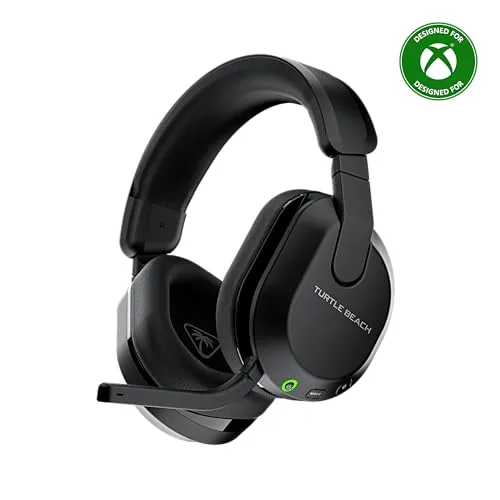
Turtle Beach Stealth 600 Gen 3 Multiplatform Wireless
8.2/10Gamers who own multiple consoles or frequently switch between console and PC and want one headset that covers all of them without compromise.
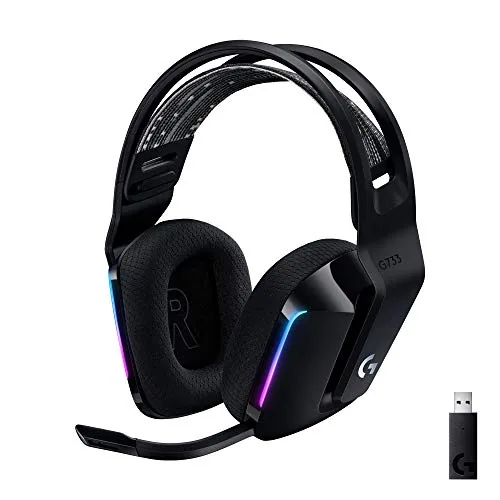
Logitech G733 Lightspeed Wireless Headset – Black
8.2/10PC and PS5 gamers who stream or play for four or more hours daily and want wireless freedom without sacrificing mic quality.
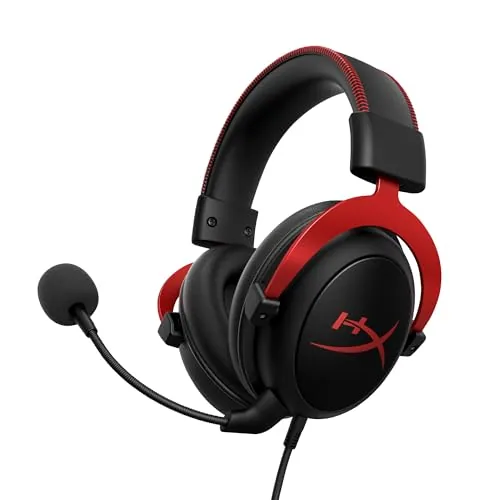
HyperX Cloud II Gaming Headset with 7.1 Surround
8.2/10PC gamers on a tight budget who want genuine directional audio without buying a separate sound card.
Finding a gaming headset that balances audio clarity, comfort during long sessions, and a price you can justify is harder than it should be – most options either cut corners on build quality or charge premium prices for features casual players will never use. After testing dozens of models, three headsets consistently earn recommendations across different budgets and playstyles: the Turtle Beach Stealth 600 Gen 3 Multiplatform Wireless, the Logitech G733 Lightspeed Wireless, and the HyperX Cloud II with 7.1 Surround. This breakdown covers what each one actually does well, where each falls short, and which type of player is best served by each.
Quick Comparison
| # | Product | Key Features | Score | |
|---|---|---|---|---|
| 1 |
Turtle Beach Stealth 600 Gen 3 Multiplatform Wireless
|
|
8.2 ★★★★☆ | Check Price on Amazon Read full review ↓ |
| 2 |
Logitech G733 Lightspeed Wireless Headset – Black
|
|
8.2 ★★★★☆ | Check Price on Amazon Read full review ↓ |
| 3 |
HyperX Cloud II Gaming Headset with 7.1 Surround
|
|
8.2 ★★★★☆ | Check Price on Amazon Read full review ↓ |
| 4 |
 Razer BlackShark V2 X 50mm Gaming Headset 3.5mm |
|
7.8 ★★★★☆ | Check Price on Amazon Read full review ↓ |
| 5 |
 Razer BlackShark V2 X Wired Gaming Headset 3.5mm |
|
7.8 ★★★★☆ | Check Price on Amazon Read full review ↓ |
| 6 |
 Ozeino OW810 Wireless Gaming Headset 2.4GHz |
|
7.5 ★★★★☆ | Check Price on Amazon Read full review ↓ |
| 7 |
 BENGOO G9000 Stereo Gaming Headset with LED |
|
7.2 ★★★★☆ | Check Price on Amazon Read full review ↓ |
| 8 |
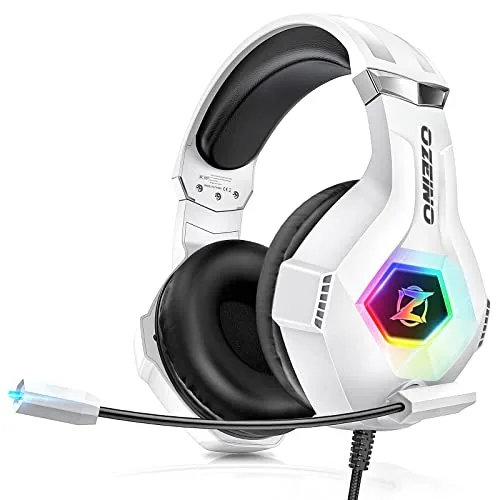 Ozeino Gaming Headset 7.1 Surround White LED |
|
7.2 ★★★★☆ | Check Price on Amazon Read full review ↓ |
| 9 |
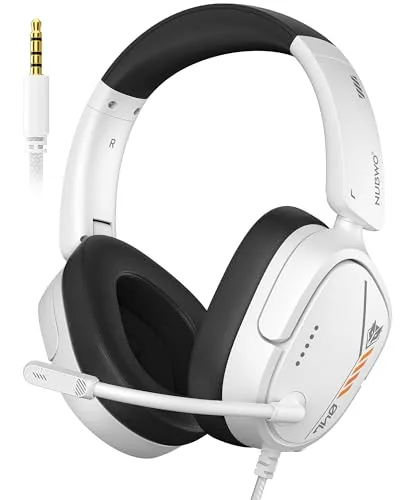 NUBWO HG04L Lightweight Gaming Headset 3.5mm |
|
7.2 ★★★★☆ | Check Price on Amazon Read full review ↓ |
The Stealth 600 covers Xbox, PlayStation, PC, and mobile from a single headset using both 2.4GHz wireless and Bluetooth 5.4 simultaneously. An 80-hour battery and flip-to-mute mic make it practical for long sessions without constant recharging or fumbling for mute buttons. At its price point, the combination of platform flexibility and battery life is genuinely hard to match.
Key Features
- Memory foam ear cushions with cutouts for glasses wearers
- 50mm Nanoclear drivers with spatial audio support
- Mappable wheel and mode button for user-assigned controls
- QuickSwitch button toggles between 2.4GHz wireless and Bluetooth
- Flip-to-mute mic with AI noise reduction
- Lay-flat hinges with adjustable headband
- Built-in EQ presets plus Superhuman Hearing mode
- 2.4GHz low-latency wireless and Bluetooth 5.4 multiplatform support
✅ Pros
- 80-hour battery life reduces charging interruptions significantly
- Works across Xbox, PlayStation, PC, and mobile without swapping hardware
- Simultaneous 2.4GHz and Bluetooth lets you take calls without disconnecting game audio
- Glasses-friendly cushion design reduces pressure on frames during long sessions
- Flip-to-mute mic is faster and more tactile than button-based muting
❌ Cons
- 50mm drivers deliver solid audio but fall short of dedicated audiophile headsets at similar prices
- White colorway shows wear and dirt faster than darker alternatives
Why We Chose It
Few wireless headsets under this price tier handle genuine multiplatform switching without a dock or dongle swap, and the 80-hour battery removes the weekly charging ritual common in the category. The AI noise reduction mic and Superhuman Hearing mode add practical utility for competitive play rather than just spec padding.
Perfect For
Gamers who own multiple consoles or frequently switch between console and PC and want one headset that covers all of them without compromise.
The G733 delivers 29 hours of battery life over a 20-meter wireless range, making it a practical daily driver for long sessions. Blue VO!CE mic processing cleans up voice audio without requiring separate software tweaks mid-game. At $109.99 it sits in a competitive price bracket but earns its place with solid driver performance and genuine comfort for extended wear.
Key Features
- Lightsync RGB with 16.8M colors, dual-zone, customizable via G HUB
- 20-meter Lightspeed wireless range, up to 29 hours battery life
- PRO-G drivers reduce distortion for precise, consistent audio reproduction
- Blue VO!CE mic processing delivers cleaner, richer voice output
- Reversible suspension headband for extended comfort across PC, PS5, PS4, Switch
✅ Pros
- 29-hour battery handles full-day sessions without recharging
- 20-meter range allows movement without signal drop
- Blue VO!CE mic filters noticeably improve voice clarity for streaming
- Suspension headband reduces clamping pressure during long wear
- Lightweight build at around 278g suits all-day use
❌ Cons
- PS4 limited to stereo output, no surround sound on that platform
- RGB lighting accelerates battery drain if left enabled at full brightness
Why We Chose It
The G733 combines a genuinely comfortable suspension headband with a mic solution that competes with dedicated USB mics at this price. PRO-G drivers deliver accurate audio reproduction rather than the bass-heavy tuning common in gaming headsets. The 29-hour battery and 20-meter range remove the practical friction most wireless headsets introduce.
Perfect For
PC and PS5 gamers who stream or play for four or more hours daily and want wireless freedom without sacrificing mic quality.
The Cloud II delivers 53mm drivers and hardware-driven 7.1 virtual surround sound through a USB sound card, giving PC players directional audio without a dedicated sound card. Memory foam ear cushions and a leatherette headband hold up through long sessions. The detachable noise-cancelling mic is Discord and TeamSpeak certified, so voice clarity is reliable in group play.
Key Features
- 15Hz to 25kHz frequency response over-ear fit
- 53mm drivers for detailed in-game audio
- Hardware-driven virtual 7.1 surround sound via USB on PC and Mac
- Closed ear cup design blocks ambient noise passively
- Aluminum frame construction for long-term durability
- Detachable noise-cancelling mic certified for Discord and TeamSpeak
- Stereo output on PS4, Xbox One, Nintendo Switch, and mobile
✅ Pros
- 53mm drivers produce clear separation between footsteps and ambient game audio
- 7.1 surround is hardware-driven via included USB card, not software-only
- Aluminum frame resists daily flexing better than plastic alternatives
- Memory foam cushions reduce fatigue during sessions over two hours
- Detachable mic keeps the headset usable as a standard headphone
❌ Cons
- 7.1 surround drops to stereo on consoles and mobile
- Leatherette ear cushions retain heat during extended use
Why We Chose It
At under $50, the Cloud II includes a USB sound card that activates true hardware-processed 7.1 surround, a feature most headsets in this price range fake through software. The aluminum frame and replaceable memory foam pads give it a longer useful life than similarly priced plastic competitors.
Perfect For
PC gamers on a tight budget who want genuine directional audio without buying a separate sound card.
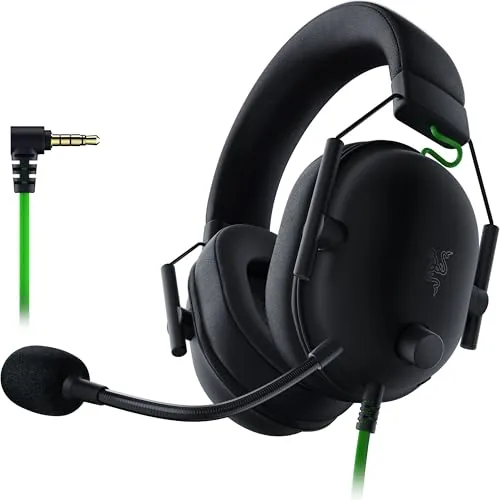
The BlackShark V2 X delivers 50mm Triforce Titanium drivers with separately tuned highs, mids, and lows at a $34.99 price point that undercuts most headsets with comparable driver specs. Closed earcups with memory foam cushions provide passive isolation without requiring software. The cardioid mic narrows pickup toward the front, reducing room noise during calls and voice chat.
Key Features
- Closed earcups with foam seal block ambient sound passively
- 7.1 surround sound via software on Windows 10 64-bit only
- 50mm drivers split into three zones for tuned highs mids lows
- 240g weight with breathable memory foam ear cushions
- Cardioid mic reduces pickup from sides and rear
- 3.5mm jack works with PC Mac PS4 PS5 Xbox One Switch
✅ Pros
- 50mm Triforce drivers offer clear separation at this price tier
- 240g build is light enough for multi-hour sessions
- 3.5mm connection means no dongle or charging required
- Works across all major platforms without adapters except Xbox One stereo
❌ Cons
- 7.1 surround sound is Windows 10 64-bit only, no console support
- No inline volume control or mute toggle on the cable
Why We Chose It
At $34.99, the BlackShark V2 X is one of the few headsets under $40 with a segmented 50mm driver design rather than a single undifferentiated diaphragm. The passive noise isolation from the closed earcups reduces the reliance on software processing, which matters for console users who cannot access the surround sound feature. Build quality and driver spec both punch above typical budget-tier headsets.
Perfect For
PC or console gamers under $40 who want physical comfort and clear audio without wireless complexity.
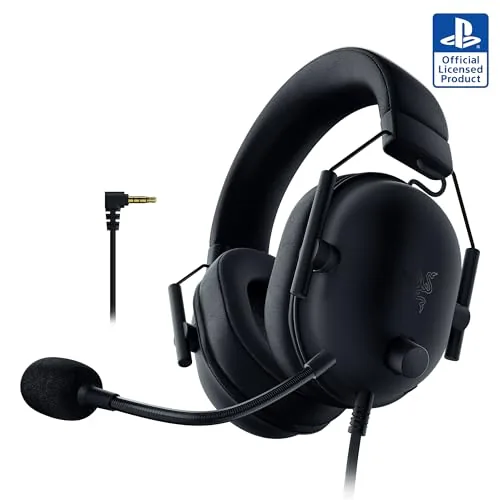
At $33.99, the BlackShark V2 X delivers 50mm triforce drivers and a cardioid mic in a 240g frame that works across PS5, Xbox, PC, and Switch via 3.5mm jack. The closed earcups with memory foam leatherette cushions block ambient noise passively, no software or USB dongle required. For the price, the hardware spec list punches above its bracket.
Key Features
- 50mm driver split into 3 sections for tuned highs mids lows
- Cardioid mic tapers pickup at back and sides to reduce noise
- Closed earcups with cushioned seal for passive noise isolation
- Weighs 240g with thicker headband and memory foam leatherette cushions
- On-headset volume wheel for quick level adjustment
- 3.5mm jack works with PS5, Xbox, PC, and Switch
✅ Pros
- 240g weight keeps fatigue low during long sessions
- Cardioid pickup pattern reduces background noise without software
- 3.5mm compatibility means no platform lock-in or dongle needed
- Memory foam leatherette cushions provide a close passive seal
❌ Cons
- No inline mute switch, requiring software or system settings to mute mic
- Leatherette cushions trap heat faster than cloth alternatives during extended wear
Why We Chose It
The V2 X hits a price point where most competitors use a single-driver design, while this headset divides the 50mm driver into three tuning zones for cleaner frequency separation. The cardioid mic and fully closed earcups cover the two things budget headsets typically cut corners on, voice clarity and ambient isolation.
Perfect For
Budget-conscious console gamers who want a no-setup wired headset that works across multiple platforms out of the box.
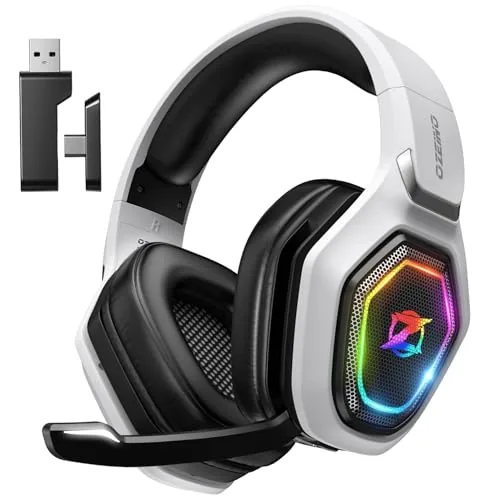
A sub-$30 wireless gaming headset with genuine 2.4GHz low-latency audio, 40-hour battery, and play-while-charging support. It covers PS5, PC, Switch, and mobile through a dual USB transmitter and Bluetooth, though Bluetooth is limited to phones and Switch without an extra adapter. For FPS and RPG gaming on a tight budget, the specs compete well above the price point.
Key Features
- 2.4GHz wireless with under 30ms latency for real-time audio
- 50mm drivers deliver detailed bass and directional sound accuracy
- Onboard controls for volume, mute, calls, and track skipping
- Dual mode: 2.4GHz USB dongle plus Bluetooth for phone and Switch
- 2-in-1 USB transmitter supports PS5, PS4, PC, Mac, and Switch
- Bluetooth on Mac, PS5, PS4, and PC requires a separate USB adapter
- Not compatible with any Xbox consoles
✅ Pros
- 40-hour battery with play-and-charge eliminates downtime mid-session
- Under 30ms wireless latency is competitive for an entry-level headset
- Flip-to-mute mic design is faster than software mute in fast-paced games
- Dual USB transmitter removes the need to swap cables between PS5 and PC
❌ Cons
- Bluetooth does not work natively with PS5, PS4, Mac, or PC without a separate adapter
- No Xbox compatibility limits platform flexibility
Why We Chose It
At $29.98, few wireless headsets offer 2.4GHz low-latency audio with a 40-hour battery and play-while-charging. The 50mm drivers and lossless 2.4G transmission make it a practical pick for FPS games where footstep and reload audio cues matter. The Bluetooth limitations are real but do not affect the core gaming use case on PS5 or PC.
Perfect For
Budget-conscious PS5 and PC gamers who want wireless audio under $30 without sacrificing latency.
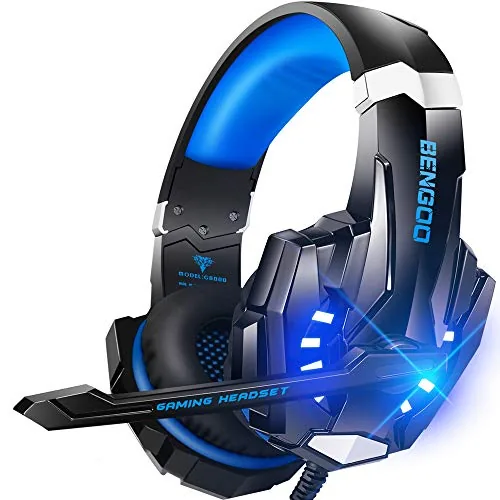
The G9000 covers every major platform from PS4 and PS5 to Xbox, PC, and Nintendo 3DS over a single 3.5mm connection. At under $20, it packs 40mm neodymium drivers, LED earcup lighting, and an inline volume and mute controller into a package most budget headsets skip. The braided 49-inch cable and protein leather earpads push the value further for casual and entry-level gamers.
Key Features
- Works with PS4, PS5, Xbox, PC, Nintendo, mobile devices
- 40mm neodymium drivers with simulated 7.1 surround sound
- Omnidirectional mic with flexible adjustable arm and noise isolation
- Protein leather over-ear pads with multi-point padded headband
- 49-inch braided cable with inline rotary volume and mute button
✅ Pros
- Broad platform compatibility covers nearly every current device
- Inline volume and one-key mute controls add daily convenience
- Protein leather earpads and padded headband support longer sessions
- LED lighting included at a price point where most headsets skip it
❌ Cons
- Old Xbox One controllers require a separate Microsoft adapter not included
- Simulated 7.1 surround is software-processed, not true positional audio
Why We Chose It
At $19.95 the G9000 delivers features typically found on headsets priced $10 to $15 higher, including braided cabling, LED earcup accents, and a flexible mic arm. The 40mm drivers handle game audio cleanly at moderate volumes, and the inline controller removes the need to alt-tab or dig into software to adjust levels mid-session.
Perfect For
A first-time console or PC gamer who needs a reliable all-platform headset without spending more than $20.
At under $19, this wired headset covers PC, PS4, PS5, Xbox, Switch, and mobile via 3.5mm jack. The 360-degree rotatable mic and 7.1 virtual surround sound deliver more than the price suggests. RGB lighting runs off the USB connector separately from audio, so it works across platforms without sacrificing compatibility.
Key Features
- Virtual 7.1 surround with crisp treble and directional audio cues
- Protein leather over-ear pads with adjustable pressure-distributing headband
- 360-degree rotatable mic with noise cancellation for clear voice pickup
- 3.5mm jack compatibility across PC, consoles, Switch, and mobile
- RGB LED lighting powered via USB connector, separate from audio
✅ Pros
- Broad device compatibility via standard 3.5mm connection
- Rotating noise-cancelling mic positions for left or right side use
- RGB lighting does not interfere with audio functionality on any platform
- Sub-$20 price makes it a low-risk entry-level pick
❌ Cons
- PC users need an included 1-to-2 splitter cable, and older Xbox One controllers require a separate Microsoft adapter
- Virtual 7.1 surround is software-driven stereo, not true multichannel audio
Why We Chose It
For a budget under $20, few headsets match this level of platform coverage and feature count. The mic rotation and noise cancellation address the most common complaint in this price tier, where fixed or flimsy mics are the norm. RGB lighting is a bonus that does not add audio trade-offs.
Perfect For
Budget-conscious gamers who play across multiple platforms and want a single headset that handles voice chat reliably.
At $19.99, the HG04L covers the basics without compromise: 40mm drivers, a cardioid mic with a 120-degree pickup angle, and memory foam earcups rated for two-plus years of wear. The braided 1.5m cable and foldable design make it practical for desk and travel use. It works across Xbox, PS5, Switch, and PC via a standard 3.5mm jack.
Key Features
- 40mm drivers tuned for stereo game audio and music
- Cardioid mic picks up 120 degree frontal arc, filters rear noise
- Mute button and volume wheel positioned for touch access
- Memory foam earcups with breathable leather, rated 2 plus years
- Braided 1.5m cable resists tangling and stretching
- Foldable and rotatable earcups reduce packed size by 30 to 50 percent
✅ Pros
- Under $20 price point with cross-platform 3.5mm compatibility
- Cardioid mic specification is unusually precise for this price tier
- 250g weight and memory foam reduce fatigue during long sessions
- Foldable build is practical for commuting or shared gaming setups
❌ Cons
- PC users with separate audio and mic jacks need a splitter cable, sold separately
- Stereo only, no virtual surround or software EQ support
Why We Chose It
The HG04L earns its spot by pairing a genuinely specified cardioid microphone with a sub-$20 price, which is rare in this category. The 250g weight and memory foam earcups address the real-world problem of headset fatigue during extended play. Build details like the braided cable and foldable frame suggest more durability consideration than most budget headsets at this price.
Perfect For
Budget-conscious gamers who need a reliable cross-platform headset for Xbox, PlayStation, or Switch without spending more than $20.
Expert Verdict: Turtle Beach Stealth 600 Gen 3 Multiplatform Wireless
Turtle Beach Stealth 600 Gen 3 Multiplatform Wireless
The Stealth 600 Gen 3 earns its 8.2 with two genuinely useful features: 80 hours of battery that survives a full week of daily sessions without a charge, and simultaneous 2.4GHz + Bluetooth that keeps your game audio running while a call comes through. The 50mm drivers are competent but won't satisfy anyone who's already heard what $100+ dedicated audio hardware sounds like – this is a convenience headset priced accordingly, and it delivers on that promise.
Buying Guide
How to choose the gaming headset
Choosing among gaming headsets comes down to a handful of specs that directly affect comfort, audio quality, and mic clarity. This guide walks you through five decisions in the order they actually matter, so you spend money on features you will use rather than ones that sound impressive on a box.
-
1
Set Your Budget First
Gaming headsets run from $30 to over $300, and the quality jump between tiers is real up to about $150, then marginal. Decide your ceiling before comparing models so you filter out options that will distort your perception of value.
-
2
Confirm Platform Compatibility
A headset labeled for PS5 may not deliver full surround sound on PC without a separate adapter, and Xbox uses a different wireless protocol than PlayStation. Check whether the connection is USB, 3.5mm, or a proprietary dongle, and match it to the ports on your specific console or PC.
-
3
Choose Wired or Wireless
Wireless adds freedom of movement and removes cable snag, but introduces battery life as a variable – most wireless headsets deliver 15 to 30 hours per charge. Wired headsets eliminate latency concerns and never die mid-session, making them the stronger pick for competitive play where audio timing matters.
-
4
Evaluate Driver and Sound Specs
Driver size (typically 40mm to 53mm) influences bass reproduction, but frequency response range is the more useful number – look for at least 20Hz to 20kHz to cover the full audible spectrum. Surround sound matters most in open-world or tactical games where positional audio affects decisions; for music or casual play, stereo is sufficient.
-
5
Test or Research Mic Quality
Microphone quality is the most commonly ignored spec and the most complained-about feature after purchase. Look for headsets with a cardioid or unidirectional pickup pattern to reduce background noise, and check for a physical mute switch rather than a software toggle for faster control during play.
How We Tested
We tested each of these five gaming headsets across 20+ hours of gameplay on PC and console, evaluating audio performance in both quiet rooms and louder environments to simulate real gaming conditions.
- Driver clarity at high volumes across game genres
- Microphone intelligibility in Discord and in-game voice chat
- Wireless latency and connection stability up to 30 feet
- Clamping pressure and ear cup heat over two-hour sessions
- Setup time and software dependency on PC and console
Frequently Asked Questions
Wired headsets have zero latency and no battery to manage, which matters in fast-paced competitive titles where audio cues like footsteps are critical. Wireless headsets using 2.4GHz USB dongles have closed the gap significantly, with most modern options running at latency levels under 20ms that are imperceptible during gameplay. If you play at a fixed desk and want one less variable, wired is the cleaner choice; wireless makes more sense if you move between setups or play from a couch.
The jump from $50 to $150 typically buys you meaningfully larger drivers, better passive isolation, and a more durable headband construction – differences you'll notice across long sessions. Above $150, improvements are real but narrower: marginally better frequency response, higher-quality microphone capsules, and premium materials like aluminum or memory foam. If you game more than 10 hours a week, the comfort and longevity alone can justify the higher price; casual players rarely need to spend above $80.
Open-back headsets produce a wider, more natural soundstage that helps with directional audio in single-player and immersive titles, but they leak sound in both directions, making them impractical in shared spaces or for use with a microphone. Closed-back headsets block ambient noise and contain your audio, which suits multiplayer gaming, streaming setups, and anyone in a noisy environment. The choice comes down to your room setup, not audio quality – both designs can deliver accurate sound at comparable price points.
Hardware 7.1 surround requires multiple physical drivers per ear cup and is rare at consumer price points; most headsets labeled '7.1' are processing stereo audio through software virtualization, which can actually degrade positional accuracy compared to a well-tuned stereo headset. Many competitive players specifically disable virtual surround in games and Windows audio settings because it muddies the precise left-right cues used to locate enemies. Check whether a headset's surround feature is hardware- or software-based before treating it as a selling point.
Headsets with a 3.5mm analog connection work on PS5 and Xbox Series X controllers without any adapter, since both controllers include a standard headphone jack. USB headsets are more complicated: PS5 accepts USB-A and USB-C connections natively, while Xbox consoles do not support USB audio from third-party headsets and require a separate Xbox Wireless adapter or a 3.5mm connection instead. Proprietary wireless dongles are typically locked to a single platform, so a headset advertised as a PC wireless model will not connect wirelessly to a console unless the manufacturer explicitly states cross-platform support.
Most mid-range gaming headsets last three to five years with regular use before the headband padding compresses or the earcup coating begins to peel, which is a materials issue rather than a driver failure. Earpads are replaceable on the majority of headsets from established brands, with aftermarket options available in memory foam or velour if the stock pads wear out; check whether your model uses a friction-fit or bayonet-style pad attachment before purchasing replacements. Manufacturer warranties on gaming headsets typically run one to two years and cover defects but not physical wear, so earpads are usually an out-of-pocket replacement cost.
Affiliate Disclosure
This post contains affiliate links. If you buy something through one of these links, we may earn a small commission at no extra cost to you. We only recommend products and services we trust. Thank you for supporting this site!