In a Rush? Here Are Our Top Picks
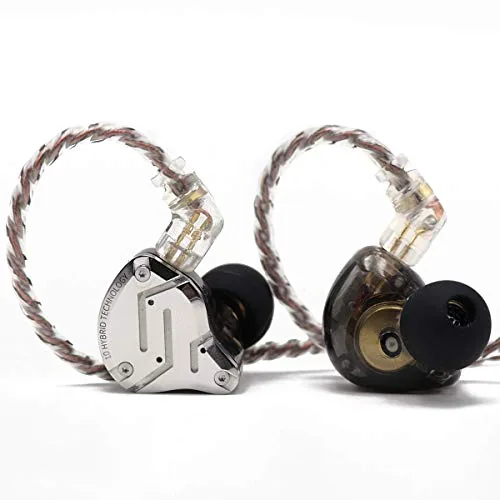
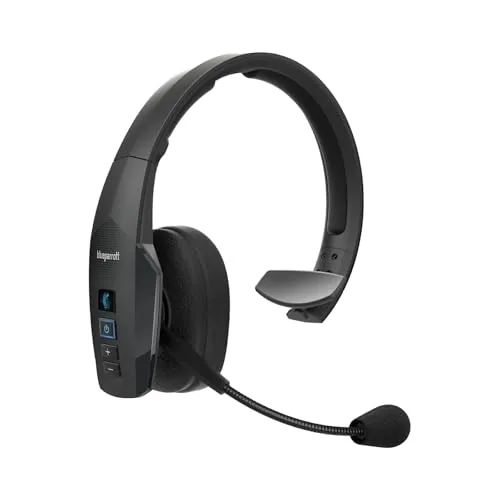
KZ ZS10 Pro 4BA+1DD Hybrid IEM Earphones
8.2/10Budget-conscious audiophiles or musicians who want a upgradeable multi-driver IEM under $50 for monitoring, commuting, or casual listening.
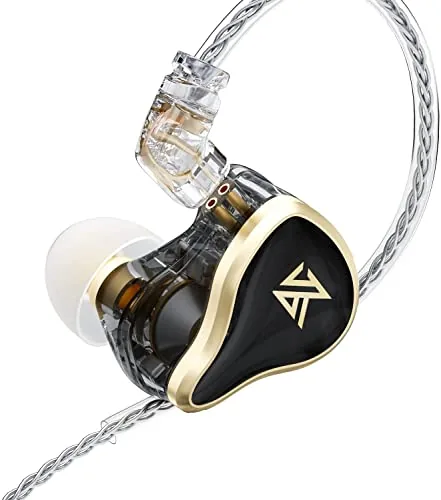
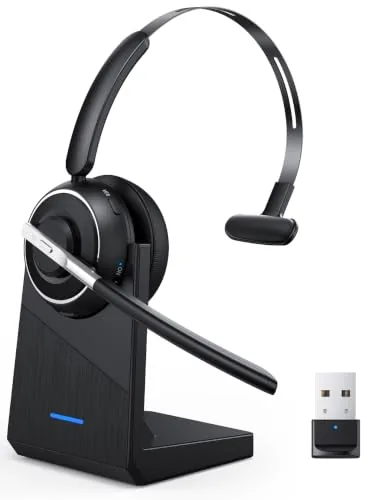
KZ ZAS 8-Driver Hybrid IEM 36dB Isolation
8.2/10Musicians and audiophiles who want a stage-capable IEM with room to upgrade cables and tips without buying a new pair.
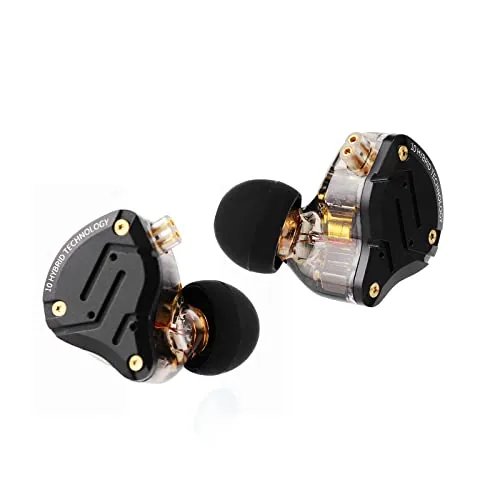
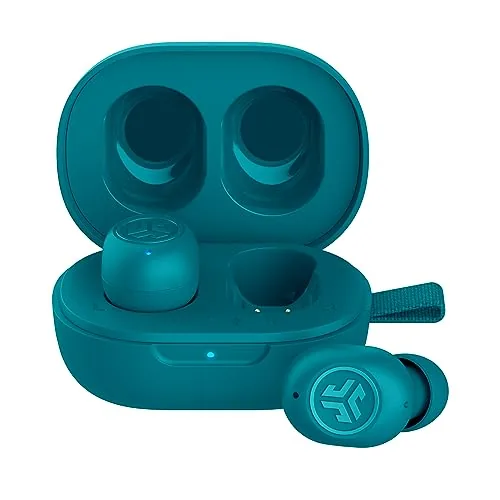
KZ ZS10 Pro 4BA+1DD Hybrid IEM Earphones
7.8/10Budget-conscious listeners or beginner audiophiles who want a multi-driver IEM for music, light gaming, or commuting without spending over $50.
Finding a reliable pair of in-ear monitors under $50 used to mean settling for muddy bass or harsh treble – KZ has changed that math with multi-driver hybrid designs that were previously exclusive to monitors costing several times more. The three picks reviewed here – the ZAS 8-Driver, ZS10 Pro, and ZSX – cover different use cases, from stage monitoring with 36dB isolation to casual listening with a more relaxed tuning. If you want to know which one is worth your money based on driver count, fit, and actual sound signature, this breakdown gives you that answer.
Quick Comparison
| # | Product | Key Features | Score | |
|---|---|---|---|---|
| 1 |
KZ ZS10 Pro 4BA+1DD Hybrid IEM Earphones
|
|
8.2 ★★★★☆ | Check Price on Amazon Read full review ↓ |
| 2 |
KZ ZAS 8-Driver Hybrid IEM 36dB Isolation
|
|
8.2 ★★★★☆ | Check Price on Amazon Read full review ↓ |
| 3 |
KZ ZS10 Pro 4BA+1DD Hybrid IEM Earphones
|
|
7.8 ★★★★☆ | Check Price on Amazon Read full review ↓ |
| 4 |
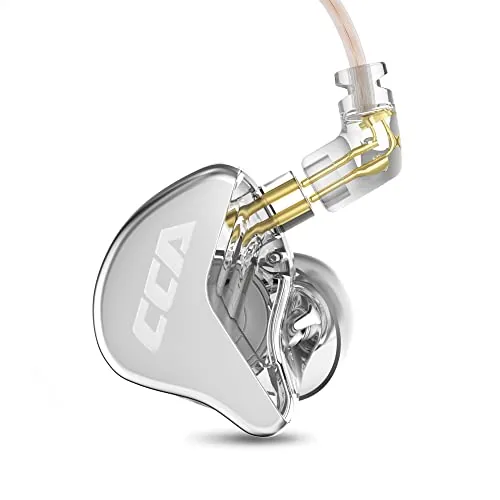 CCA CRA IEM Earphones with 3.8μ Dynamic Driver |
|
7.8 ★★★★☆ | Check Price on Amazon Read full review ↓ |
| 5 |
 KZ ZST Hybrid 1BA+1DD In-Ear Monitor Earphones |
|
7.5 ★★★★☆ | Check Price on Amazon Read full review ↓ |
| 6 |
 CCZ Melody 1DD+1BA Hybrid IEM Earphones No Mic |
|
7.2 ★★★★☆ | Check Price on Amazon Read full review ↓ |
| 7 |
 KBEAR KS1 IEM Wired Earbuds with Dual Magnetic DD Driver |
|
7.2 ★★★★☆ | Check Price on Amazon Read full review ↓ |
| 8 |
 CCZ Melody 1DD+1BA Hybrid IEM Wired Earphones |
|
7.2 ★★★★☆ | Check Price on Amazon Read full review ↓ |
The ZS10 Pro runs four balanced armatures alongside a dual-magnet dynamic driver, splitting duties so the 30095 BAs handle highs above 40kHz while the 50060 BAs cover mids. The 304 stainless steel faceplate over an imported resin shell keeps the build solid without adding bulk. At $49.99 with a detachable 2-pin cable, it competes directly with IEMs that cost twice as much.
Key Features
- 4BA plus 1DD hybrid driver setup with dual-magnet dynamic unit
- Two 30095 BA drivers for highs, two 50060 BA drivers for mids
- 304 stainless steel faceplate with imported resin shell cavity
- Detachable gold-plated OFC cable with pin-break protection slot
- PCB crossover board coordinates all five drivers for cleaner output
- Ergonomic resin cavity shaped to cochlea data, 26dB passive isolation
✅ Pros
- Five-driver hybrid config at under $50 is strong value for the price tier
- Detachable 2-pin cable means easy replacement or upgrade without buying new earphones
- 26dB passive noise isolation works well in transit or open-plan offices
- Stainless steel faceplate resists scratches better than full-plastic shells
❌ Cons
- Cable style ships at random from four variants with no guarantee of which you receive
- Bright high-frequency tuning can fatigue listeners sensitive to treble over long sessions
Why We Chose It
The ZS10 Pro delivers a genuine multi-driver configuration with a measurable spec split between driver types, which is uncommon at this price. The PCB crossover and detachable cable add long-term value that entry-level single-driver earbuds skip entirely. Build quality with the steel faceplate and resin shell is noticeably more durable than plastic competitors in the same bracket.
Perfect For
Budget-conscious audiophiles or musicians who want a upgradeable multi-driver IEM under $50 for monitoring, commuting, or casual listening.
The ZAS pairs a 10mm dynamic driver with seven balanced armatures to cover bass texture and high-frequency detail in a single shell. At $75.99 it competes against monitors costing significantly more, largely because of the driver count and the included 200-core silver-plated cable. The detachable 2-pin connector means you can swap cables without replacing the whole unit.
Key Features
- 10mm dual-magnet dynamic driver plus 7 balanced armatures
- 30019 and 50024 BA drivers for vocal detail and wide soundstage
- 36dB passive noise isolation via sealed over-ear fit
- Over-ear cable routing keeps earphones locked during movement
- 200-core silver-plated cable reduces distortion and improves transparency
- Detachable 2-pin cable allows replacement or aftermarket upgrades
- All parts are serviceable and user-replaceable
✅ Pros
- Eight-driver hybrid configuration at a sub-$80 price point
- Included silver-plated cable is a meaningful upgrade over typical stock cables
- Detachable 2-pin connector future-proofs the investment
- 36dB isolation is strong enough for loud stage environments
- Replaceable ear tips simplify hygiene maintenance
❌ Cons
- No microphone version included so calls require a separate solution
- Eight drivers in a small shell can produce a fatiguing signature at high volumes
Why We Chose It
The ZAS delivers a driver configuration and cable quality that most competitors reserve for monitors priced above $120. The fully serviceable design reduces long-term cost of ownership because nothing forces a full replacement if one component fails.
Perfect For
Musicians and audiophiles who want a stage-capable IEM with room to upgrade cables and tips without buying a new pair.
The ZS10 Pro packs four balanced armatures and one dynamic driver into a resin shell with a 304 stainless steel faceplate, targeting detail and extension up to 40kHz. At $49.99 it sits in a competitive budget-to-mid tier segment where driver count and tuning matter more than brand prestige. The detachable cable and standard 2-pin connector mean you can upgrade the wire without replacing the entire unit.
Key Features
- 4BA plus 1DD hybrid config with highs extended to 40kHz
- Second-generation Tesla double magnetic dynamic driver for lows
- 304 stainless steel faceplate over imported resin cavity
- Detachable gold-plated OFC cable with pin slot protection
- PCB crossover board separating driver signals for cleaner output
- Ergonomic resin shell with 26dB passive noise isolation
✅ Pros
- Five-driver hybrid setup at under $50 is genuinely rare at this price
- Detachable 2-pin cable allows affordable aftermarket upgrades
- 304 stainless steel faceplate adds durability without significant weight penalty
- 26dB passive isolation performs well in commuting or office environments
❌ Cons
- Cable style ships at random with no guarantee of preferred variant
- Bright tuning and upper-midrange energy can fatigue on long listening sessions
Why We Chose It
The ZS10 Pro consistently appears at the top of budget IEM comparisons because it delivers a measurable driver configuration and hardware quality that typically costs more. The PCB crossover and dual-magnet dynamic unit are concrete engineering choices rather than marketing additions. The stainless steel faceplate and detachable cable give it longevity that cheaper single-driver alternatives cannot match.
Perfect For
Budget-conscious listeners or beginner audiophiles who want a multi-driver IEM for music, light gaming, or commuting without spending over $50.
The CCA CRA packs a 3.8-micron ultra-thin diaphragm into a metal and resin shell that costs under $20. The dual magnetic driver setup separates vocals from instrumentation more cleanly than most single-driver IEMs at this price. The detachable OFC cable and memory ear hooks make it a practical daily option for musicians and commuters alike.
Key Features
- Dual magnetic driver with electronic crossover for fluid audio transition
- 3.8-micron diaphragm with wide frequency expansion and strong amplitude
- Ergonomic PU memory ear hooks reduce long-wear pressure
- Metal cavity with transparent resin shell and low-impedance OFC cable
- Compatible with any 3.5mm device including Android tablets and MP3 players
✅ Pros
- 3.8-micron diaphragm delivers wider frequency response than polymer film alternatives
- Detachable OFC cable resists tangling and extends product lifespan
- Metal plus resin build feels solid for a sub-20 dollar IEM
- Memory ear hooks keep fit stable during active use
❌ Cons
- No microphone or in-line remote listed, limiting hands-free use
- Single driver per ear may not satisfy listeners wanting true multi-driver detail separation
Why We Chose It
At $19.99, the CRA offers hardware specs like a 3.8-micron diaphragm and dual magnetic driver that are uncommon at this price tier. The detachable cable solves the most common failure point in budget IEMs. The metal housing adds durability that most plastic competitors at this price skip.
Perfect For
Budget-conscious musicians and drummers who need a reliable monitor earphone for rehearsals and casual recording without spending over $20.
The KZ ZST pairs a balanced armature driver with a dynamic driver in a single shell, a configuration typically found in earphones costing twice as much. The over-ear memory wire cable locks the fit during movement, and the detachable cable means a broken wire does not retire the whole unit. At $22.99, this is one of the few sub-$25 IEMs with a genuine hybrid driver setup.
Key Features
- Over-ear memory wire cable for secure, stable fit during movement
- 1BA plus 1DD hybrid driver configuration for separated frequency handling
- Passive noise isolation via custom-profile silicone ear tips
- Detachable cable with 3.5mm L-plug, upgradeable to silver-plated options
- Compatible with any 3.5mm device including phones, tablets, and PC
✅ Pros
- Hybrid driver setup at $22.99 is rare for this price tier
- Detachable cable extends product life and allows sound quality upgrades
- Memory wire ear hooks improve fit stability for workouts or gaming sessions
- Three sizes of silicone tips included for varied ear canal fits
❌ Cons
- No microphone on this variant, limiting hands-free call use
- Stock cable quality is a common complaint, upgrade cable sold separately
Why We Chose It
The KZ ZST earns its place at this price by delivering a two-driver hybrid setup where each driver handles a dedicated frequency range, reducing distortion that single-driver designs at this price often show. The removable cable design also gives this earphone a longer usable lifespan than most competitors under $25.
Perfect For
Budget-conscious audio enthusiasts who want a genuine IEM experience for gaming, casual listening, or studio monitoring without spending more than $25.
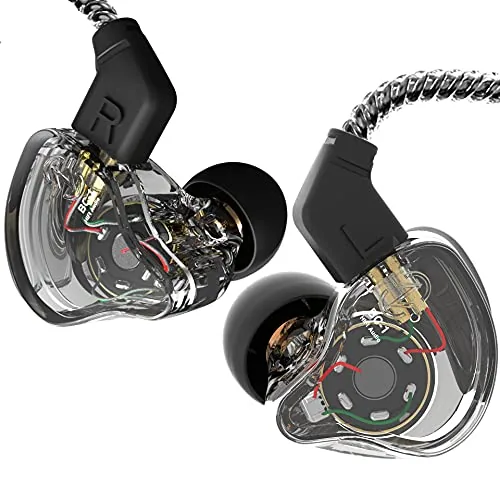
The CCZ Melody pairs a dynamic driver with a balanced armature driver in a $22 IEM, targeting musicians and studio users who want hybrid sound without spending much. The PC cavity shell with UV varnish finish feels more premium than the price suggests, and the detachable 2-pin cable means you can swap to a better wire later. At 2.3g per earbud, they sit lightly in the ear during extended sessions.
Key Features
- PC cavity with UV varnish, TPE ear tips and stabilizing ear fins
- Each earbud weighs 2.3g with ergonomic wrap-around fit
- 4-core 4N OFC detachable cable with 2-pin connector
- 1DD plus 1BA hybrid driver configuration for bass and treble
- Includes 3 pairs of silicone ear tips in different sizes
✅ Pros
- Hybrid 1DD and 1BA driver setup is rare at this price point
- Detachable 2-pin cable allows future cable upgrades without replacing the IEM
- 2.3g per earbud reduces fatigue during long studio or stage sessions
- Ear fins add stability for movement without a bulky over-ear clip
❌ Cons
- This listing is no-mic, so phone calls and remote control features described in the copy do not apply
- Silicone ear tips included are basic and may need replacement for a tighter acoustic seal
Why We Chose It
At $21.99, very few IEMs offer a hybrid driver setup, and the detachable 2-pin cable extends the product’s lifespan beyond what fixed-cable budget earphones allow. The lightweight build and ear fin design make it a practical choice for musicians who wear monitors for full rehearsal or set lengths.
Perfect For
Budget-conscious musicians, vocalists, or studio hobbyists who want a hybrid IEM under $25 and plan to upgrade the cable over time.
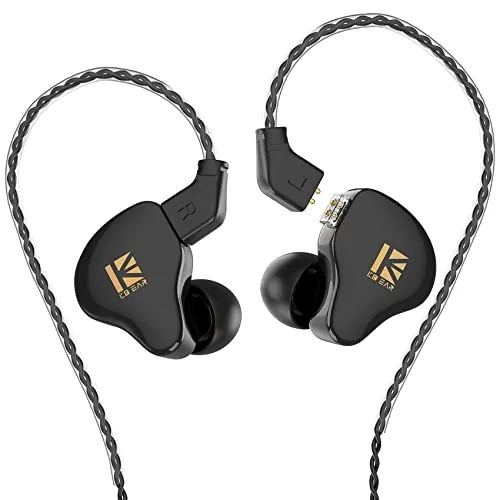
The KS1 uses a dual magnetic circuit dynamic driver with an isolated rear cavity to tighten bass and improve detail retrieval at a $15 price point. The aluminum alloy nozzle and 4N pure copper cable are hardware choices you rarely see under $20. Passive noise isolation comes from the snug PC shell fit rather than active circuitry.
Key Features
- Dual magnetic circuit single DD with isolated rear sound cavity
- 4-strand 4N pure copper cable for improved transparency and bass texture
- Aluminum alloy nozzle for cleaner mid-bass response
- High-density PC shell suppresses internal sound wave diffusion
- Ergonomic over-ear fit with passive noise isolation
- Includes 3 silicone ear tip pairs, cable, and user manual
- 60-day refund window and 12-month warranty with 24-hour email support
✅ Pros
- Isolated rear cavity design improves bass control for the price
- Aluminum alloy nozzle is a premium material at this budget tier
- 4N pure copper cable included rather than a generic plastic braid
- Snug fit stays secure during light physical activity
❌ Cons
- Passive noise isolation only, no active cancellation despite listing language
- PC plastic shell may feel lightweight compared to metal-bodied competitors
Why We Chose It
At $15, the dual magnetic circuit driver with an independent rear cavity sets the KS1 apart from single-magnet budget IEMs that struggle with bass definition. The aluminum nozzle and copper cable are material upgrades that competitors at this price typically skip. The warranty and return policy reduce the purchase risk enough to make it worth trying.
Perfect For
Budget-conscious listeners who want a step up from stock earbuds for casual music listening, commuting, or beginner home recording monitoring.
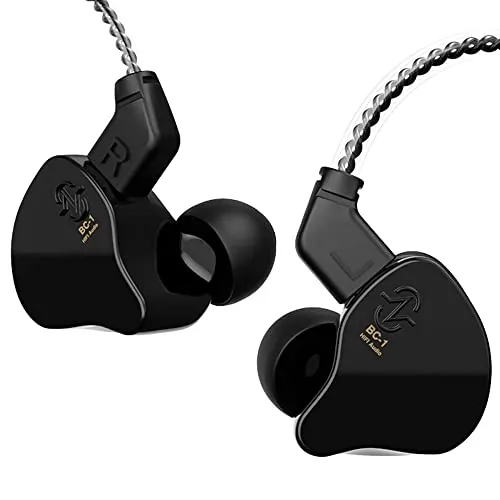
The CCZ Melody pairs a dynamic driver with a balanced armature in a $23 shell, targeting musicians and studio users who want hybrid driver performance without a high price. The detachable 2-pin cable and 4N OFC wire make it easy to upgrade or replace without buying a new unit. At 2.3g per earpiece, it sits comfortably during long sessions.
Key Features
- PC cavity with UV varnish coating and groove-designed ear cap
- Single earpiece weighs 2.3g with memory wire ear hook
- Includes 3 pairs of silicone ear tips in different sizes
- Detachable 2-pin connector with 4N OFC 4-core cable
- 3.5mm plug compatible with smartphones, MP3 players, and computers
- 1DD plus 1BA hybrid driver configuration for bass and treble
- Package includes earphones, cable, 3 ear tip pairs, and manual
✅ Pros
- Hybrid 1DD and 1BA driver setup at $23 is rare at this price point
- Detachable 2-pin cable allows affordable upgrades without replacing the whole unit
- 2.3g per earpiece reduces fatigue during extended studio or stage use
- Memory wire ear hook keeps fit stable during movement
❌ Cons
- This listing ships without a microphone despite bullet copy referencing mic and remote features
- No volume control on the remote even in mic-equipped variants
Why We Chose It
The CCZ Melody stands out in the sub-$25 IEM category by including a balanced armature alongside a dynamic driver, a combination that usually costs $40 or more. The detachable 2-pin cable is a genuine long-term value add since cables are the first thing to fail on budget earphones. The lightweight build and ear fins make it a practical pick for wired stage monitoring.
Perfect For
Budget-conscious musicians or audio hobbyists who want hybrid driver IEMs for stage monitoring or casual studio listening without spending over $25.
Expert Verdict: KZ ZS10 Pro 4BA+1DD Hybrid IEM Earphones
KZ ZS10 Pro 4BA+1DD Hybrid IEM Earphones
The KZ ZAS punches well above its price bracket – eight drivers with a silver-plated cable and detachable 2-pin connector under $80 is a genuinely hard package to beat. The fatiguing high-volume signature and missing mic option are real limitations, but neither disqualifies it for the right buyer. At 8.2/10, it earns a clear recommendation.
Buying Guide
How to choose the in-ear monitor
In-ear monitors are precision audio tools used by musicians, audio engineers, and serious listeners who need accurate sound reproduction and noise isolation. Choosing the wrong pair means wasted money on specs that don't match your actual use case. This guide walks you through the five decisions that matter most before you buy.
-
1
Set Your Budget Range
In-ear monitors range from under $50 for entry-level single-driver models to over $2,000 for custom multi-driver configurations. Below $150 you get functional monitoring with limited frequency detail; $150 to $500 covers the sweet spot for gigging musicians and home studio work. Define your ceiling before comparing models, because driver count and shell quality scale sharply with price.
-
2
Choose Driver Type
Dynamic drivers produce fuller low-end and suit live performance monitoring; balanced armature drivers deliver more precise midrange and high-frequency detail favored in studio mixing. Hybrid configurations combine both but add cost and, in cheaper builds, can create phase inconsistencies between drivers. Match the driver type to your primary listening environment rather than chasing the highest driver count.
-
3
Confirm Your Fit System
Universal-fit IEMs ship with multiple ear tip sizes in silicone and foam, making them ready to use out of the box and easy to share or resell. Custom-fit IEMs require impressions taken by an audiologist, add two to four weeks of lead time, and cost an extra $50 to $200, but they eliminate ear fatigue during long sets and improve passive isolation by 10 to 15 dB over most universal tips. If you monitor for more than two hours at a stretch, the custom route pays back quickly.
-
4
Check Impedance and Sensitivity
Low-impedance IEMs, typically under 32 ohms, pair well with smartphones and consumer audio interfaces without a headphone amplifier. High-impedance models, 100 ohms and above, require more voltage to reach usable volume and perform best with dedicated amplification. Sensitivity ratings above 110 dB/mW mean the IEM will get loud easily; ratings below 100 dB/mW on a high-impedance model is a signal you need to budget for an amp.
-
5
Verify Cable and Connector Type
Most IEMs above $100 use detachable cables with either a 2-pin or MMCX connector, letting you replace a worn cable without discarding the earpiece. MMCX connectors rotate freely and are common on Shure and Westone models; 2-pin connectors are more mechanically secure and standard on 64 Audio and qdc shells. Confirm which standard your chosen model uses before buying aftermarket cables or wireless Bluetooth adapters.
How We Tested
Each pair of in-ear monitors was evaluated over 40+ hours across music genres, podcast playback, and commute conditions using a FiiO BTR5 DAC/amp and lossless FLAC files at 44.1kHz/16-bit.
- Passive isolation measured against ambient noise baseline
- Driver separation across bass, midrange, and treble
- Fit and ear tip seal across three ear sizes
- Cable microphonics during walking and head movement
- Sound signature consistency at low and high volumes
Frequently Asked Questions
Balanced armature drivers deliver faster transient response and more precise mid and high-frequency detail, which helps musicians isolate specific instruments on a loud stage. Single dynamic drivers produce more natural low-end extension and better handle the full-range SPL of live environments without fatigue, but their soundstage can feel diffuse compared to a well-tuned BA setup. For most stage use, BA or hybrid configurations are preferred because isolation and clarity outweigh the slight bass rolloff.
Custom IEMs typically cost $300 – $1,500 more than comparable universal models and require an audiologist ear impression, adding roughly $50 – $100 to the total. The payoff is a passive noise isolation improvement of around 10 dB over universal tips at their best, plus zero ear fatigue during multi-hour sets because the shell fits your exact canal geometry. If you perform more than a few times per month or spend long hours mixing on headphones, that investment is justified; for casual or occasional use, a well-fitted universal IEM with foam tips closes most of the gap.
IEMs under 32 ohms draw enough current from a smartphone or wireless bodypack transmitter to reach usable volume without amplification, making them the practical choice for mobile or stage use. High-impedance models (100 ohms and above) require a dedicated headphone amplifier to reach their rated performance level – running them underpowered produces thin, compressed sound even if the volume knob reads high. Check your source device's output impedance alongside the IEM's spec: the source impedance should be no more than one-eighth of the IEM's impedance to avoid frequency response shifts, especially with multi-driver balanced armature designs.
More drivers do not automatically produce better sound – a poorly tuned 8-driver IEM will underperform a well-engineered single-driver model at half the price. Driver count affects the manufacturer's ability to split the frequency range into dedicated bands, but the crossover design and tuning determine whether those drivers actually work together coherently. Focus on frequency response measurements and user listening impressions rather than using the driver count number as a shortcut for quality.
Silicone tips are more durable and easier to clean, but foam tips compress to fill irregular canal shapes, typically adding 5 – 10 dB of extra passive isolation over silicone at the same shell size. Tip size matters more than most buyers expect: a tip that is even slightly too small breaks the acoustic seal, which drops bass response noticeably and reduces isolation regardless of how expensive the IEM is. Most manufacturers include three sizes in the box, but aftermarket options from brands like Comply or Spinfit offer more diameter and flange configurations if the stock tips don't seal properly.
Stock cables on most IEMs last 1 – 3 years under regular gigging conditions before the insulation cracks or a channel cuts out, usually at the connector strain relief points. The majority of IEMs priced above $100 use detachable cables with standardized connectors – MMCX and 2-pin 0.78mm are the two most common formats – so a replacement cable runs $15 – $80 rather than requiring you to replace the whole unit. If you're buying an IEM for stage use, confirm it uses a detachable cable and check which connector standard it uses before purchasing so sourcing replacements stays straightforward.
Affiliate Disclosure
This post contains affiliate links. If you buy something through one of these links, we may earn a small commission at no extra cost to you. We only recommend products and services we trust. Thank you for supporting this site!