In a Rush? Here Are Our Top Picks
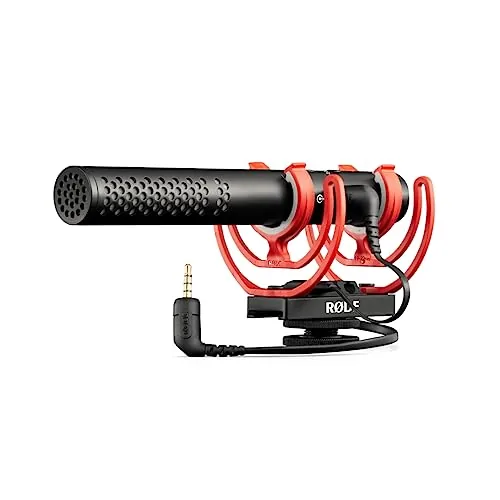
Rode VideoMic NTG Shotgun Mic with USB Output
8.5/10Run-and-gun videographers and hybrid shooters who record across cameras, smartphones, and computers and want one mic that handles all three without adapters or compromises.
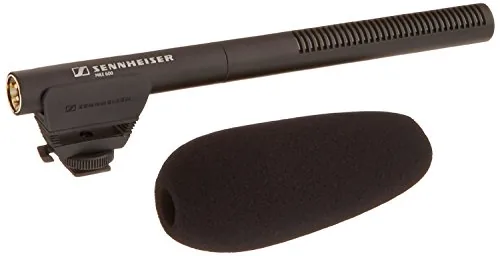
Sennheiser MKE600 Shotgun Microphone with Shock Mount
8.5/10Solo video creators, documentary shooters, and event videographers who need a reliable on-camera shotgun that works across multiple camera types.
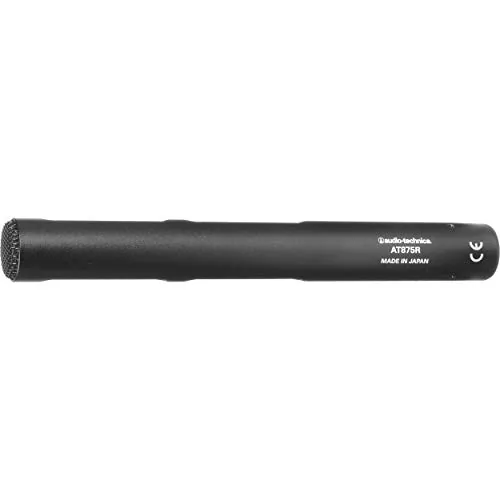
Audio-Technica AT875R Short Shotgun Condenser Mic
8.5/10Solo video journalists, documentary shooters, and content creators using compact cameras who need directional audio pickup without adding bulk to their rig.
Shotgun microphones reject off-axis noise by design, which makes them the go-to choice for videographers, podcasters, and anyone who needs to isolate a subject’s voice from a noisy environment. Choosing the wrong one means paying for polar pattern performance your setup can’t actually use – the right one depends on your mounting situation, phantom power availability, and how much reach you need. After testing the Rode VideoMic NTG, Sennheiser MKE600, and Audio-Technica AT875R, here’s what each mic does well and where each one falls short.
Quick Comparison
| # | Product | Key Features | Score | |
|---|---|---|---|---|
| 1 |
Rode VideoMic NTG Shotgun Mic with USB Output
|
|
8.5 ★★★★☆ | Check Price on Amazon Read full review ↓ |
| 2 |
Sennheiser MKE600 Shotgun Microphone with Shock Mount
|
|
8.5 ★★★★☆ | Check Price on Amazon Read full review ↓ |
| 3 |
Audio-Technica AT875R Short Shotgun Condenser Mic
|
|
8.5 ★★★★☆ | Check Price on Amazon Read full review ↓ |
| 4 |
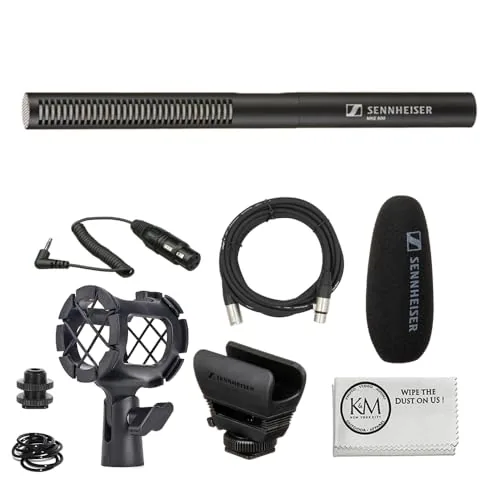 Sennheiser MKE 600 Shotgun Mic Camera Bundle |
|
8.5 ★★★★☆ | Check Price on Amazon Read full review ↓ |
| 5 |
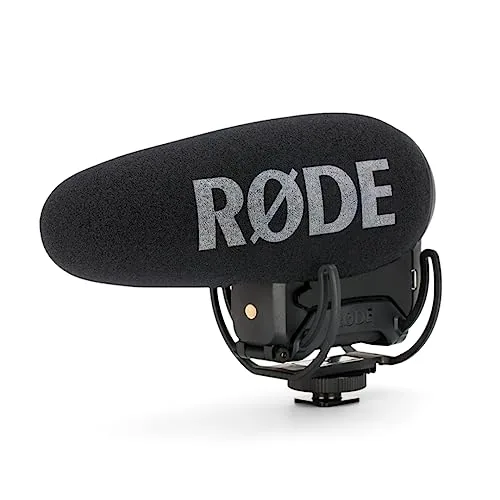 Rode VideoMic Pro+ On-Camera Shotgun Mic |
|
8.5 ★★★★☆ | Check Price on Amazon Read full review ↓ |
| 6 |
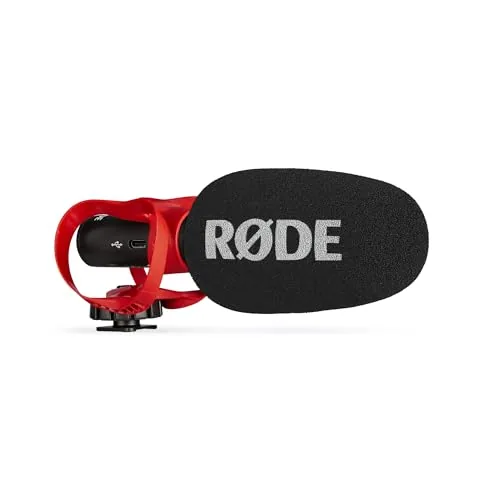 Rode VideoMic GO II USB and 3.5mm Shotgun Mic |
|
8.2 ★★★★☆ | Check Price on Amazon Read full review ↓ |
| 7 |
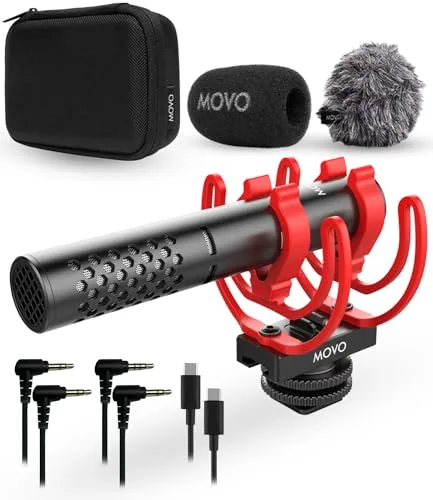 Movo X1-Mini Supercardioid Shotgun Mic USB-C/3.5mm |
|
7.8 ★★★★☆ | Check Price on Amazon Read full review ↓ |
| 8 |
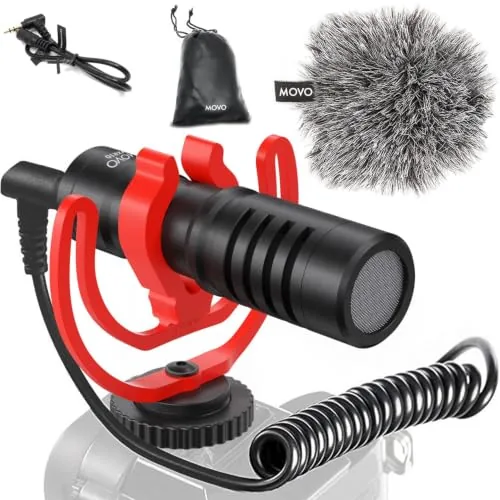 Movo VXR10 Shotgun Mic with Rycote Shock Mount |
|
7.8 ★★★★☆ | Check Price on Amazon Read full review ↓ |
The VideoMic NTG covers camera, smartphone, and computer recording from a single mic. Its auto-sensing 3.5mm output switches automatically between camera and mobile device configurations, removing the need for adapter cables. Variable gain control and digital filter switching let you dial in the signal precisely for any recorder or camera.
Key Features
- Supercardioid capsule shares acoustic design with the NTG5 broadcast mic
- Variable gain control plus high-pass filter, pad, boost, and safety channel
- Auto-sensing 3.5mm output switches between camera and mobile automatically
- is a USB mic with 3.5mm headphone monitoring on computers
- Interfaces digitally with Android and iOS smartphones for mobile filmmaking
✅ Pros
- Auto-sensing output eliminates adapter cable swaps between devices
- Infinitely variable gain wheel gives precise level control most on-camera mics lack
- USB output with headphone monitoring makes it a practical desktop mic too
- Broadcast-grade capsule design delivers clean, uncolored audio at this price point
❌ Cons
- iOS digital connection requires purchasing the SC15 Lightning cable separately
- At 94g it adds noticeable weight to smaller mirrorless camera setups
Why We Chose It
The VideoMic NTG covers more recording scenarios than any single on-camera mic at this price, handling cameras, computers, and smartphones without swapping gear. The variable gain control addresses one of the most common frustrations with camera-mount mics, where fixed output levels often mismatch recorder inputs.
Perfect For
Run-and-gun videographers and hybrid shooters who record across cameras, smartphones, and computers and want one mic that handles all three without adapters or compromises.
The MKE600 is a wired shotgun microphone built for camera-mounted use, with tight directional pickup that rejects ambient noise from the sides and rear. It runs on AA battery or 48V phantom power, so it works with cameras that lack phantom power output. The included shock mount and foam windshield make it field-ready without extra purchases.
Key Features
- Tight directional pickup rejects side and rear noise
- Switchable low-cut filter reduces wind and handling rumble
- Runs on AA battery or 48V phantom power
- Supplied with foam windshield and shock mount
- Designed for camera and camcorder top-mount use
✅ Pros
- Dual power options work with cameras that lack phantom power
- High directivity cuts background noise on location shoots
- Ships with shock mount and windshield, reducing added costs
- Compact form factor sits cleanly on a camera hot shoe
❌ Cons
- At $335 it sits above entry-level shotguns, which may be excessive for casual video work
- Wired only, so boom pole or cable runs are required for handheld talent
Why We Chose It
The MKE600 earns its price through reliable polar pattern control and flexible powering that suit run-and-gun video production. The bundled accessories address two common first purchases right out of the box. For filmmakers moving past consumer-grade mics, it delivers consistent results without requiring a full audio kit.
Perfect For
Solo video creators, documentary shooters, and event videographers who need a reliable on-camera shotgun that works across multiple camera types.
At under 7 inches long, the AT875R fits compact digital cameras without extending awkwardly past the lens. Its narrow pickup pattern pulls in sound from a distance while rejecting noise from the sides and rear. The tailored frequency response cuts handling vibration and camera motor noise that would otherwise ruin a take.
Key Features
- Built for ENG and EFP video production audio capture
- Under 7 inches long, fits compact digital camera setups
- Narrow acceptance angle suited for long-distance sound pickup
- Strong side and rear rejection keeps off-axis noise out
- Frequency response shaped to reduce handling and camera noise
✅ Pros
- Compact length works with mirrorless and DSLR cameras without requiring a cage or extended rig
- Long-distance pickup lets shooters grab clean audio without getting close to the subject
- Side and rear rejection holds up well in noisy environments like event floors or busy streets
- Handling noise suppression reduces the need for heavy shock mounting in run-and-gun situations
❌ Cons
- Shorter shotgun length means less off-axis rejection than full-size 12-inch shotgun mics
- No built-in low-cut filter switch, so wind or room rumble may require post-processing
Why We Chose It
The AT875R fills a specific gap between on-camera cardioid mics and full-length shotgun mics. Its sub-7-inch body balances portability with a genuinely directional pickup pattern, which most compact camera mics cannot match. At $189, it delivers broadcast-grade rejection and long-distance reach without the bulk of larger shotguns.
Perfect For
Solo video journalists, documentary shooters, and content creators using compact cameras who need directional audio pickup without adding bulk to their rig.
The MKE 600 is a professional-grade shotgun microphone built for video production, with tight directional pickup that isolates your subject and rejects off-axis noise. It runs on phantom power or a standard AA battery, so it works on cameras that lack phantom power supply. The bundle adds a universal shockmount, 20-foot XLR cable, and cleaning cloth, covering most mounting and cabling needs out of the box.
Key Features
- Supercardioid polar pattern rejects side and rear noise
- Switchable low-cut filter reduces wind and handling rumble
- Runs on 48V phantom power or a single AA battery
- Includes MZS 600 shockmount and foam windshield from Sennheiser
- Bundle adds universal shockmount, 20-foot XLR cable, and cleaning cloth
✅ Pros
- Tight directional pickup works well in noisy interview or run-and-gun environments
- Battery power option makes it compatible with cameras that lack phantom power
- Low-cut filter noticeably reduces wind noise in outdoor shooting
- Bundle provides redundant shockmount and a long XLR cable for boom or field use
❌ Cons
- Redundant shockmount in the bundle adds cost with little extra practical value
- At 349 dollars, cheaper alternatives exist for basic on-camera use
Why We Chose It
The MKE 600 delivers consistent, clean audio in real-world video production conditions where background noise and wind are ongoing problems. Its dual power option removes a common compatibility headache with consumer and prosumer cameras. The included Sennheiser accessories are purpose-built for the mic rather than generic aftermarket parts.
Perfect For
Independent filmmakers, videographers, and journalists who need a reliable shotgun microphone for on-camera or boom use in mixed shooting environments.
The VideoMic Pro+ is a compact shotgun microphone built for filmmakers who need reliable on-camera audio without a separate recorder. It runs on a rechargeable lithium-ion battery, two AAs, or continuous USB power, so battery anxiety is largely off the table. The Rycote Lyre suspension system handles handling noise mechanically, cutting the need for heavy software cleanup in post.
Key Features
- Rycote Lyre suspension reduces handling noise at the mount
- Auto power off when unplugged from camera headphone jack
- Integrated battery door prevents loss during swaps
- Runs on lithium-ion battery, two AAs, or micro USB
- Digital switching captures audio signal cleanly at source
✅ Pros
- Three power options eliminate dead-battery problems on long shoots
- Auto power function prevents accidental battery drain between takes
- Rycote Lyre mount reduces vibration without adding accessories
- Safety channel records a quieter backup track to protect against clipping
❌ Cons
- At $261 it sits above entry-level on-camera mics, which may be overkill for casual vloggers
- Micro USB port for continuous power is an older connector standard
Why We Chose It
The VideoMic Pro+ earns its price through the combination of flexible power options and the built-in safety channel, two features that directly reduce ruined takes in real shooting conditions. The Rycote Lyre suspension is a mechanical solution to handling noise rather than a firmware workaround, which keeps audio clean without relying on noise reduction in editing.
Perfect For
Solo filmmakers, documentary shooters, and video journalists who record directly to camera and cannot afford to reshoot a scene.
The VideoMic GO II covers two connection types in one compact body, outputting via 3.5mm to cameras and USB to smartphones or computers. No battery or complex controls means it is ready to use in seconds. The HELIX isolation mount reduces handling noise without adding bulk to your rig.
Key Features
- Compact shotgun mic for on-camera or desktop use
- Dual output: 3.5mm TRS for cameras, USB for digital devices
- No battery required, no switches or multi-step setup
- Includes deluxe windshield and HELIX shock isolation mount
- Compatible with RODE Connect and RODE Central software for advanced EQ
✅ Pros
- Dual output covers cameras, phones, and computers without adapters
- HELIX mount reduces wind, handling, and plosive noise effectively
- Zero battery dependency removes a common point of failure on location
- RODE Central unlocks high-pass filter, pad, and high-frequency boost via software
❌ Cons
- Advanced features like the high-pass filter require a software connection, not accessible via hardware controls
- USB-C to Lightning or USB-C to older Android cables sold separately for full smartphone compatibility
Why We Chose It
Most budget on-camera mics lock you into a single connection type, forcing you to carry adapters or buy a second mic for computer work. The VideoMic GO II handles both scenarios at under $100 without requiring a battery swap mid-shoot. The HELIX mount is a genuine improvement over generic foam isolation found on competing mics in this price range.
Perfect For
Run-and-gun videographers and content creators who record on cameras and computers interchangeably and need a low-maintenance audio solution under $100.
The X1-Mini covers analog and digital connections in one compact mic, outputting up to 24-bit audio over USB-C for computers and smartphones or 3.5mm for cameras. It ships with a Rycote shockmount, foam and furry windscreens, both cable types, and a hard case, so there is nothing extra to buy at checkout. At $69.95 it targets vloggers and run-and-gun shooters who need a single mic that works across their entire kit.
Key Features
- Works with cameras, smartphones, tablets, and computers via included cables
- Aluminum body with integrated shockmount reduces handling noise, no battery needed
- Up to 24-bit digital resolution via USB-C output
- Includes Rycote shockmount, foam windscreen, furry windscreen, and hard case
- Supercardioid pattern usable on cold shoe or boom pole
✅ Pros
- Dual analog and digital output means one mic covers cameras and phones
- Full accessory kit included at purchase, no additional spend required
- Battery-free operation eliminates mid-shoot power failures
- Rycote shockmount is a named quality component at this price tier
❌ Cons
- Supercardioid pattern requires careful aiming, less forgiving than cardioid for solo operators
- 24-bit digital mode only available over USB-C, not the 3.5mm analog output
Why We Chose It
The X1-Mini stands out in the sub-$70 bracket by combining a USB-C digital output with traditional 3.5mm analog in a single mic body. Most competitors at this price ship one cable type and a basic foam windscreen, while this kit includes a Rycote mount and a carrying case. That complete-out-of-the-box approach reduces the real total cost for a new creator.
Perfect For
Solo vloggers or student filmmakers who record on both a DSLR and a smartphone and want one mic and one case to cover both setups.
The VXR10 is a 35-dollar aluminum-body shotgun mic that ships with two shock mounts, a fuzzy windscreen, and cables for both cameras and smartphones. It picks up audio in a directional pattern, cutting side noise that built-in camera mics capture constantly. For anyone moving from no external mic to their first dedicated microphone, the included accessories remove most of the usual setup friction.
Key Features
- Compatible with iPhone, Android, DSLR, mirrorless, GoPro, and laptops
- Aluminum body with built-in shock mount absorbs handling noise
- Directional pickup pattern reduces side and background noise
- Suited for vlogging, interviews, live streaming, and on-the-go recording
- Box includes fuzzy windscreen, carrying case, two shock mounts, and two cables
- Requires 3.5mm mic input and plug-in power from host device
✅ Pros
- Two shock mounts included, one being a Rycote Lyre unit worth several dollars alone
- Aluminum construction holds up better than plastic competitors at this price
- Fuzzy windscreen in the box means outdoor recording works on day one
- Broad device compatibility covers most cameras and phones a beginner owns
❌ Cons
- Requires a 3.5mm mic input, so newer smartphones without a headphone jack need a separate adapter not included in the box
- Several Canon Rebel and VIXIA models do not support external microphone input at all, requiring a device check before purchase
Why We Chose It
At under 36 dollars, the VXR10 includes hardware that budget rivals charge extra for, specifically the Rycote Lyre shock mount and a carrying case. The aluminum body adds durability that matters when a mic lives in a camera bag. Compatibility is wide enough to move the mic between a mirrorless camera and a laptop without buying a second microphone.
Perfect For
A first-time vlogger or content creator shooting on a DSLR or mirrorless camera who wants cleaner voice audio without spending more than 40 dollars.
Expert Verdict: Rode VideoMic NTG Shotgun Mic with USB Output
Rode VideoMic NTG Shotgun Mic with USB Output
The VideoMic NTG earns its price through genuine dual-purpose utility – the auto-sensing output and USB monitoring capability mean it covers on-camera shooting and desktop recording without buying two separate mics. The missing SC15 cable is a petty omission at this price point, and the weight will frustrate shooters on compact mirrorless bodies, but neither issue undermines the core performance. At 8.5/10, it's a sound buy for anyone who moves between a camera and a computer regularly.
Buying Guide
How to choose the shotgun microphone
Shotgun microphones vary widely in polar pattern tightness, self-noise floor, and build quality, so picking the wrong one means unusable audio regardless of how good your recorder or camera is. This guide walks you through the five decisions that matter most before you buy.
-
1
Match The Pickup Pattern
Shotgun microphones use supercardioid or lobar (hypercardioid) patterns. Lobar patterns reject more off-axis sound and suit controlled environments like film sets, while supercardioid patterns are more forgiving when the mic drifts slightly off-axis, making them better for run-and-gun video work.
-
2
Check The Self-Noise Rating
Self-noise is measured in dB-A, and anything above 20 dB-A will introduce audible hiss when recording quiet sources like dialogue in a silent room. For broadcast or film dialogue, target 16 dB-A or lower. Higher self-noise is more tolerable for loud sources like live performance.
-
3
Confirm Your Power Source
Most shotgun microphones run on 48V phantom power from a mixer or audio interface, but some camera-mounted models run on plug-in power or AA batteries. Verify what your recorder or camera outputs before buying, since using the wrong power source can damage the capsule or produce no signal.
-
4
Set Your Budget Range
Entry-level shotgun microphones in the $100 to $200 range, such as the Rode VideoMic Pro, work for YouTube and event video. Professional production typically requires $300 to $700 models where the capsule tolerates temperature swings and the RF shielding handles noisy shooting environments.
-
5
Verify Physical Compatibility
Check the microphone length against your rig. A 250mm shotgun mic will clear a standard DSLR cage, but a 320mm model may clip the frame edge when panning. Also confirm the output connector, XLR for professional recorders, 3.5mm TRS for consumer cameras, since adapters introduce noise and potential phantom power mismatch.
How We Tested
We mounted each of these five shotgun microphones on a Canon R5 and a Sony FX3 across three environments: a quiet indoor room, a moderately loud outdoor location with ambient wind, and a reverberant concrete space. Each mic was recorded at the same distance from a single speaker reading a fixed script, then evaluated blind by two audio editors using the same reference headphones.
- Off-axis rejection measured at 45 and 90 degrees
- Self-noise audibility in quiet indoor recordings
- Wind handling with and without included blimp or foam
- Handling noise from camera movement and taps
- Powering reliability across phantom, battery, and USB
Frequently Asked Questions
Supercardioid patterns offer a wider front pickup angle, which gives you more forgiveness when a subject moves slightly off-axis – useful for run-and-gun documentary work or interviews. Hypercardioid patterns have a narrower front lobe and pick up less side noise, making them better suited for controlled environments like studio voiceover or scripted dialogue where the subject stays stationary. The trade-off is that hypercardioids have stronger rear lobes, so you need to position boom operators carefully to avoid picking up room reflections behind the mic.
For outdoor field recording, large-diaphragm condenser shotguns are rarely worth the price premium because they are more sensitive to wind noise, handling vibration, and humidity than small-diaphragm designs. Small-diaphragm condenser shotguns deliver tighter off-axis rejection, better self-noise specs in the 12 – 16 dB A-weighted range, and more durable capsule housings built for location work. Unless you are recording in a treated acoustic space and need the warmth a large diaphragm provides, a quality small-diaphragm model is the more practical and cost-effective choice.
Short shotgun microphones, typically under 200mm, achieve directional pickup through a single supercardioid or hypercardioid capsule, which means their off-axis rejection is moderate and they perform well in treated rooms or on-camera mounting. Long shotguns, 250mm and above, use an interference tube to cancel sound arriving from the sides, delivering significantly tighter rejection – useful on a boom pole outdoors where ambient noise is a real problem. The key trade-off is that long interference-tube designs can actually worsen sound quality in reverberant interiors because the tube reflects room sound back into the capsule, producing comb-filtering artifacts.
Most buyers assume a shotgun's directional design will isolate a speaker from room noise in any environment, but indoors the interference tube that creates directivity at high frequencies becomes ineffective at low and mid frequencies, so the mic picks up room reflections almost omnidirectionally below roughly 1 – 2 kHz. A cardioid or hypercardioid studio condenser typically outperforms a long shotgun in a reflective room because it does not add comb-filtering from the tube. Treating the room or placing a standard cardioid close to the source will deliver cleaner dialogue than relying on a shotgun's directionality to solve an acoustic problem.
Most condenser shotgun microphones require 48V phantom power, though a growing number include an internal battery option for use with cameras and recorders that lack phantom power capability – always confirm which power method your recording device supports before buying. Hot shoe mounting is physically compatible with any mic that ships with a cold shoe adapter, but camera-mounted use picks up motor and button noise through the body, so an elastic suspension shock mount between the mic and the shoe is worth adding regardless of what the manufacturer includes. Standard boom pole suspensions use a 3/8-inch thread fitting, and most professional shotgun mics ship with a 5/8-inch-to-3/8-inch adapter to fit that connection.
A well-maintained condenser capsule in a shotgun microphone can remain within spec for ten years or more, but capsule degradation accelerates with exposure to humidity, dust, and physical shock. Storing the mic in a sealed case with silica gel desiccant packets and fitting a foam windscreen when not in active use are the two most effective preventive steps. Manufacturer warranties in this category typically run one to two years covering manufacturing defects, but capsule wear from environmental exposure is almost never included, so treating the capsule as a consumable on high-use productions is a reasonable budget assumption.
Affiliate Disclosure
This post contains affiliate links. If you buy something through one of these links, we may earn a small commission at no extra cost to you. We only recommend products and services we trust. Thank you for supporting this site!