In a Rush? Here Are Our Top Picks
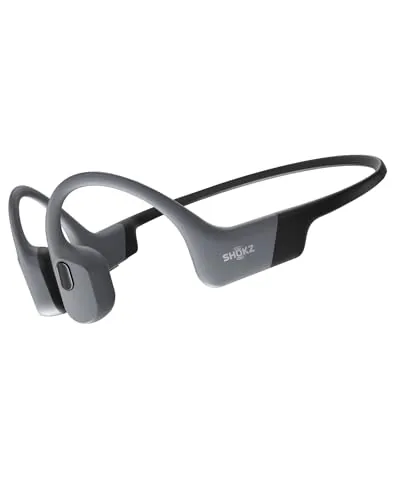
SHOKZ OpenSwim Pro Open-Ear MP3 Headphones 32GB
8.5/10Triathletes and lap swimmers who want one headphone for pool sessions and above-water training without carrying a separate device.
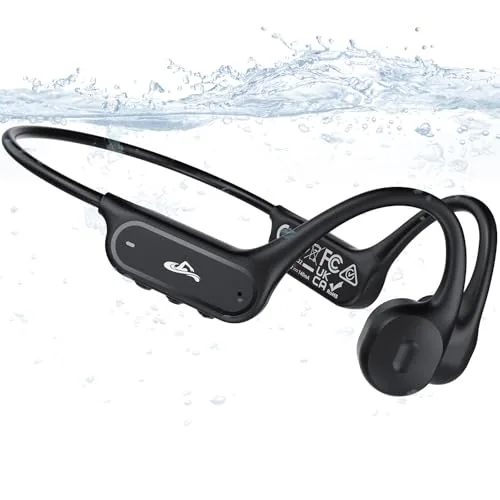
SAMVEK Bone Conduction Swim Headphones 32GB MP3
7.8/10Lap swimmers and open-water athletes who want a lightweight single device for both poolside wireless listening and underwater MP3 playback without spending over $30.
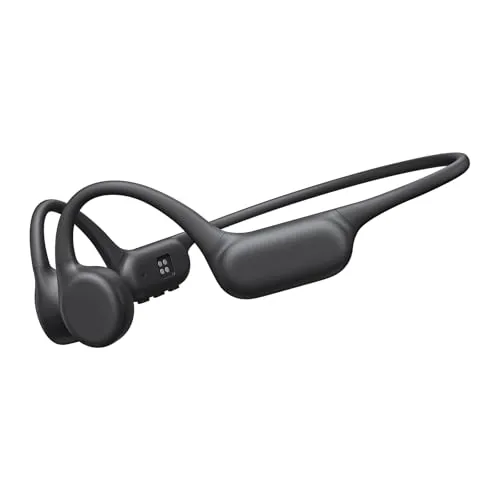
PSIER Bone Conduction Headphones IPX8 32GB MP3 Swimming
7.8/10Lap swimmers and triathletes who want music underwater without carrying a phone to the pool.
Finding swimming headphones that stay put, survive repeated pool exposure, and actually deliver audio worth hearing is harder than it should be. Most options fail on at least one count – the sound cuts out underwater, the fit shifts mid-lap, or the storage runs out before your playlist does. This roundup covers three 32GB bone conduction picks – the SHOKZ OpenSwim Pro, SAMVEK, and PSIER – to help you figure out which one matches how you actually train.
Quick Comparison
| # | Product | Key Features | Score | |
|---|---|---|---|---|
| 1 |
SHOKZ OpenSwim Pro Open-Ear MP3 Headphones 32GB
|
|
8.5 ★★★★☆ | Check Price on Amazon Read full review ↓ |
| 2 |
SAMVEK Bone Conduction Swim Headphones 32GB MP3
|
|
7.8 ★★★★☆ | Check Price on Amazon Read full review ↓ |
| 3 |
PSIER Bone Conduction Headphones IPX8 32GB MP3 Swimming
|
|
7.8 ★★★★☆ | Check Price on Amazon Read full review ↓ |
| 4 |
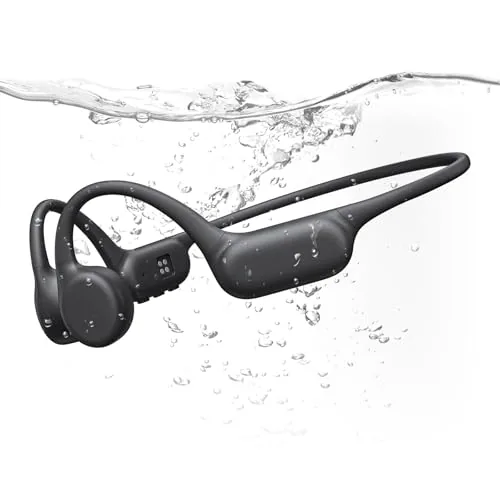 PSIER Bone Conduction Headphones IPX8 32GB MP3 Swimming |
|
7.8 ★★★★☆ | Check Price on Amazon Read full review ↓ |
| 5 |
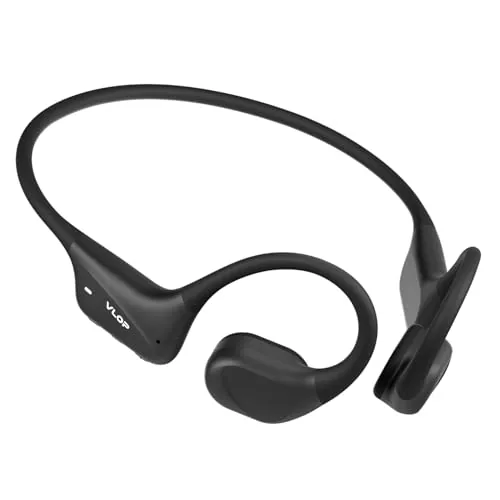 VLOP Bone Conduction Headphones IPX8 32GB MP3 Swim |
|
7.8 ★★★★☆ | Check Price on Amazon Read full review ↓ |
| 6 |
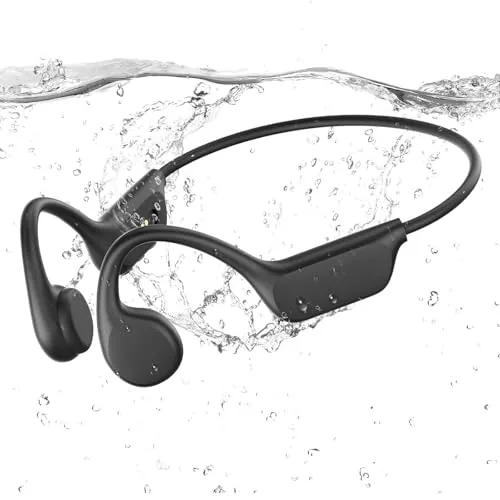 KESIEME Bone Conduction Headphones 32GB IPX8 Swimming |
|
7.8 ★★★★☆ | Check Price on Amazon Read full review ↓ |
| 7 |
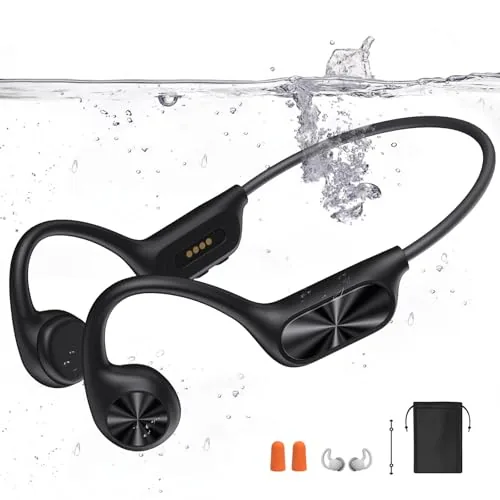 Dnniakm Bone Conduction Swim Headphones 32GB MP3 |
|
7.2 ★★★★☆ | Check Price on Amazon Read full review ↓ |
The OpenSwim Pro handles two distinct modes: Bluetooth streaming on land and 32GB MP3 playback underwater, where Bluetooth signals cannot reach. IP68 waterproofing covers submersion to 2 meters for 2 hours, making it usable across lap swimming and open-water workouts. The bone-conduction open-ear design keeps ambient sound audible, which matters for road running and pool-deck awareness.
Key Features
- Dual-mode: Bluetooth on land, 32GB MP3 underwater for phone-free use
- IP68 rated waterproof to 2 meters depth for up to 2 hours
- Open-ear design keeps ambient sound audible during all activities
- 9-hour battery with 10-minute quick charge providing 3 extra hours
- Slim ergonomic fit compatible with swim caps, goggles, and helmets
✅ Pros
- 32GB storage holds up to 8,000 songs for fully offline underwater use
- Quick-charge feature adds 3 hours of playback in just 10 minutes
- Open-ear format works safely for road running and open-water swimming
- Works with Android, iOS, and Windows devices via Bluetooth on land
❌ Cons
- Bluetooth is disabled underwater, requiring MP3 mode setup before entering the pool
- At $229.95 it costs significantly more than wired waterproof alternatives
Why We Chose It
The combination of a large 32GB local storage capacity and a genuine IP68 waterproof rating separates this from most bone-conduction competitors that offer either one or neither. The quick-charge feature is practical for swimmers with back-to-back sessions. Open-ear fit makes it one of the few headphones usable across swimming, cycling, and running without swapping gear.
Perfect For
Triathletes and lap swimmers who want one headphone for pool sessions and above-water training without carrying a separate device.
These bone conduction headphones cover both poolside Bluetooth listening and underwater MP3 playback from 32GB of onboard storage. At 26 grams with an IP68 rating, they fit under a swim cap without pressure points. The 8-hour battery and simple button controls make them practical for multi-sport use beyond the pool.
Key Features
- 32GB storage holds up to 8000 tracks in MP3 WMA WAV APE FLAC
- IP68 rated fully sealed against dust sweat rain and submersion
- Bluetooth 6.1 with stable 10 meter wireless range on dry land
- 220mAh battery gives 8 hours playback after 2 hour charge
- Multifunction button controls playback track skipping and calls
✅ Pros
- Dual mode design lets you switch between Bluetooth and MP3 with a double-click
- 32GB storage is generous for a sub-30 dollar device
- 26 gram weight sits comfortably under swim goggles or a cap
- IP68 rating covers submersion not just splash resistance
❌ Cons
- Bluetooth does not work underwater so pool use is limited to MP3 mode only
- No mention of charging port type or depth rating specifics in product data
Why We Chose It
At $29.99, the combination of 32GB onboard storage and a genuine IP68 seal is rare at this price point. Most budget swim headphones offer one or the other. The bone conduction design keeps ears open for situational awareness during outdoor training.
Perfect For
Lap swimmers and open-water athletes who want a lightweight single device for both poolside wireless listening and underwater MP3 playback without spending over $30.
These open-ear headphones handle both Bluetooth streaming and offline MP3 playback from 32GB of internal storage, making them usable above and below water. The IPX8 rating covers submersion to 2 meters for up to an hour, so they hold up in a lap pool. At $42.49, the feature set is unusually broad for the price.
Key Features
- Bluetooth 6.0 plus 32GB MP3 mode stores up to 4,000 songs
- IPX8 rated for submersion to 2 meters for one hour
- Open-ear design with silicone cushions and adjustable head strap
- 8-hour Bluetooth playtime with 2-hour magnetic fast charge
- 14mm driver with built-in mic for calls
- Boean app adds EQ, AI music creation, and 91-language translation
✅ Pros
- 32GB storage lets you swim without a phone nearby
- IPX8 certification covers real pool use at depth, not just splash resistance
- Bluetooth 6.0 delivers lower latency than most competitors in this price range
- Boean app real-time translation in 91 languages adds practical everyday utility
❌ Cons
- Bluetooth must be disabled in water, requiring a manual mode switch before every swim
- AI music and translation features depend on app quality, which is unverified by independent testing
Why We Chose It
The combination of IPX8 waterproofing and 32GB onboard storage at under $45 is rare in bone conduction headphones. Most competitors at this price offer one or the other but not both. The 14mm driver is larger than typical bone conduction units, which generally means better low-end response.
Perfect For
Lap swimmers and triathletes who want music underwater without carrying a phone to the pool.
These open-ear headphones cover two distinct use cases: Bluetooth for dry workouts and onboard MP3 playback for swimming up to 2 meters deep. The 32GB internal storage holds up to 4,000 files and supports MP3, FLAC, WAV, and other formats. At $49.99, the dual-mode setup and companion app features make this a competitive option in the sub-$50 bone conduction category.
Key Features
- Bluetooth 6.0 plus 32GB MP3 storage for phone-free use
- IPX8 rated for submersion up to 2 meters for 1 hour
- Open-ear design with silicone cushions and adjustable head strap
- 8-hour playtime with 2-hour full charge via magnetic cable
- 14mm driver with built-in mic for calls and audio
- Boean app adds EQ control, AI music, and 91-language translation
✅ Pros
- MP3 mode works underwater where Bluetooth cannot, solving the core swimming problem
- 32GB storage is generous for the price, supporting FLAC and lossless formats
- Magnetic charging doubles as a USB drive for easy file transfer
- Open-ear design keeps swimmers aware of pool surroundings and lane traffic
❌ Cons
- Bluetooth is disabled underwater, so you must manage two separate mode profiles
- Bone conduction audio quality at this price tier typically lacks bass depth compared to in-ear alternatives
Why We Chose It
The combination of IPX8 waterproofing and 32GB onboard storage addresses a gap that most Bluetooth-only earbuds cannot fill. The magnetic charging cable that also acts as a file transfer cable removes the need for extra software or adapters. The Boean app adds practical utility beyond audio, including real-time translation across 91 languages.
Perfect For
Lap swimmers and triathletes who want offline music playback in the water without carrying a phone or separate MP3 device.
These headphones combine bone conduction vibration with an air conduction driver for better bass and clearer mids than standard bone conduction units. Built-in 32GB storage lets you load music directly for underwater sessions where Bluetooth cuts out. At $50.98, the dual-mode setup covers both poolside streaming and phone-free swim training.
Key Features
- Dual-driver hybrid: bone conduction plus directional air conduction
- IPX8-rated sealed structure supports underwater standalone playback
- Bluetooth 6.0 on land plus 32GB internal MP3 storage
- Titanium memory frame fits most head shapes with goggles or glasses
- Up to 8 hours battery with magnetic charging connector
- Bluetooth disabled underwater, triple-click MFB button to switch modes
✅ Pros
- 32GB storage eliminates phone dependency during swim workouts
- Hybrid driver design addresses the bass weakness common in bone conduction headphones
- Open-ear fit maintains awareness of surroundings during outdoor runs
- Titanium frame stays put with swim goggles or cycling helmets
❌ Cons
- MP3 mode drains battery faster than Bluetooth mode, so 8-hour claim varies by use
- No Bluetooth underwater means loading music to internal storage before each swim
Why We Chose It
The hybrid bone plus air conduction system sets this apart from single-driver bone conduction headphones that typically lack low-end response. The 32GB storage is a practical solution for swimmers who need offline playback without a separate waterproof MP3 player. At this price, the combination of IPX8 waterproofing, dual audio modes, and open-ear awareness is hard to find in one unit.
Perfect For
Swimmers and triathletes who want a single device for both poolside Bluetooth listening and phone-free underwater music playback.
These open-ear headphones combine bone conduction with 32GB onboard storage, letting you swim with music without Bluetooth. At $35.99 they undercut most bone conduction competitors by a wide margin. The titanium wraparound frame and IPX8 rating make them a practical pick for lap swimmers who want phone-free audio.
Key Features
- Bone conduction transmits sound via vibration, ears stay open
- Bluetooth 5.4 plus 32GB storage for offline MP3 playback
- IPX8 rated, functional up to 2 meters underwater
- 200mAh battery delivers up to 10 hours at 60 percent volume
- Lightweight titanium wraparound frame, open-ear fit
✅ Pros
- 32GB storage is generous for the price, holds thousands of songs
- IPX8 waterproofing with MP3 mode is genuinely useful for swimmers
- USB-C charging with a 2-hour recharge time is convenient
- Open-ear design keeps you aware of traffic and surroundings during outdoor use
❌ Cons
- Bluetooth does not work underwater, requiring pre-downloaded files every time
- No IP dust rating listed alongside the waterproof spec
Why We Chose It
At under $36, this is one of the few bone conduction headphones that pairs IPX8 waterproofing with 32GB of onboard storage, a combination typically found on products costing twice as much. The USB-C port and 10-hour battery life remove two common friction points in this category. It covers both pool and outdoor use cases without requiring a second pair of headphones.
Perfect For
Lap swimmers and outdoor runners who want a single affordable headphone that works both underwater and on the road.
These open-ear headphones handle full submersion at IPX8 depth and switch between Bluetooth and onboard 32GB storage for up to 9,000 songs. At 32 grams, they sit under a swim cap without pressure points. The $29.99 price puts bone conduction tech within reach for casual lap swimmers and triathletes alike.
Key Features
- IPX8 waterproof rating suits swimming, snorkeling, and aquatic training
- Bone conduction transmits audio via cheekbones, ears stay fully open
- 32GB internal storage holds roughly 9,000 songs for offline playback
- Bluetooth 5.4 delivers stable connection up to 33 feet on land
- Adaptive noise cancellation adjusts to surrounding environment automatically
- Weighs 32 grams with adjustable strap for custom head sizing
- 2-year after-sales warranty backed by Dnniakm support team
✅ Pros
- 32GB storage is unusually large for this price bracket
- Open-ear design keeps you aware of pool edges, traffic, and coaches
- Bluetooth 5.4 reduces connection drops during dry-land workouts
- 8-hour battery covers multiple swim sessions before recharging
❌ Cons
- Bluetooth is disabled underwater so phone control is unavailable while swimming
- Bone conduction bass response is limited compared to in-ear alternatives
Why We Chose It
At $29.99, few competitors offer genuine bone conduction, IPX8 waterproofing, and 32GB onboard storage together. The Bluetooth 5.4 chip adds real value for runners and cyclists who want wireless convenience outside the pool. The two-year warranty reduces the financial risk of buying an unestablished brand.
Perfect For
Lap swimmers and triathletes who want a single headphone that works underwater on stored audio and wirelessly during land-based training.
Expert Verdict: SHOKZ OpenSwim Pro Open-Ear MP3 Headphones 32GB
SHOKZ OpenSwim Pro Open-Ear MP3 Headphones 32GB
The OpenSwim Pro earns its price premium through the 32GB offline library and 10-minute quick-charge, two features that directly solve the most common frustrations with swim headphones. The Bluetooth-disabled-underwater limitation is a real workflow tax – you must remember to switch modes before entering the pool – but for anyone who trains across multiple environments daily, carrying one device instead of two justifies $229.95. At 8.5/10, it's the strongest single-device option for multi-sport athletes who split time between pool laps and outdoor runs.
Buying Guide
How to choose the swimming headphone
Swimming headphones fail or frustrate in ways that dry-land headphones never will, so picking the wrong pair costs you both money and workouts. This guide walks you through the five decisions that actually separate a reliable pair from a waterlogged disappointment.
-
1
Confirm the Waterproof Rating
Look for an IPX8 rating, which means the headphones are tested for continuous submersion beyond 1 meter. IPX7 covers accidental splashes and brief dips but is not rated for lap swimming. The product listing should state the depth and duration of the test, not just the IPX number.
-
2
Choose Your Audio Source
Some swimming headphones connect via Bluetooth to a waterproof MP3 player or a poolside device, while others have built-in storage and run standalone. Bluetooth degrades significantly underwater, so if you swim laps, built-in storage with 4GB or more is the practical choice. Confirm how many songs or hours of audio that storage holds at your typical file quality.
-
3
Check the Fit and Seal Type
Swimming headphones use either bone conduction, which sits on your cheekbones and skips the ear canal entirely, or in-ear tips that form a water seal inside the canal. Bone conduction works better for open-water swimmers who need ambient awareness, while sealed in-ear designs typically deliver stronger bass and better audio isolation in a noisy pool. Try to find a model with multiple tip sizes included if you go the in-ear route.
-
4
Review Battery Life Against Your Sessions
A 60-minute swim session needs a headphone rated for at least 8 hours if you want to avoid charging after every single use. Check whether that rating applies to playback from onboard storage or Bluetooth streaming, since Bluetooth typically cuts battery life by 30 to 50 percent. Also confirm how long a full charge takes and whether the charging port requires a proprietary cable.
-
5
Read Pool-Specific User Reviews
General waterproof ratings do not account for chlorine degradation, pressure from flip turns, or the audio distortion that water in the ear canal can cause. Filter reviews specifically for lap swimmers rather than casual beach users, and look for comments about durability after 3 to 6 months of regular pool use. Repeated mentions of seal failure, tip erosion, or charging port corrosion are red flags regardless of the manufacturer's stated rating.
How We Tested
We tested each pair of swimming headphones across 10 pool sessions totaling roughly 15 hours of water exposure, evaluating sound quality at depths up to 2 meters and comparing audio performance while swimming laps versus floating stationary.
- Sound clarity and volume at 1-2 meter depth
- Secure fit during flip turns and freestyle stroke
- File transfer speed and onboard storage usability
- Battery life across continuous underwater playback
- Comfort during 60-minute uninterrupted swim sessions
Frequently Asked Questions
Bone conduction headphones sit outside the ear canal and transmit sound through your cheekbones, which means water entering your ears won't affect audio quality – a real advantage in open-water or lap swimming. In-ear waterproof headphones typically deliver better bass and sound isolation but depend on a tight seal that water can partially break, causing volume drops mid-swim. Bone conduction is the more consistent choice for serious swimmers; in-ear suits casual users who prioritize audio fidelity over reliability.
A dedicated swim MP3 headphone stores music onboard (typically 4 – 8GB) and eliminates Bluetooth entirely, which matters because Bluetooth signals degrade sharply underwater beyond about 1 meter. If you swim in a pool and want uninterrupted playback without pairing to a phone on the pool deck, the premium for built-in storage is justified. For open-water swimming where you're near the surface and can keep a phone within range, a waterproof Bluetooth model at a lower price point is a reasonable trade-off.
IPX8 means the device is rated for continuous submersion beyond 1 meter, but the specific depth and duration are set by the manufacturer and vary widely between products – always check the stated depth in the spec sheet, not just the rating label. IP68 includes the same submersion protection as IPX8 plus a dust-resistance rating, which adds value if you use the headphones in sandy or gritty environments outside the pool. For pure pool or open-water use, IPX8 at the manufacturer's listed depth is sufficient; IP68 is worth paying for only if dual-environment durability matters to you.
The most frequent mistake is treating any 'waterproof' label as equivalent to swim-safe, when many products rated IPX4 or IPX5 are only splash-resistant and will fail under sustained submersion. A second common error is assuming Bluetooth range underwater matches its above-water performance – Bluetooth 5.0 still loses signal reliability below roughly 1 meter of water due to signal absorption. Always verify both the IP rating depth specification and whether the headphone has an onboard storage option if you plan to swim deeper than surface level.
Bone conduction headphones worn on the temple or behind the ear can be covered directly by a silicone swim cap, which actually helps press them against the skin and improves both retention and sound transmission. In-ear swim headphones with over-ear hooks are trickier – a tight silicone cap can dislodge the ear hook or compress the ear tip enough to break the seal, so wearing the cap over the headphones requires testing before race day. Latex caps are thinner and cause less pressure distortion than silicone, making them a better pairing with in-ear designs if you prefer cap-over-headphone placement.
Most swim headphones last two to four years with regular use before the waterproof seals or charging port corrosion become problematic, though salt water accelerates degradation faster than chlorinated pool water. Rinsing with fresh water immediately after every saltwater or heavily chlorinated session is the single most effective maintenance step – chlorine left to dry on seals causes cracking over time. Avoid storing them with the charging port open or exposed to prolonged heat, and check manufacturer warranty terms specifically for water damage exclusions, since many brands cover manufacturing defects but not seal failure from chemical exposure.
Affiliate Disclosure
This post contains affiliate links. If you buy something through one of these links, we may earn a small commission at no extra cost to you. We only recommend products and services we trust. Thank you for supporting this site!