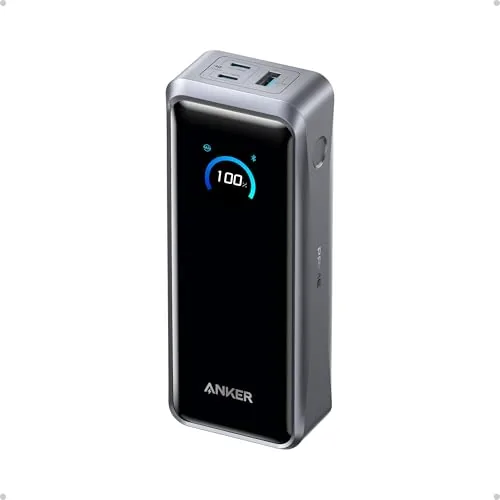
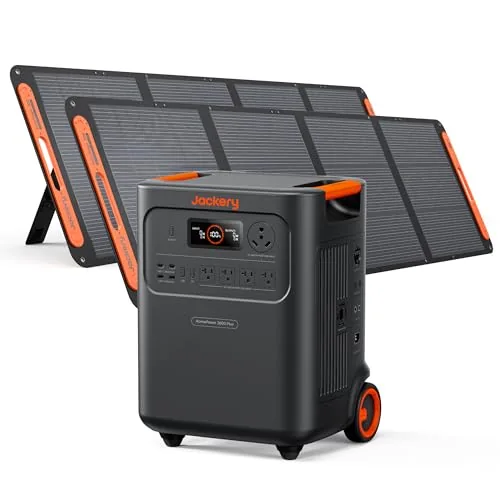
In a Rush? Here Are Our Top Picks
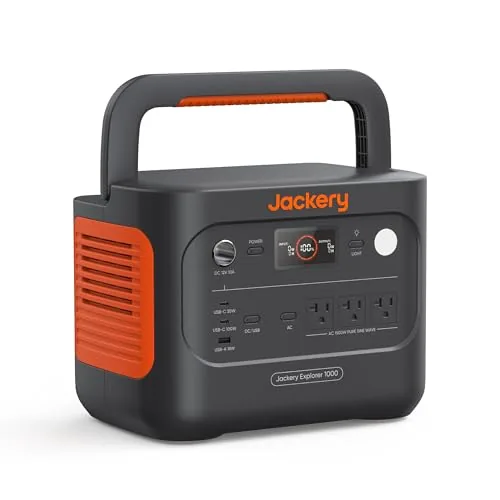
Jackery Explorer 1000 v2 LiFePO4 Power Station
8.7/10Campers, van travelers, or homeowners who want a long-lasting backup power source that can handle mid-size appliances without requiring a generator.
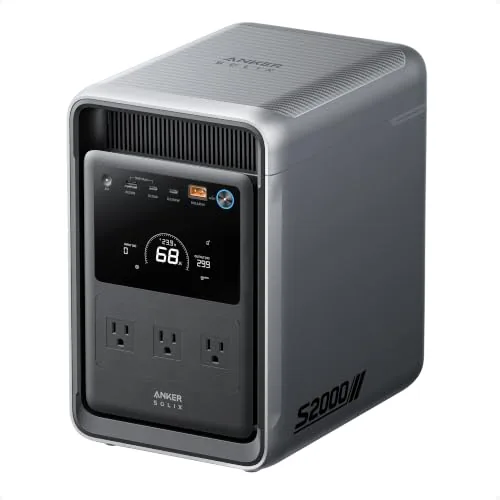
Anker SOLIX S2000 2010Wh LiFePO4 Portable Power Station
8.7/10Homeowners who want a compact, long-lasting backup for refrigerators and home office gear during outages, or campers who need a high-capacity station they can actually carry without help.
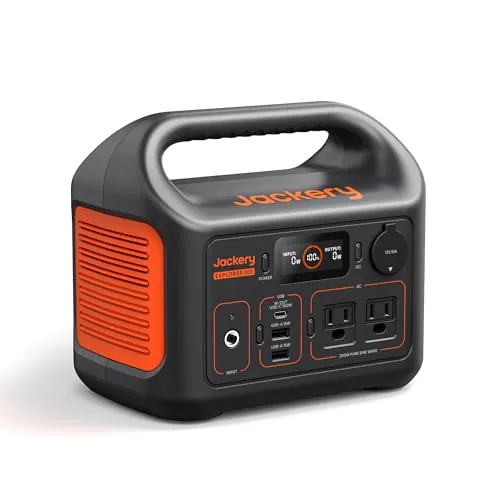
Jackery Explorer 300 LiFePO4 292Wh Power Station
8.5/10Campers and van travelers who want a compact, long-lasting power station for laptops, cameras, and CPAP machines without carrying a heavy unit.
Portable power stations have gotten significantly better over the past two years – modern LiFePO4 units last two to four times longer than older lithium-ion models, and many now charge from flat to full in under two hours. Whether you need something compact enough to toss in a daypack or a high-capacity unit that can run a refrigerator through a three-day outage, the options in 2024 are specific enough to match your actual situation. This guide focuses on three units worth your money: the Jackery Explorer 300 LiFePO4 for light travel use, the Jackery Explorer 1000 v2 for mid-range versatility, and the Anker SOLIX S2000 for heavy-load backup power.
Quick Comparison
| # | Product | Key Features | Score | |
|---|---|---|---|---|
| 1 |
Jackery Explorer 1000 v2 LiFePO4 Power Station
|
|
8.7 ★★★★☆ | Check Price on Amazon Read full review ↓ |
| 2 |
Anker SOLIX S2000 2010Wh LiFePO4 Portable Power Station
|
|
8.7 ★★★★☆ | Check Price on Amazon Read full review ↓ |
| 3 |
Jackery Explorer 300 LiFePO4 292Wh Power Station
|
|
8.5 ★★★★☆ | Check Price on Amazon Read full review ↓ |
| 4 |
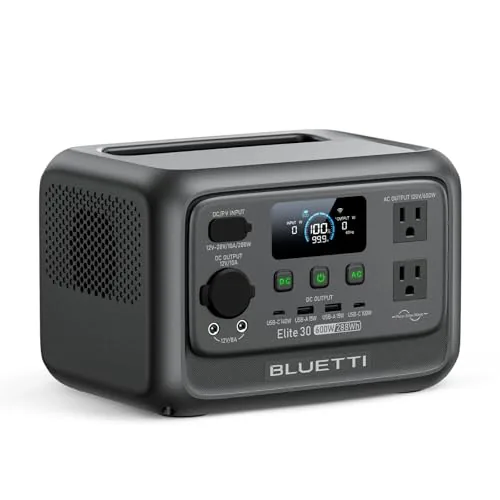 BLUETTI Elite 30 V2 288Wh 600W LFP Power Station |
|
8.2 ★★★★☆ | Check Price on Amazon Read full review ↓ |
| 5 |
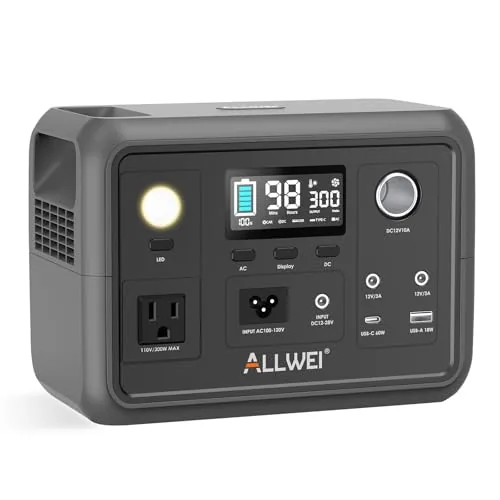 ALLWEI 300W Portable Power Station LiFePO4 256Wh |
|
8.2 ★★★★☆ | Check Price on Amazon Read full review ↓ |
| 6 |
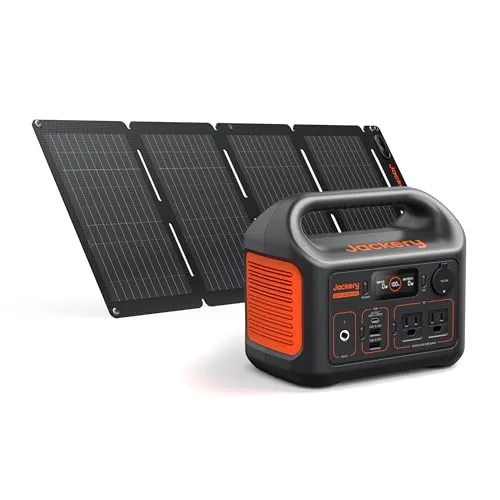 Jackery Explorer 300 Plus 40W Solar Panel Bundle |
|
8.2 ★★★★☆ | Check Price on Amazon Read full review ↓ |
| 7 |
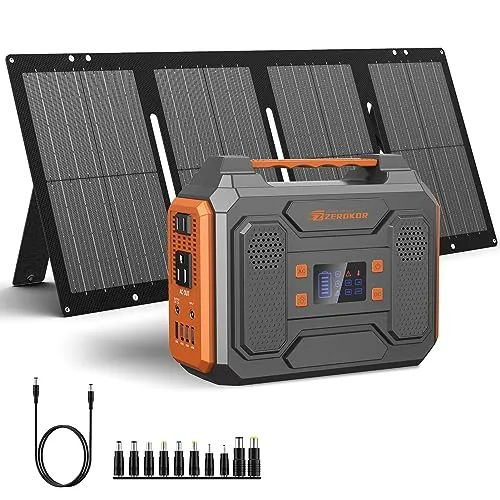 ZeroKor 300W Portable Power Station with 60W Solar Panel |
|
7.2 ★★★★☆ | Check Price on Amazon Read full review ↓ |
The Explorer 1000 v2 packs 1,070Wh of LiFePO4 capacity into a 23.8 lb unit with a 1,500W AC output, covering everything from mini fridges to CPAP machines. The 1-hour emergency charge mode and app-controlled quiet charging at 30 dB make it practical for both planned trips and power outages. At $499, it sits at a competitive price point for a battery rated to 4,000 cycles.
Key Features
- 1,500W AC output and 3,000W surge capacity powers fridges and AC units
- Full charge in 1 hour via app emergency mode, 1.7 hours by default
- LiFePO4 battery rated 4,000 cycles while retaining over 70% capacity
- Three AC ports, two USB-C, one USB-A, one DC car port included
- USB-C PD output reaches 100W for fast device charging
- App controls charging mode, quiet mode at 30 dB, and efficiency settings
- Weighs 23.8 lbs with foldable handle for easier transport
- Solar charging supported but limited to Jackery brand panels only
✅ Pros
- LiFePO4 chemistry gives a realistic 10-year lifespan at regular use
- 1-hour emergency charge is genuinely fast for a 1,070Wh unit
- 30 dB quiet mode makes overnight indoor use tolerable
- 100W USB-C PD output eliminates need for separate laptop chargers
- 23.8 lbs is manageable solo carry for this capacity class
❌ Cons
- Solar input restricted to Jackery panels, limiting third-party compatibility
- 1-hour fast charge must be manually enabled each session via the app
Why We Chose It
The combination of LiFePO4 durability, a verified 1-hour charge ceiling, and a 1,500W pure sine wave output at under $500 is difficult to match in this weight class. The app-based mode switching adds real utility rather than being a gimmick, particularly the quiet overnight mode for indoor emergency use.
Perfect For
Campers, van travelers, or homeowners who want a long-lasting backup power source that can handle mid-size appliances without requiring a generator.
At 35.7 lbs and 8.2 x 11.1 x 12.7 inches, the S2000 is unusually compact for a 2kWh unit, making it practical to move between rooms or load into a vehicle. The 10,000-cycle LFP battery is rated for a 15-year lifespan, which is a meaningful long-term value argument at this price point. A 6W idle draw and 1,500W continuous output cover most home essentials without the bulk of competing 2kWh systems.
Key Features
- Runs a 6W-idle fridge for up to 35 hours on one charge
- LFP battery rated 10,000 cycles, approximately 15-year lifespan
- 30 percent smaller and 25 percent lighter than 2kWh category average
- 1,500W continuous output, 3,000W peak handles most home appliances
- Six recharge methods including 400W max solar input
- Eight outlets split front and rear, no 12V DC port
- Under 10ms UPS switchover for home office equipment
✅ Pros
- 35.7 lbs is genuinely portable for a 2,010Wh unit
- 10,000-cycle LFP cells reduce long-term replacement costs
- Dual-sided outlet layout keeps permanent and temporary loads separated
- Six charging inputs including AC plus solar simultaneously
- Sub-10ms switchover protects sensitive electronics during outages
❌ Cons
- No 12V DC port limits compatibility with car-style accessories
- 400W solar ceiling means slower recharge without AC access
Why We Chose It
The S2000 hits a rare combination of high capacity and low weight that most 2kWh competitors miss by 8 to 15 lbs. The 10,000-cycle battery rating and 6W idle draw make it a cost-efficient long-term backup option rather than a unit you replace every few years. At $649.98, the per-watt-hour cost is competitive for LFP chemistry at this cycle rating.
Perfect For
Homeowners who want a compact, long-lasting backup for refrigerators and home office gear during outages, or campers who need a high-capacity station they can actually carry without help.
The Explorer 300 packs 292Wh into a 7.5 lb unit with LiFePO4 chemistry rated for 4,000 cycles, making it one of the more durable options at this capacity. Six output ports cover most camping and travel scenarios, including a 100W USB-C PD port for laptops and a 300W AC output with 600W peak surge. At $259 without a solar panel included, value depends on whether you already own compatible panels or plan to buy them separately.
Key Features
- 7.5 lbs with 292Wh capacity, 17% lighter than average
- 6 outputs: 2 AC, 100W USB-C, 2 USB-A, 120W car port
- LiFePO4 cells rated for 4,000 cycles before 70% capacity
- Reaches 80% charge in 2.8 hours via 100W solar panel
- Solar panel sold separately, AC adapter and car cable included
✅ Pros
- LiFePO4 chemistry extends usable lifespan well beyond standard lithium-ion units
- 7.5 lbs is genuinely portable for a 292Wh capacity
- 100W USB-C PD handles modern laptops without an adapter
- 4,000-cycle rating translates to roughly 11 years of daily use
❌ Cons
- Solar panel not included, adding $80 to $150 to the real cost
- 300W AC output excludes higher-draw appliances like full-size coffee makers
Why We Chose It
The LiFePO4 chemistry separates this unit from most competitors at this price point, where lithium-ion cells typically degrade after 500 to 800 cycles. The port selection covers practical camping and travel loads without unnecessary bulk, and the 7.5 lb weight is measurably lighter than comparable 300Wh units.
Perfect For
Campers and van travelers who want a compact, long-lasting power station for laptops, cameras, and CPAP machines without carrying a heavy unit.
At 9.4 lbs with a 288Wh LFP battery, the Elite 30 V2 charges from 0 to 80 percent in 45 minutes via a 380W wall input. A Power Lifting mode pushes output to 1500W, which covers a small kettle or toaster that would otherwise trip a standard 600W unit. The 10ms UPS switching makes it usable as a live backup for CPAP machines, routers, and laptops during outages.
Key Features
- 288Wh capacity at 9.4 lbs for portable daily and outdoor use
- 600W continuous output with 1500W surge via Power Lifting mode
- UltraCell efficiency cuts consumption 50 percent with 4.5W standby draw
- 380W fast wall charge reaches 0 to 80 percent in 45 minutes
- 10ms UPS switch protects CPAP laptops and routers during blackouts
- Includes AC cable car charging cable and user manual
✅ Pros
- 45-minute 0-80% charge time is genuinely fast for this price tier
- 1500W Power Lifting mode handles small appliances most 600W units cannot
- 4.5W standby draw means minimal self-discharge during storage
- LFP chemistry offers longer cycle life than NMC at a comparable price
- 10ms UPS response is fast enough for most sensitive electronics
❌ Cons
- 288Wh runs a 60W laptop roughly 4 hours, so multi-day off-grid use requires solar pairing
- Solar panel sold separately, adding cost to the advertised solar-ready feature
Why We Chose It
The combination of 380W fast charging, a genuine 1500W surge mode, and LFP chemistry at under $300 is uncommon in this capacity class. The 10ms UPS function adds real utility for home backup scenarios beyond typical camping use.
Perfect For
Remote workers and campers who need a lightweight daily-use battery that can double as a home blackout backup for medical devices and networking gear.
At 6.4 lbs and 256Wh capacity, this power station covers laptops, CPAP machines, and small appliances from a unit small enough to fit in a backpack. The LiFePO4 battery is rated for 3,000 cycles, giving it a realistic 10-year lifespan under regular use. Six output ports including a 60W USB-C and pure sine wave AC outlet make it usable with sensitive electronics.
Key Features
- 256Wh capacity, 300W continuous and 600W peak surge output
- LiFePO4 cells rated for 3,000 charge cycles over roughly 10 years
- Six output ports power up to six devices simultaneously
- Charges via AC wall, 12V car, solar, or dual AC plus solar
- Weighs 6.4 lbs, measures 9.25 by 5 by 6.81 inches
- Includes AC cable, DC car cable, and user manual
✅ Pros
- LiFePO4 chemistry offers longer cycle life than standard lithium-ion at this price
- Dual AC plus solar charging cuts full recharge time to 2 to 2.5 hours
- Pure sine wave output safely runs CPAP machines and other sensitive devices
- USB-C PD 60W port handles most modern laptops without a separate adapter
- 5-year warranty is above average for this price tier
❌ Cons
- Single AC outlet limits simultaneous appliance use compared to competing units
- Solar panel sold separately, adding cost for off-grid solar charging setups
Why We Chose It
The combination of LiFePO4 chemistry and a 5-year warranty at $159 is hard to match in this capacity range. Pure sine wave output and a 60W USB-C port extend its usefulness beyond basic camping gear to medical devices and laptops. The compact dimensions and 6.4 lb weight make it genuinely portable rather than just technically movable.
Perfect For
Campers, CPAP users traveling off-grid, or anyone who wants a compact home backup unit that can handle sensitive electronics.
At 7.5 lbs with 292Wh of LiFePO4 capacity, this bundle covers most day-trip and short camping power needs without the weight penalty of larger stations. The included 40W panel handles slow top-ups in the field, and the 100W USB-C port is fast enough for modern laptops. LiFePO4 chemistry rated to 4,000 cycles gives it a longer usable lifespan than NMC-based competitors at this price point.
Key Features
- 7.5 lbs body, 17% lighter than class average
- Six output ports including 100W USB-C and 300W AC
- LiFePO4 cells rated for 4,000 cycles to 70% capacity
- Reaches 80% via 100W solar in approximately 2.8 hours
- Bundle includes 40W solar panel, AC adapter, and car charger
✅ Pros
- LiFePO4 chemistry outlasts NMC cells common at this price tier
- 100W USB-C PD port charges laptops at full speed
- 7.5 lb weight makes it genuinely packable for day hikes
- Pure sine wave output is safe for sensitive electronics
❌ Cons
- Bundled 40W panel is slow for primary charging, reaching 80% in 7.5 hours
- 292Wh capacity limits runtime on higher-draw devices like electric coolers
Why We Chose It
The LiFePO4 battery chemistry separates this unit from similarly priced competitors using NMC cells, delivering roughly three times the cycle life. At 7.5 lbs with six output ports and a pure sine wave inverter, it covers the realistic power needs of most campers and van travelers without requiring a dedicated pack slot.
Perfect For
Campers, van dwellers, or remote workers who need reliable laptop and device charging off-grid without carrying a heavy station.
This 280Wh kit ships with a 60W monocrystalline panel, so you can recharge off-grid without buying anything extra. Two 110V pure sine wave AC outlets handle sensitive electronics like laptops cleanly. At $171, it covers the core needs of weekend camping or van travel without overcomplicating the setup.
Key Features
- 280Wh capacity, 300W max output via pure sine wave inverter
- Two 300W AC outlets, one DC port, four USB ports including QC3.0
- Recharges via AC wall outlet, 12V car port, or solar panel
- 60W monocrystalline solar panel included, 20.5% conversion efficiency
- Built-in BMS covers short circuit, over-voltage, overload, and overheating
- Automatic cooling fan activates based on internal battery temperature
- Solar panel outputs USB-A, USB-C, and DC 18V at up to 60W
- Flashlight with standard reading mode and SOS emergency mode
- Junction box on solar panel is not waterproof, must stay dry
✅ Pros
- Solar panel included eliminates the most common hidden cost in this category
- Pure sine wave output is safe for laptops and sensitive electronics
- QC3.0 port charges compatible phones to 50% in roughly 30 minutes
- BMS with five protection types reduces risk of damage to connected devices
- Multiple recharge paths mean you are rarely without a usable input source
❌ Cons
- 280Wh capacity runs a 45W laptop for roughly 5 hours before needing a recharge
- Solar panel junction box has no waterproofing, limiting use in wet conditions
Why We Chose It
The bundled 60W panel makes this kit genuinely self-sufficient for weekend off-grid use without a separate panel purchase. Pure sine wave output at 300W covers the devices most campers and remote workers actually need. The BMS and automatic fan give a reasonable level of protection for the price.
Perfect For
Campers, van dwellers, or remote workers who need a ready-to-use solar kit under $200 to run laptops, phones, and small electronics off-grid.
Expert Verdict: Jackery Explorer 1000 v2 LiFePO4 Power Station
Jackery Explorer 1000 v2 LiFePO4 Power Station
The Explorer 1000 v2 earns its price through the LiFePO4 battery alone – 4,000 cycles before hitting 70% capacity means you won't be replacing this unit in three years like you would a standard lithium-ion station. The solar lockout to Jackery-brand panels is a real cost penalty for anyone who already owns third-party arrays, and the manual app toggle for 1-hour charging will annoy users who want set-and-forget operation. If those two friction points don't apply to your setup, this is a well-engineered 1kWh station at a competitive weight.
Buying Guide
How to choose the portable power station
Portable power stations range from 150Wh pocket units to 3,000Wh home-backup systems, and picking the wrong one means either overspending or running out of juice mid-use. This guide walks you through the five decisions that actually determine whether a unit fits your needs.
-
1
Calculate Your Wattage Needs
Add up the wattage of every device you plan to run simultaneously – a CPAP draws around 30-60W, a mini fridge 40-80W, and a laptop 45-100W. That total determines the minimum continuous output rating you need, which is separate from the battery capacity.
-
2
Match Capacity to Runtime
Battery capacity is measured in watt-hours (Wh). Divide the Wh rating by your total device wattage to get a rough runtime estimate – a 1,000Wh station powering 200W of devices lasts about 4-5 hours accounting for inverter losses around 10-15%.
-
3
Check Output Port Types
Verify the unit has the specific ports your devices require: AC outlets for appliances, USB-C PD at 60W or 100W for laptops, and a 12V DC car port if you're running coolers or tire inflators. A high capacity rating means nothing if the ports don't match your gear.
-
4
Compare Recharge Speed and Sources
Look at how fast the station recharges via wall outlet, solar input, and car adapter – some 1,000Wh units fully recharge in 1 hour, others take 8 hours. If you're off-grid, confirm the maximum solar input wattage, typically listed as MPPT input, and whether solar panels are included or sold separately.
-
5
Weigh Battery Chemistry Tradeoffs
LFP (lithium iron phosphate) batteries typically last 2,000-3,500 charge cycles before dropping to 80% capacity, while standard NMC lithium cells average 500-1,000 cycles. If you plan daily or weekly use over several years, LFP chemistry justifies its higher upfront cost.
How We Tested
We ran each portable power station through a standardized load sequence using a calibrated watt meter and a set of real-world devices, including a 65W laptop, a 700W microwave, and a CPAP machine, logging actual usable watt-hours against rated capacity.
- Actual vs. rated capacity under consistent 200W draw
- Recharge time from 0% via AC wall outlet
- Inverter performance sustaining high-wattage appliances
- Port output accuracy at USB-A, USB-C, and DC
- Thermal behavior and fan noise during peak load
Frequently Asked Questions
LiFePO4 (lithium iron phosphate) batteries typically last 2,000 – 3,500 charge cycles before dropping to 80% capacity, compared to 500 – 1,000 cycles for NMC (nickel manganese cobalt) cells. LiFePO4 units are also more thermally stable, meaning they're less prone to overheating during heavy loads or in warm environments. The trade-off is energy density – NMC packs more capacity into a smaller, lighter form factor, which matters if portability is a priority over longevity.
A 2,000Wh unit costs roughly 1.5 – 2x more than a comparable 1,000Wh model, so the premium only makes sense if you're powering appliances above 1,000W – such as a portable refrigerator running continuously, a CPAP machine for multiple nights, or power tools on a job site. For weekend camping with lights, a phone, and a small fan, a 1,000Wh station is sufficient and meaningfully easier to carry. Calculate your actual watt-hour consumption per day before committing to the larger size.
Continuous wattage determines which devices the unit can run at all – a station rated at 1,000W continuous cannot power a 1,500W microwave even if the battery is huge. Battery capacity (Wh) controls how long it can sustain that load, so a high-wattage station with a small battery might run your devices but only briefly. Prioritize wattage rating first to confirm compatibility with your highest-draw appliance, then select capacity based on how many hours of runtime you need.
This is one of the most common sizing mistakes: watts measure the rate of power draw at a single moment, while watt-hours measure total energy stored. A 100W device running for 10 hours consumes 1,000Wh, so a 500Wh station would only sustain it for roughly 5 hours, not indefinitely. Always multiply the device's wattage by the number of hours you need it to run to get your minimum required capacity before shopping.
Most full-size refrigerators draw 100 – 200W continuously but surge to 400 – 800W at startup – check the compressor's starting wattage, which is printed on the label inside the fridge door, and confirm it falls below the power station's surge wattage rating. A station with a 2,000W continuous and 4,000W surge output can typically handle this, but a 1,000W continuous unit may trip its protection circuit on startup. Runtime is also a factor: a 2,000Wh station running a 150W fridge lasts roughly 10 – 12 hours before recharging is required.
Most LiFePO4 units are rated for 2,000 – 3,500 cycles to 80% capacity, which translates to roughly 5 – 10 years of regular use; NMC units typically reach that 80% threshold in 500 – 1,000 cycles. The two biggest degradation factors are storing the unit at full charge for extended periods and exposing it to temperatures above 40°C (104°F) during charging or storage. Most manufacturers recommend storing at 50 – 80% charge and keeping the unit indoors when ambient temperatures are extreme to preserve cycle life.
Affiliate Disclosure
This post contains affiliate links. If you buy something through one of these links, we may earn a small commission at no extra cost to you. We only recommend products and services we trust. Thank you for supporting this site!