In a Rush? Here Are Our Top Picks
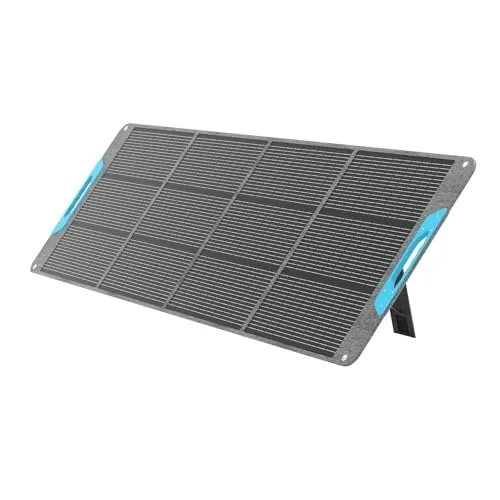
Renogy 200W N-Type Foldable Solar Panel 25% Efficiency
8.5/10Car campers and RV travelers who need a reliable 200W panel they can carry solo and charge devices without a separate power station.
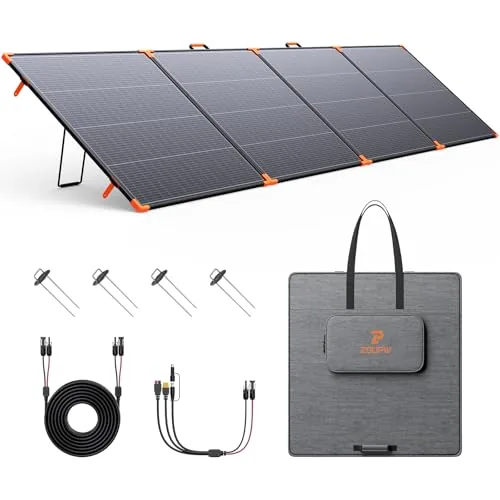
ZOUPW 480W Bifacial N-Type Portable Solar Panel
8.3/10RV travelers and overlanders who need high wattage solar charging without roof mounts or heavy panel stacks.
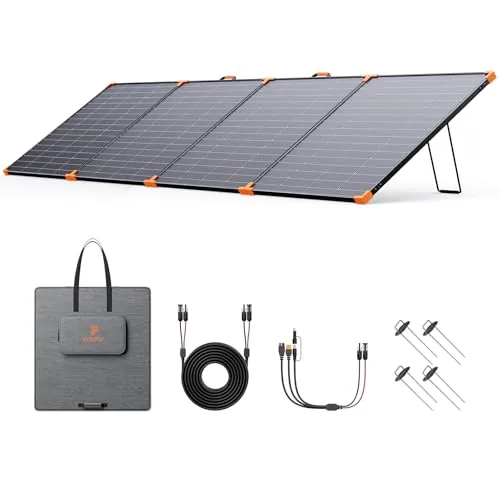
ZOUPW 450W N-Type 16BB Foldable Solar Panel
8.3/10RV owners and overlanders running high-capacity power stations of 2kWh or more who want a single panel that delivers near-rigid-panel output without the weight.
Choosing a portable solar panel comes down to three variables that most buyers get wrong: wattage relative to actual pack weight, real-world efficiency versus lab-rated specs, and whether the panel’s output connectors match your existing charge controller. This roundup focuses on three high-output options – the Renogy 200W N-Type Foldable at 25% efficiency, the ZOUPW 480W Bifacial N-Type, and the ZOUPW 450W N-Type 16BB – all sitting in the upper tier of portable wattage currently available. If you’re running a van build, base camp setup, or backup home power system, the differences between these panels will determine whether you’re topping off your battery bank by noon or waiting until late afternoon.
Quick Comparison
| # | Product | Key Features | Score | |
|---|---|---|---|---|
| 1 |
Renogy 200W N-Type Foldable Solar Panel 25% Efficiency
|
|
8.5 ★★★★☆ | Check Price on Amazon Read full review ↓ |
| 2 |
ZOUPW 480W Bifacial N-Type Portable Solar Panel
|
|
8.3 ★★★★☆ | Check Price on Amazon Read full review ↓ |
| 3 |
ZOUPW 450W N-Type 16BB Foldable Solar Panel
|
|
8.3 ★★★★☆ | Check Price on Amazon Read full review ↓ |
| 4 |
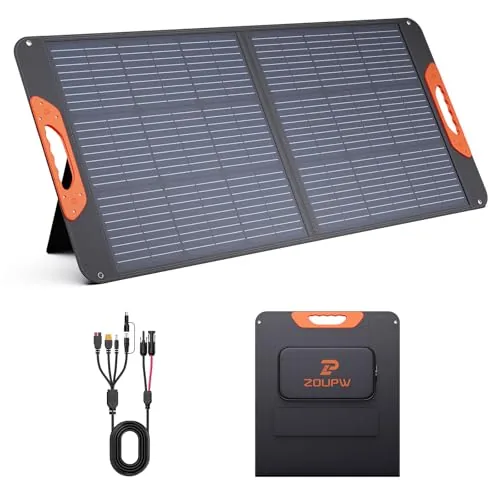 ZOUPW 100W Foldable Solar Panel with 5-in-1 Cable |
|
8.2 ★★★★☆ | Check Price on Amazon Read full review ↓ |
| 5 |
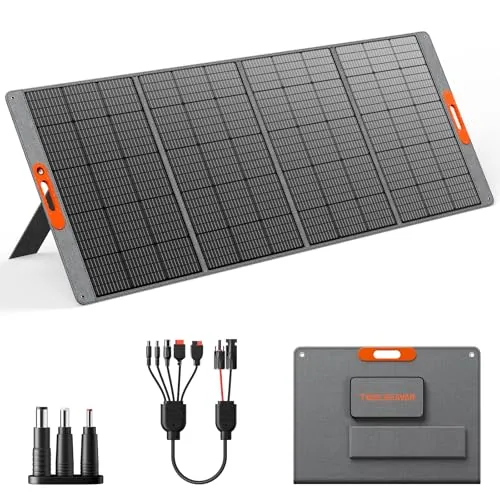 TWELSEAVAN 400W Foldable Solar Panel ETFE MC4 |
|
8.2 ★★★★☆ | Check Price on Amazon Read full review ↓ |
| 6 |
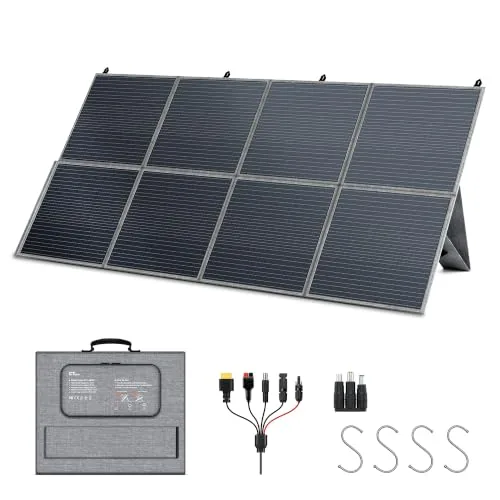 CTOLITY 400W Foldable Solar Panel with Multi-Output |
|
7.8 ★★★★☆ | Check Price on Amazon Read full review ↓ |
The Renogy 200W uses N-type cells rated at 25% efficiency, which outperforms most competing panels in the same weight class. At 13.89 lb it folds to roughly backpack dimensions, making it practical for car camping, RV use, or emergency backup. Built-in USB-C PD 45W and dual USB-A ports let you charge devices directly without a power station.
Key Features
- N-type 16BB cells rated at 25% solar efficiency
- Folds to 23.72 x 22.99 x 1.97 in, weighs 13.89 lb
- Magnetic closure keeps panel secured when folded
- USB-C PD 45W and dual USB-A charge up to 3 devices
- MC4 output compatible with major power station brands
- UL 61730 certified with CE, RoHS, FCC, and CA65 listings
- Four kickstands adjust to 40, 50, or 60 degree angles
- Reinforced grommets and accessory pouch included
✅ Pros
- 25% efficiency N-type cells generate more watts per square foot than most portable panels in this price range
- 13.89 lb weight and magnetic fold make it genuinely portable for one-person carry
- Direct USB-C PD 45W output removes the need for a power station when charging phones or laptops
- Four adjustable kickstands at three angle settings improve output on uneven or wind-prone ground
- UL 61730 certification provides independent safety verification
❌ Cons
- MC4 adapter for power stations sold separately, adding cost and a part to keep track of
- No built-in battery means zero power output after dark or in prolonged overcast conditions
Why We Chose It
The 25% efficiency rating on N-type cells is a concrete performance advantage over budget panels using older PERC technology, which typically cap at 20 to 23%. The combination of direct USB charging, a genuine carry weight under 14 lb, and third-party UL certification makes this a well-rounded option at the $220 price point.
Perfect For
Car campers and RV travelers who need a reliable 200W panel they can carry solo and charge devices without a separate power station.
The ZOUPW 480W uses N-Type 16BB cells rated at 25% efficiency, making it one of the more capable portable panels at this wattage. At 22.5 lbs it is significantly lighter than glass-panel alternatives, and the bifacial design can recover up to 30% additional output on reflective surfaces like snow or sand. IP68 waterproofing and a 36-month warranty add practical durability for extended off-grid use.
Key Features
- N-Type 16BB cells deliver 25% conversion efficiency
- Bifacial design adds up to 30% output on reflective ground
- Weighs 22.5 lbs, 66% lighter than comparable glass panels
- 42.5V architecture compatible with large portable power stations
- IP68 rated, handles rain and heat up to 140 degrees F
- Includes storage bag, 13ft extension cable, and ground stakes
- Not recommended for long-term fixed or series-parallel wiring
✅ Pros
- 25% cell efficiency is above average for portable panels in this class
- 22.5 lbs makes solo setup and transport realistic for one person
- Bifacial gain on snow or sand meaningfully offsets the price premium
- IP68 rating holds up to real weather without a protective enclosure
- 36-month warranty is longer than most competitors at this price point
❌ Cons
- At $599.99 the per-watt cost is high compared to fixed residential panels
- Manufacturer advises against series or parallel connections, limiting array expansion
Why We Chose It
The combination of N-Type cell technology, bifacial construction, and a sub-23-lb weight is uncommon at 480W output. Most competing panels at this wattage use heavier glass and older PERC cells. The 42.5V output voltage makes it directly usable with high-capacity stations like the EcoFlow Delta Pro without a separate voltage converter.
Perfect For
RV travelers and overlanders who need high wattage solar charging without roof mounts or heavy panel stacks.
A 450W portable solar panel built around N-Type monocrystalline cells with a 16-busbar layout, targeting efficiency losses that affect older P-Type panels. At 29.5 lbs it is notably lighter than most rigid panels in this wattage class, and the 4-in-1 adapter cable covers the major high-capacity power station brands out of the box. The 45.9V open-circuit voltage means it only pairs with stations rated for 40-60V input, so compatibility requires a quick check before buying.
Key Features
- N-Type 16BB monocrystalline cells rated at 25% efficiency
- 45.9V open-circuit voltage targets 40-60V input power stations only
- Fiberglass construction cuts weight to 29.5 lbs versus rigid panel alternatives
- Four adjustable kickstands lock at 45 degrees for angle optimization
- IP68-rated ETFE lamination resists rain dust and marine spray
- Smart bypass diodes maintain output under partial shading conditions
- Includes 4-in-1 adapter cable covering XT-60 Anderson DC7909 and DC8020 connectors
- Package includes 13.12 ft 12AWG extension cable ground stakes and storage bag
✅ Pros
- 25% cell efficiency and low-light performance edge over standard P-Type panels
- 29.5 lbs is manageable for solo setup during RV or overlanding use
- 4-in-1 adapter removes the need to source separate cables for major stations
- IP68 rating covers rain and dust without relying on a case or cover
- 36-month warranty and 30-day return policy reduce purchase risk on a 470 dollar panel
❌ Cons
- 45.9V Voc locks out popular entry-level stations like Jackery 1000 and Bluetti EB70S
- Not rated for permanent fixed installation or series and parallel expansion setups
Why We Chose It
The N-Type 16BB cell spec addresses two real weaknesses in portable solar panels: resistance to light-induced degradation over time and better output in low-angle or overcast light. The 29.5 lb weight makes it practical at this wattage without requiring two people or a cart. The included adapter cable and clear compatibility warnings show more attention to real-world use than most panels in this price range.
Perfect For
RV owners and overlanders running high-capacity power stations of 2kWh or more who want a single panel that delivers near-rigid-panel output without the weight.
At 9.48 lbs and folding to 24 x 21 inches, this panel is practical to carry and quick to deploy at a campsite or in an RV. The 5-in-1 output cable covers Jackery, EcoFlow, Anker, and Bluetti stations without extra adapters. Built-in USB-C PD and QC3.0 ports let you charge devices directly when no power station is available.
Key Features
- 23.5% efficiency monocrystalline cells with 45-degree adjustable kickstands
- 5-in-1 cable fits DC8020, XT60, Anderson, DC7909, and DC5521 connectors
- IP67 waterproof ETFE coating with moisture-protected cable storage pocket
- Folds to 24.13 x 21.06 x 1.77 inches and weighs 9.48 lbs
- Built-in controller with USB-C PD 15V/3A and two USB-A QC3.0 ports
- Includes 10-foot 5-in-1 cable, kickstands, and 12-month warranty
✅ Pros
- 5-in-1 cable eliminates the need for separate adapters across major power station brands
- ETFE laminate resists heat and UV better than standard PET panels
- Direct USB-C and USB-A charging removes dependency on a separate power station for small devices
- Dual adjustable kickstands allow optimal angle adjustment to improve output in limited sun
❌ Cons
- Output is capped by the connected power station’s max input, so stations limited to 60W will not draw full panel capacity
- 12-month warranty is shorter than the 18 to 24 months offered by some competing panels at this price
Why We Chose It
The 5-in-1 cable is the clearest practical advantage here, covering connector types that competing panels often require separate purchases to support. ETFE coating at this price point is common in higher-tier panels but less so under $110, adding genuine longevity for outdoor use. The built-in USB charging hub adds direct-device functionality that most comparable foldable panels omit.
Perfect For
Campers and RV travelers who own or plan to own a Jackery, EcoFlow, Anker, or Bluetti power station and want one panel that connects without adapter hunting.
A 400W foldable panel built around A+ grade monocrystalline cells rated at 24% efficiency, packaged in an ETFE laminate that lets through over 95% of light. At 22.7 lbs with a folded footprint of 26 by 35.5 inches, it moves between campsites and RV setups without much effort. The 8-in-1 connector kit covers most major power station brands, though you need to confirm your station accepts a 46.9V open-circuit voltage before buying.
Key Features
- 24% efficient A+ monocrystalline cells, 400W max output
- ETFE laminate with over 95% light transmission rate
- 5-in-1 MC4 cable plus 3 DC adapters, 9.8ft cord
- Weighs 22.7 lbs, folds to 26 by 35.5 inches with magnetic handle
- 4 adjustable kickstands for ground placement and angle tuning
- IP65 waterproof rating, high-density polyester canvas backing
- 46.9V open-circuit voltage, not compatible with low-voltage stations
- Includes 24-month warranty and 30-day money-back guarantee
✅ Pros
- 24% cell efficiency is near the top end for portable panels at this price
- 8-in-1 connector kit works with Jackery, EcoFlow, Bluetti, Anker, and others out of the box
- IP65 rating holds up to rain and dust without needing a cover
- Four adjustable kickstands let you dial in the angle without tools or extra gear
❌ Cons
- 46.9V open-circuit voltage rules out smaller or budget power stations that cap below 50V
- At 22.7 lbs it is lighter than comparable wattage panels but still heavy for solo backpacking
Why We Chose It
The combination of 24% cell efficiency and an ETFE laminate puts real output numbers within reach in average sunlight conditions, not just peak lab conditions. The bundled adapter set removes the usual compatibility guesswork for owners of the most popular power station brands. The 24-month warranty on a $400 panel also reduces the financial risk of long-term outdoor use.
Perfect For
RV travelers and base campers who own a mid-to-large power station rated above 50V input and need a single panel that can handle a full day of charging without adding excessive weight to the setup.
The CTOLITY 400W delivers 23.4% monocrystalline efficiency with ETFE lamination, making it one of the more capable portable panels at this price point. It ships with DC, XT60, Anderson, and QC3.0 USB outputs, so it connects to most power stations without adapters. Adjustable kickstands and a foldable build keep setup fast whether you are at a campsite or parked in an RV.
Key Features
- 23.4% monocrystalline cells with ETFE lamination for stable 400W output
- Includes MC4, DC, XT60, and Anderson cables for broad compatibility
- Foldable design with adjustable kickstands for portable outdoor use
- ETFE surface rated dustproof and high-temperature resistant
- Built-in reverse charging and overload protection for safe operation
✅ Pros
- 23.4% efficiency is above average for panels in this price range
- Multiple output cables included reduce the need for separate adapters
- IP65 rating handles rain and dust without extra protective measures
- Foldable form factor makes transport in a car or RV practical
❌ Cons
- At 400W, actual folded weight and dimensions are not disclosed, which matters for backpackers
- Brand has limited long-term track record compared to established solar manufacturers
Why We Chose It
The combination of 23.4% cell efficiency, ETFE lamination, and four included cable types gives this panel real versatility across different power stations without extra purchases. IP65 weatherproofing and overload protection address the two most common failure points in field use.
Perfect For
RV owners and car campers who need a high-wattage foldable panel that works with multiple power stations out of the box.
Expert Verdict: Renogy 200W N-Type Foldable Solar Panel 25% Efficiency
Renogy 200W N-Type Foldable Solar Panel 25% Efficiency
At 25% efficiency and 13.89 lb, this panel delivers more usable wattage per pound than most competitors at this price point, and the built-in USB-C PD 45W port makes it genuinely useful without a power station for day trips. The missing MC4 adapter is a real friction point – Renogy should bundle it – but the core hardware justifies the 8.5 score. Buy it if you already own a compatible power station or only need direct USB charging; skip it if you're starting from zero and don't want to track down accessories at checkout.
Buying Guide
How to choose the portable solar panel
Portable solar panels range from 25W pocket-sized chargers to 400W folding arrays, and picking the wrong wattage or connector type means either underpowering your gear or buying more panel than you can carry. This guide covers the five decisions that matter most before you spend money on portable solar panels.
-
1
Match Wattage to Load
Add up the watt-hours your devices consume per day, then choose a panel wattage that can realistically recharge them within 4-6 peak sun hours. A 100W panel in full sun delivers roughly 400-500Wh per day, enough to top off a 300Wh power station once. Undersizing is the most common and most fixable mistake buyers make.
-
2
Check Your Charge Controller
Most portable solar panels connect to a power station or battery via a dedicated charge controller, and voltage compatibility matters more than wattage alone. Confirm that the panel's open-circuit voltage stays within the acceptable input range of your battery or station before purchasing. Mismatched voltage can damage the controller or trigger safety shutoffs that stop charging entirely.
-
3
Weigh Portability Against Output
Monocrystalline panels give you higher efficiency per square inch, typically 22-23%, so a 100W mono panel folds smaller than an equivalent polycrystalline unit. If you're backpacking, look for panels under 4 lbs with a case that doubles as a kickstand. Car campers and overlanders can prioritize output over weight since the vehicle handles the load.
-
4
Inspect Connector and Cable Options
Anderson Powerpole, MC4, DC 8mm, and USB-C PD are the four connectors you'll encounter most often, and not all panels ship with every adapter. Verify that the panel's output connector matches your battery's input port before ordering, or confirm that a compatible adapter is included. Buying a $15 adapter after the fact is minor, but discovering incompatibility in the field is not.
-
5
Read Warranty and IP Rating
A weather-resistance rating of IP67 means the panel can handle rain and dust without damage, while IP65 handles splashing but not submersion. For warranty, two years on parts and workmanship is the current baseline among reputable brands; anything shorter on a panel priced above $150 is a flag worth noting. Also check whether the warranty covers the cells only or the junction box and cables as well.
How We Tested
We ran each panel through repeated outdoor charge sessions across partly cloudy and full-sun conditions, measuring actual watt output with a DC clamp meter against each manufacturer's rated wattage.
- Real-world watt output vs. rated wattage
- Setup time and fold/unfold mechanism durability
- Cable compatibility and included connector options
- Weight and packed dimensions for transport
- Build quality of ETFE or PET laminate surface
Frequently Asked Questions
Monocrystalline panels convert sunlight more efficiently (typically 20 – 24%) and maintain better output under overcast skies compared to polycrystalline panels, which usually sit in the 15 – 17% efficiency range. For camping or travel where you can't guarantee full sun, monocrystalline is the more reliable choice despite the higher price per watt.
A 200W panel makes sense if you're running a 12V fridge, charging laptops, and topping up a battery bank simultaneously – loads that a 100W panel will struggle with on anything shorter than a 6 – 8 hour ideal sun day. If your power draw stays under 40 – 50Wh daily, the 100W option covers the need at roughly half the cost and weight.
Briefcase panels use rigid cells that deliver more consistent wattage output and handle rough handling better, but typically weigh 4 – 10 lbs and pack to a fixed size. Rollable solar blankets can weigh under 2 lbs and compress into a stuff sack, making them the practical choice when pack weight is a hard constraint, though they're more vulnerable to punctures and produce slightly lower real-world output.
Most portable solar panels output variable voltage that tracks sunlight intensity, which can damage or confuse devices that expect stable input – a built-in charge controller or an intermediate battery bank smooths that variance. Panels with a regulated USB-A or USB-C output port (often labeled as built-in MPPT or PWM) can charge phones and small devices safely without an extra battery, but for laptops or anything requiring steady 12V or higher, an intermediary battery is still necessary.
A panel's wattage should be roughly 10 – 20% of the battery's watt-hour capacity to complete a full charge within 5 – 8 hours of usable sun – so a 100W panel pairs well with a 500 – 600Wh battery. Pairing a high-wattage panel with a small battery can trigger overcharge protection cutoffs, while undersizing the panel relative to the battery means you rarely recover full capacity in a single day.
Rigid monocrystalline and polycrystalline cells on hinged panels typically retain 80 – 85% of their rated output after 10 years if the junction box and cables stay dry and undamaged. Flexible and rollable panels using thin-film or CIGS cells tend to degrade faster – often losing measurable efficiency within 3 – 5 years – partly because repeated bending stresses the cell substrate over time. Most manufacturer warranties on portable panels run 1 – 2 years on the product and 10 – 25 years on power output, so checking both figures separately matters when comparing options.
Affiliate Disclosure
This post contains affiliate links. If you buy something through one of these links, we may earn a small commission at no extra cost to you. We only recommend products and services we trust. Thank you for supporting this site!