In a Rush? Here Are Our Top Picks
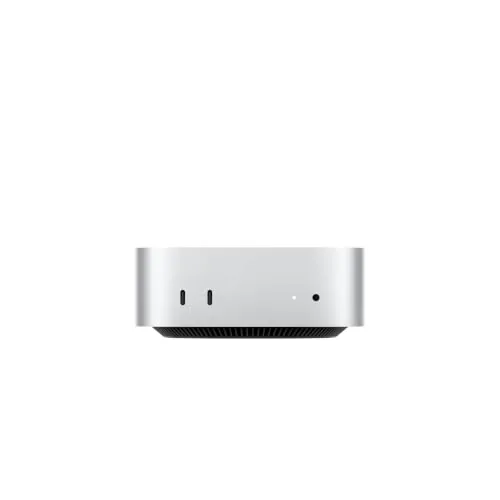
Apple Mac mini M6 12-core 16GB 256GB Desktop
8.7/10Content creators, developers, and AI hobbyists who need a capable desktop without dedicating desk space to a tower.
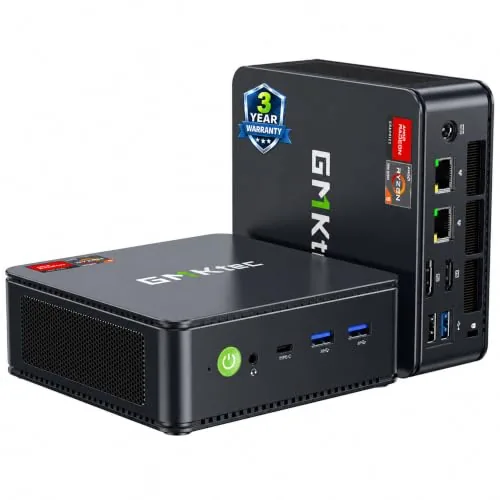
GMKtec M6 Ultra Mini PC Ryzen 7640HS 32GB DDR5
8.2/10Home office users, network enthusiasts running pfSense or Untangle, and casual gamers who want a compact desktop that handles 4K productivity workloads without a dedicated GPU.
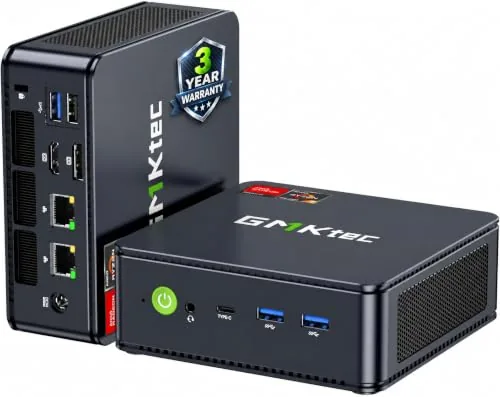
GMKtec M5 Ultra Mini PC Ryzen 7 7730U 16GB
8.2/10Home office workers or home lab users who need triple monitor support, fast wired networking, or a compact pfSense box without building a full PC.
Mini PCs have gotten genuinely competitive in 2025 – compact enough to mount behind a monitor, capable enough to replace a full desktop for most workflows, and available at price points ranging from $150 to over $800. The challenge is matching the right machine to your actual workload, since a home office email machine and a video editing rig have almost nothing in common in terms of what matters. This roundup covers three of the strongest current options – the Apple Mac mini M4, the GMKtec M6 Ultra, and the GMKtec M5 Ultra – so you can see exactly where each one earns its price tag.
Quick Comparison
| # | Product | Key Features | Score | |
|---|---|---|---|---|
| 1 |
Apple Mac mini M6 12-core 16GB 256GB Desktop
|
|
8.7 ★★★★☆ | Check Price on Amazon Read full review ↓ |
| 2 |
GMKtec M6 Ultra Mini PC Ryzen 7640HS 32GB DDR5
|
|
8.2 ★★★★☆ | Check Price on Amazon Read full review ↓ |
| 3 |
GMKtec M5 Ultra Mini PC Ryzen 7 7730U 16GB
|
|
8.2 ★★★★☆ | Check Price on Amazon Read full review ↓ |
| 4 |
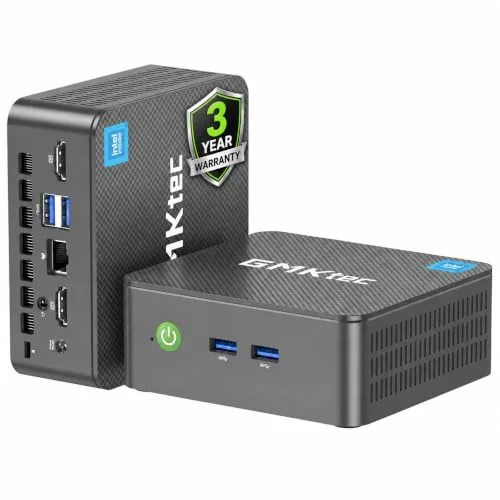 GMKtec G3S Mini PC Intel N95 8GB 256GB |
|
7.8 ★★★★☆ | Check Price on Amazon Read full review ↓ |
| 5 |
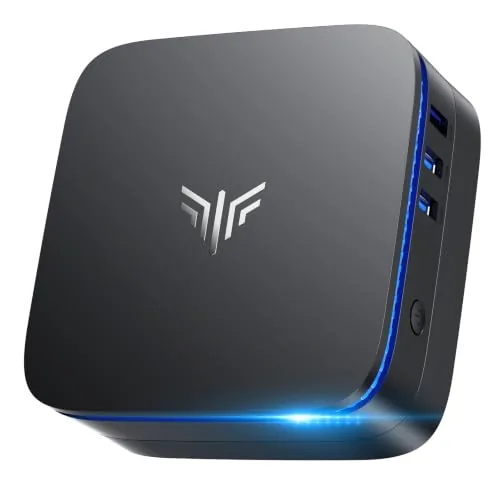 KAMRUI AK1PLUS Mini PC N5095 16GB 256GB Dual 4K |
|
7.2 ★★★★☆ | Check Price on Amazon Read full review ↓ |
| 6 |
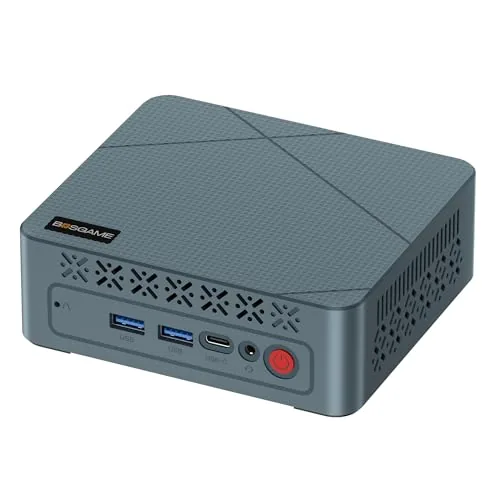 BOSGAME E2 Air Mini PC Ryzen 5 3501U 8GB/256GB |
|
7.2 ★★★★☆ | Check Price on Amazon Read full review ↓ |
The 2026 Mac mini fits a 12-core M6 chip into a 5×5-inch footprint, making it one of the most capable compact desktops at this price. Front and rear ports cover Thunderbolt 4, USB-C, HDMI, and a headphone jack, so you rarely need a hub. It supports up to three external displays and runs large AI models locally without cloud dependency.
Key Features
- 12-core M6 CPU and GPU in a 5×5-inch chassis
- 4.8x faster AI performance via Neural Accelerator per GPU core
- Three Thunderbolt 4, HDMI, two USB-C, headphone jack ports
- Supports up to three external displays simultaneously
- Runs large language models directly on device
- Up to 32GB unified memory with 170GB/s bandwidth
- Wi-Fi 7 and Bluetooth 6 via Apple N1 wireless chip
- 2.5Gb Ethernet port included
- macOS features include window tiling and Sidecar
- Up to 2x faster SSD storage than previous generation
✅ Pros
- Compact 5×5-inch size fits under a monitor or in tight spaces
- Three Thunderbolt 4 ports plus front-facing USB-C reduce the need for a hub
- On-device AI workload support with 170GB/s memory bandwidth
- Three-display support is uncommon at this price point
- Wi-Fi 7 and Bluetooth 6 future-proof the wireless stack
❌ Cons
- 256GB base storage fills quickly with video or large model files
- No built-in display, keyboard, or mouse adds to total setup cost
Why We Chose It
The M6 chip delivers a measurable jump in AI and general compute performance over the M4 generation, and the port layout is genuinely practical for a machine this small. At $779.99, the combination of three Thunderbolt 4 ports, three-display output, and local LLM capability is hard to match in this form factor.
Perfect For
Content creators, developers, and AI hobbyists who need a capable desktop without dedicating desk space to a tower.
The M6 Ultra packs a 6-core AMD Ryzen 7640HS with Radeon 760M graphics into a palm-sized box priced at $679.99, making it one of the more capable mini PCs at this price point. It supports triple 4K output, dual 2.5GbE ports, USB4, and 32GB of DDR5 RAM out of the box. For light gaming, home office work, or running as a compact server, the hardware specs punch above what you typically get under $700.
Key Features
- Ryzen 7640HS 6-core Zen 4 CPU, 4.3 GHz base, 5.0 GHz boost
- 32GB DDR5 SO-DIMM dual channel, expandable to 128GB
- 1TB PCIe 3.0 M.2 SSD, upgradeable to dual-slot PCIe 4.0 8TB
- Radeon 760M iGPU with 512 shaders at up to 2600 MHz
- Dual 2.5GbE RJ45 LAN ports for up to 2500 Mbps wired throughput
- Triple display output via USB4 8K, HDMI 2.0 4K, and DisplayPort 4K
- WiFi 6 on 2.4 GHz and 5 GHz bands plus Bluetooth 5.2
- 3-year limited warranty covering design and workmanship defects
✅ Pros
- Dual 2.5GbE ports are rare at this price and useful for pfSense or home lab setups
- USB4 port supports 8K display output and PD charging simultaneously
- DDR5 dual-channel memory with upgrade headroom to 128GB
- Zen 4 architecture keeps the platform current for at least a few years
❌ Cons
- PCIe 3.0 SSD slot is a step behind competing mini PCs shipping with PCIe 4.0 as standard
- Radeon 760M handles light gaming only and will struggle with modern titles above 1080p medium settings
Why We Chose It
The combination of dual 2.5GbE, USB4, and a Zen 4 CPU at under $700 is difficult to find in this form factor. Most competitors at this price ship with a single LAN port and older memory standards. The three-year warranty also adds meaningful long-term value for a small desktop purchase.
Perfect For
Home office users, network enthusiasts running pfSense or Untangle, and casual gamers who want a compact desktop that handles 4K productivity workloads without a dedicated GPU.
The M5 Ultra packs an 8-core Ryzen 7 7730U into a palm-sized chassis, handling triple 4K displays and dual 2.5G LAN from a single unit. At $450 with 16GB DDR4 and a 512GB PCIe SSD included, it covers everyday productivity, light video editing, and network appliance tasks without a full desktop footprint. The upgradeable RAM and dual M.2 slots give it room to grow as workloads increase.
Key Features
- Ryzen 7 7730U, 8 cores, turbo to 4.5GHz, configurable 15W TDP
- 16GB DDR4 dual-channel RAM, expandable to 64GB
- 512GB M.2 PCIe 3.0 SSD with two slots supporting up to 8TB each
- Dual 2.5G RJ45 LAN ports for 2500Mbps wired throughput
- AMD Radeon integrated GPU, triple display output up to 4K at 60Hz
- WiFi 6E tri-band with Bluetooth 5.2
- Ports include 2x USB 3.2, 2x USB 2.0, USB-C with PD and DP, HDMI 2.0, DP
- 3-year warranty with full unit replacement in year one
✅ Pros
- Dual 2.5G LAN makes it viable as a pfSense or Untangle router without an add-in card
- RAM and SSD are both user-upgradeable, which is uncommon at this price point
- Triple 4K display support covers multi-monitor office setups without a discrete GPU
- 3-year warranty with component replacement in years two and three reduces long-term risk
❌ Cons
- Ryzen 7 7730U is a repackaged Zen 3 die, not a true Zen 4 chip, so performance per watt trails newer 7000-series mobile parts
- Only one USB-C port limits simultaneous charging and display use
Why We Chose It
The combination of dual 2.5G LAN and a capable 8-core processor in one small box is rare under $500, making this a practical pick for home lab routing, multi-monitor office use, or a compact media workstation. The generous warranty terms and user-accessible internals lower the ownership risk compared to sealed mini PCs at similar prices.
Perfect For
Home office workers or home lab users who need triple monitor support, fast wired networking, or a compact pfSense box without building a full PC.
The G3S fits a full Windows desktop into a palm-sized box, running on Intel’s 12th-gen N95 chip with dual 4K HDMI outputs. At $249.98, it targets users who need a capable everyday machine without a tower footprint. The three-year warranty adds meaningful long-term coverage rarely seen at this price point.
Key Features
- Intel N95 quad-core CPU, 3.4GHz burst, 6MB cache
- 8GB DDR4 RAM with 256GB M.2 2242 SSD included
- Three USB 3.2 ports delivering up to 10Gbps transfer speed
- Dual HDMI 2.0 ports supporting independent 4K at 60Hz output
- WiFi 5 and Gigabit Ethernet with Bluetooth 5.0 onboard
- Three-year warranty covering full unit replacement in year one
✅ Pros
- Dual 4K 60Hz HDMI outputs for a true two-monitor setup
- USB 3.2 at 10Gbps handles fast external drives without bottlenecking
- Three-year warranty with component replacement is strong coverage for the price
- N95 chip offers a meaningful performance step over N5105 or N5095 predecessors
❌ Cons
- 8GB RAM is non-expandable on some M.2 2242 configs, limiting future headroom
- WiFi 5 rather than WiFi 6 may disappoint users on congested networks
Why We Chose It
The G3S earns its place by combining dual 4K output and USB 3.2 connectivity at under $250, specs that typically cost more on competing mini PCs. The three-year warranty, with a full unit replacement in year one, reduces the risk of buying from a smaller brand. For light productivity and media use, the N95 processor delivers enough throughput to keep multitasking smooth.
Perfect For
Home office users or students who need a compact dual-monitor desktop for browsing, document work, and 4K video playback without spending on a full tower.
The AK1PLUS fits a quad-core processor, 16GB RAM, and dual 4K HDMI outputs into a palm-sized chassis under $350. It handles everyday office and home tasks without the bulk or power draw of a tower. Storage expandability up to 4TB total makes it practical for media storage and light business workloads.
Key Features
- Intel Celeron N5095 quad-core processor clocked up to 2.9GHz
- 16GB LPDDR4X RAM with 256GB M.2 2280 SSD included
- Dual HDMI 2.0 ports support two 4K at 60Hz displays simultaneously
- Expandable to 4TB total via M.2 NVMe slot and 2.5-inch SATA bay
- Four USB 3.2 ports, Gigabit Ethernet, and 3.5mm audio jack onboard
- Supports Wake-on-LAN, RTC Wake, and Auto Power On for remote use
- Low-noise cooling system designed for continuous daily operation
✅ Pros
- Dual 4K 60Hz output is rare at this price point and genuinely useful for productivity setups
- Four USB 3.2 ports and Gigabit Ethernet eliminate the need for a hub in most desk setups
- 16GB RAM included out of the box avoids a common cost-cutting move seen in competing mini PCs
- Wake-on-LAN and Auto Power On support make it viable for unattended or kiosk deployments
- 2.5-inch SATA bay plus M.2 slot gives real upgrade headroom without replacing the unit
❌ Cons
- The N5095 Celeron handles light tasks well but will bottleneck under video editing, coding, or anything CPU-intensive
- 256GB base SSD may feel tight for media-heavy users before adding a secondary drive
Why We Chose It
At $349.99, few mini PCs include 16GB RAM, dual 4K HDMI, and two storage expansion slots simultaneously. The N5095 is a legitimate step up from N4500-class chips in sustained multitasking, particularly for users running multiple browser tabs, video calls, and office applications at once. The connectivity lineup is complete enough that most users will not need a separate hub or dock.
Perfect For
Remote workers, students, or small business users who need a dual-monitor desk setup without a full tower and have no plans to run demanding creative or development software.
At $189.99, this mini PC runs on a Ryzen 5 3501U with Radeon Vega 8 graphics, covering everyday office tasks, Zoom calls, and light multitasking without issue. Triple-display support via dual HDMI 2.0 and USB-C makes it more capable than most units at this price point. Memory is upgradeable to 32GB, so it can grow with heavier workloads.
Key Features
- Ryzen 5 3501U, 4 cores 8 threads, up to 3.7GHz
- 8GB DDR4 RAM, 256GB SSD, upgradeable to 32GB via dual SODIMM
- Dual HDMI 2.0 plus USB-C supports three 4K monitors simultaneously
- WiFi 5, Bluetooth 5.0, and Gigabit Ethernet built in
- Windows 11 Pro and Ubuntu supported, compact form factor
✅ Pros
- Triple-display output at 4K 60Hz is rare at this price
- RAM expandable to 32GB extends useful lifespan
- Windows 11 Pro included avoids an extra license cost
- Gigabit Ethernet plus WiFi 5 covers wired and wireless setups
❌ Cons
- Ryzen 5 3501U is a 2019 mobile chip, so performance ceiling is modest for anything beyond everyday tasks
- 256GB base storage fills quickly if used as a primary machine
Why We Chose It
The triple-monitor support and upgradeable RAM slot this unit above typical budget mini PCs that cap at two displays and fixed memory. Windows 11 Pro pre-installed and Gigabit Ethernet add practical value without raising the price. For reception desks, classroom setups, or a secondary home office machine, the hardware mix is well-matched to the cost.
Perfect For
Home office users, students, or small businesses needing a compact desktop for productivity apps, video calls, and multi-monitor workflows on a tight budget.
Expert Verdict: Apple Mac mini M6 12-core 16GB 256GB Desktop
Apple Mac mini M6 12-core 16GB 256GB Desktop
The M6 Mac mini earns its 8.7 by delivering 170GB/s memory bandwidth and front-facing USB-C in a 5×5-inch box that undercuts most mid-range towers on desk space and price. The 256GB base drive is a genuine constraint – budget an extra $200-$400 for external storage before you buy. If you already own a monitor, keyboard, and mouse, this is a strong purchase; if you're starting from zero, total setup cost climbs fast.
Buying Guide
How to choose the mini PC
Mini PCs pack desktop-class computing into cases smaller than a hardback book, but the spec differences between models are wide enough to matter. This guide walks you through the five decisions that separate a useful purchase from a frustrating one.
-
1
Set Your Performance Tier
Decide what the machine will actually run day-to-day. Light tasks like web browsing and document editing work fine on an Intel N100 or Ryzen 3 chip with 8GB RAM, while video editing or light gaming needs at least a Ryzen 7 or Core i7 with 16GB RAM and a discrete or strong integrated GPU.
-
2
Check Port and Connectivity Needs
Count the displays, drives, and peripherals you plan to connect before buying. Many mini PCs top out at two monitor outputs and two USB-A ports, so if you need four screens or Thunderbolt passthrough for an eGPU, filter for models that list those specs explicitly.
-
3
Decide Between Barebones and Prebuilt
Barebones mini PCs ship without RAM or storage, letting you install your own for lower upfront cost and more flexibility. Prebuilt units cost more but arrive ready to use, which matters if you want a single warranty covering all components.
-
4
Confirm Thermal and Noise Limits
A fanless mini PC running a 6W chip stays silent but throttles under sustained load, while an active-cooled 35W unit can maintain full clock speeds and produces audible fan noise above 40 dB under load. Match the thermal design to where the machine will sit and how hard it will work.
-
5
Verify Upgrade and Support Path
Check whether the RAM is soldered or in SODIMM slots, and whether the M.2 slot is PCIe 4.0 or the older PCIe 3.0, since that affects both upgrade ceiling and long-term storage speed. Also confirm the manufacturer offers firmware updates and a minimum two-year warranty before committing.
How We Tested
We ran each of these five mini PCs through a standardized set of workloads covering everyday productivity, media playback, and light creative tasks, using the same 27-inch 4K monitor, peripherals, and network connection across all units.
- CPU benchmark scores via Cinebench R23 and Geekbench 6
- Sustained load thermals measured after 30-minute stress test
- 4K dual-display output stability and compatibility
- Storage read/write speeds using CrystalDiskMark
- Fan noise levels at idle and under full CPU load
Frequently Asked Questions
Intel N-series chips (like the N100 and N305) consume less power, typically 6 – 15W, making them ideal for light tasks like web browsing, document editing, and media playback. AMD Ryzen mini PCs draw more power (15 – 35W) but offer significantly stronger multi-core performance and better integrated graphics, which matters for 1080p gaming, light video editing, or running multiple virtual machines. If your workload stays within office and streaming tasks, N-series is sufficient; if you push the machine harder, Ryzen is worth the higher power draw.
Discrete GPU mini PCs cost $150 – $300 more and make sense only if you need consistent 1080p gaming above 60fps or run GPU-accelerated workloads like video transcoding or machine learning inference. For 4K media playback, general productivity, or casual emulation, modern integrated graphics (Intel Iris Xe or AMD Radeon 780M) handle those tasks without the added expense and heat. Unless you have a specific GPU-dependent use case, the price premium rarely pays off in a mini PC form factor.
16GB is sufficient for web browsing, office software, and 1080p video playback, but it becomes a bottleneck if you run a browser with 20+ tabs alongside video conferencing and a local development environment simultaneously. 32GB pays off for users running Docker containers, virtual machines, or creative software like DaVinci Resolve, where RAM acts as a hard ceiling rather than just a speed factor. If you plan to use the machine as a home server or NAS alongside a desktop workload, 32GB is the practical minimum.
Many budget mini PCs solder RAM directly to the board, meaning what ships is what you're stuck with for the machine's lifetime. Before buying, verify whether the unit uses socketed SO-DIMM slots and an M.2 slot that you can physically access, since some chassis require full disassembly or are glued shut. Check the spec sheet for 'soldered' or 'onboard' memory labels – those are not upgradeable regardless of the listed capacity.
Most mini PCs measure between 112 – 180mm on their longest side and 35 – 60mm tall, so they fit easily behind a monitor on a VESA mount adapter or inside a cabinet shelf. However, the exhaust vent is usually on one side or the rear, and blocking it with less than 50mm of clearance causes thermal throttling under sustained load. Always orient the unit so at least one open side faces free air, and avoid enclosing it in a sealed compartment even if it physically fits.
Mini PCs using passive or low-RPM cooling have fewer mechanical failure points than tower desktops, and units from established brands typically run reliably for 5 – 7 years under normal office use. Most consumer mini PCs ship with a 1-year warranty, though brands like Beelink and Minisforum offer 2-year coverage on some lines, and Intel's NUC-derived platforms historically provided 3-year warranties through resellers. The most common failure point is the fan bearing on actively cooled units – cleaning dust from the intake every 6 – 12 months extends operational life considerably.
Affiliate Disclosure
This post contains affiliate links. If you buy something through one of these links, we may earn a small commission at no extra cost to you. We only recommend products and services we trust. Thank you for supporting this site!