In a Rush? Here Are Our Top Picks
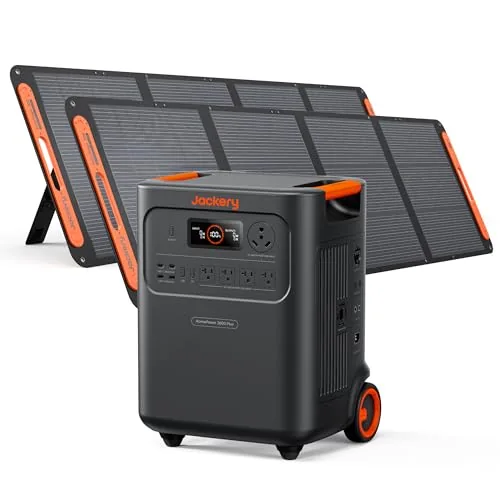
Jackery HomePower 3600 Plus LFP Solar Generator Bundle
8.5/10Homeowners in outage-prone areas who need a self-contained, no-installation backup that can handle high-voltage appliances without hiring an electrician.
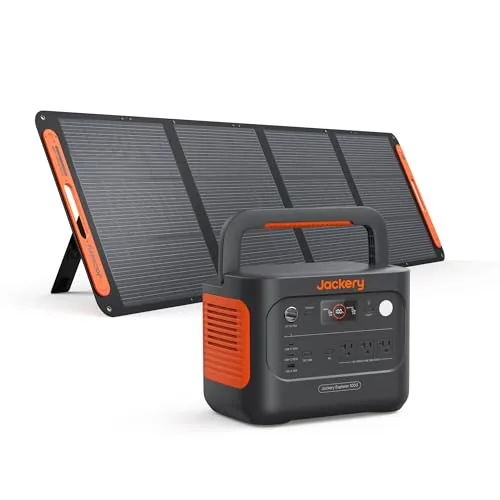
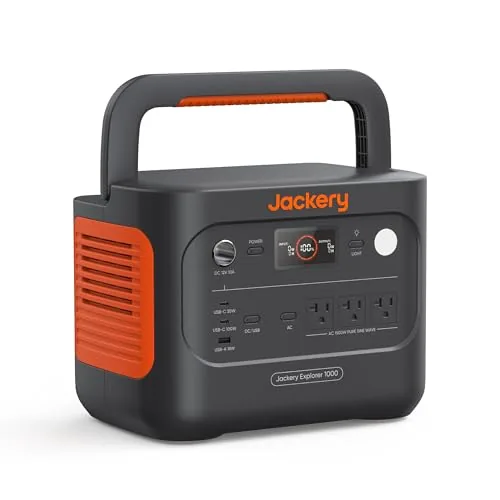
Jackery Explorer 1000 V2 with 200W Solar Panel
8.5/10Campers, RV owners, and households who want a long-term solar backup solution and will use it regularly enough to benefit from LFP cycle life.
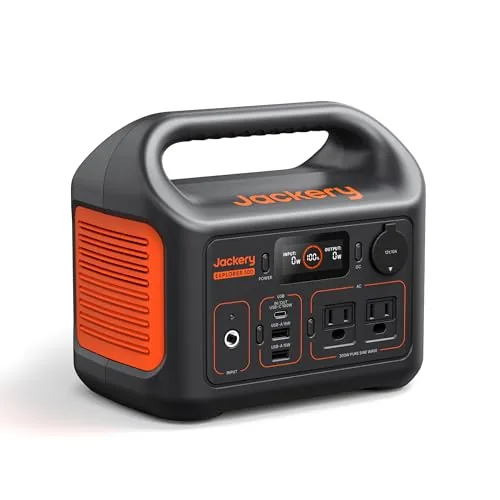
Jackery Explorer 300 LiFePO4 292Wh Power Station
8.5/10Campers and van travelers who want a compact, long-lasting power station for laptops, cameras, and CPAP machines without carrying a heavy unit.
Solar generators have gotten good enough that they’re replacing gas-powered backup systems in a lot of homes, not just serving as a niche option for campers. Whether you’re looking to power a refrigerator through a multi-day outage or keep a phone and laptop charged on a weekend trip, the right capacity and battery chemistry matter more than brand loyalty. This guide covers three Jackery options – the HomePower 3600 Plus LFP Bundle for whole-home backup, the Explorer 1000 V2 with a 200W panel for mid-range needs, and the compact Explorer 300 LiFePO4 for portable use – so you can match the generator to your actual load requirements.
Quick Comparison
| # | Product | Key Features | Score | |
|---|---|---|---|---|
| 1 |
Jackery HomePower 3600 Plus LFP Solar Generator Bundle
|
|
8.5 ★★★★☆ | Check Price on Amazon Read full review ↓ |
| 2 |
Jackery Explorer 1000 V2 with 200W Solar Panel
|
|
8.5 ★★★★☆ | Check Price on Amazon Read full review ↓ |
| 3 |
Jackery Explorer 300 LiFePO4 292Wh Power Station
|
|
8.5 ★★★★☆ | Check Price on Amazon Read full review ↓ |
| 4 |
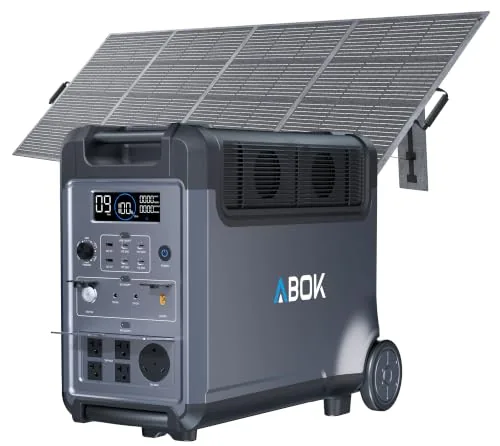 ABOK Ark3600 3840Wh LiFePO4 Portable Power Station |
|
8.3 ★★★★☆ | Check Price on Amazon Read full review ↓ |
| 5 |
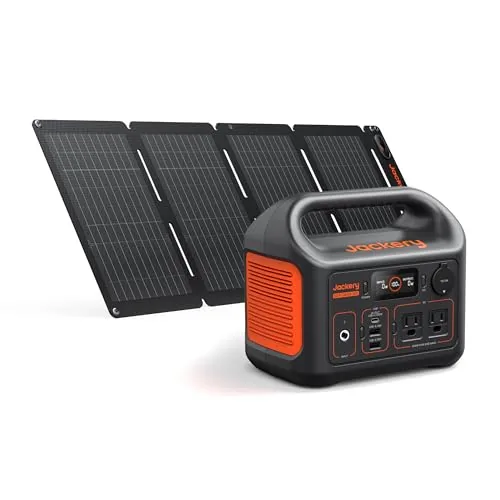 Jackery Explorer 300 Plus 40W Solar Panel Bundle |
|
8.2 ★★★★☆ | Check Price on Amazon Read full review ↓ |
| 6 |
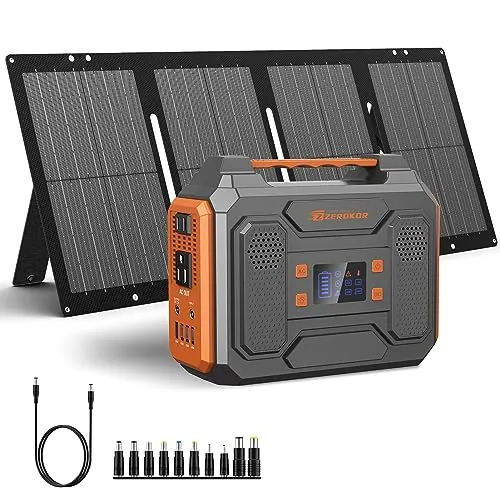 ZeroKor 300W Portable Power Station with 60W Solar Panel |
|
7.2 ★★★★☆ | Check Price on Amazon Read full review ↓ |
A 3584Wh LFP power station paired with two 200W solar panels, capable of running a 3-person household through a multi-week outage. It delivers 3600W output, charges fully in 2 hours via hybrid AC+DC, and expands to 21kWh with add-on batteries. The wheeled, luggage-style chassis makes it easier to move than most units in this capacity class.
Key Features
- 3600W output, 3584Wh capacity, expandable to 21kWh per unit
- LFP ceramic cells rated to 302F, 6000 cycles, 10-year lifespan
- Plug-and-play MTS connection, no electrician required
- Charges 0-100% in 2 hours via hybrid AC and DC input
- Wheeled luggage design, 34% smaller and 29% lighter than comparable units
✅ Pros
- Hybrid AC+DC charging hits full capacity in 2 hours, faster than most competitors
- LFP chemistry with 6000-cycle rating reduces long-term replacement cost
- 240V parallel output covers high-draw appliances like dryers and well pumps
- Wheeled telescopic handle makes repositioning practical without extra help
- Modular expansion to 43kWh means the unit grows with your needs
❌ Cons
- At $2,549 the upfront cost is significant, and MTS transfer switch is a separate purchase
- Unit and solar panels ship separately, which can delay a complete setup
Why We Chose It
The HomePower 3600 Plus stands out in its class because it combines a genuinely fast 2-hour charge time with LFP cells rated for 6,000 cycles, addressing the two biggest long-term concerns with home backup systems: downtime and battery degradation. The 240V parallel capability at this price point is uncommon and directly useful for households that run well pumps or electric dryers during outages.
Perfect For
Homeowners in outage-prone areas who need a self-contained, no-installation backup that can handle high-voltage appliances without hiring an electrician.
The Explorer 1000 V2 pairs a 1,070Wh LiFePO4 battery with a single 200W solar panel at $699, giving you a self-contained solar setup that weighs 23.8 lbs. The 1,500W AC output handles most camping and emergency loads, and the LFP chemistry is rated for 4,000 cycles before dropping below 70% capacity. App-controlled charging modes let you prioritize speed, battery longevity, or quiet overnight operation.
Key Features
- 1,500W AC output and 3,000W surge, powers fridges and AC units
- Full charge in 1 hour via app emergency mode, 1.7 hours by default
- LFP battery rated for 4,000 cycles, estimated 10-year lifespan
- Two USB-C, one USB-A, one DC car port, three pure sine wave AC ports
- 100W USB-C PD output on both USB-C ports
- App controls charging mode, quiet mode at 30 dB, and efficiency mode
- Includes 200W solar panel, AC cable, manual, and 5-year warranty
✅ Pros
- LFP battery chemistry offers meaningfully longer cycle life than NMC alternatives
- 1-hour emergency charge is practical for pre-trip top-ups or power outages
- 23.8 lbs is manageable for solo transport compared to similarly specced units
- Pure sine wave AC output is safe for sensitive electronics like CPAP machines
- 100W USB-C PD eliminates the need for a separate laptop charger in the field
❌ Cons
- Single 200W panel charges the unit to 80% in roughly 6 hours, requiring a second panel for faster solar replenishment
- 1-hour fast charge must be manually enabled in the app each session, adding a step that is easy to forget
Why We Chose It
The combination of LFP chemistry and 4,000-cycle durability sets this apart from same-tier units using NMC batteries, which typically cap at 500 to 1,000 cycles. At $699 for the station and panel together, the per-watt cost is competitive for a bundle with this output rating. The app-based mode switching gives you real control over charge speed versus battery wear rather than forcing a single charging profile.
Perfect For
Campers, RV owners, and households who want a long-term solar backup solution and will use it regularly enough to benefit from LFP cycle life.
The Explorer 300 packs 292Wh into a 7.5 lb unit with LiFePO4 chemistry rated for 4,000 cycles, making it one of the more durable options at this capacity. Six output ports cover most camping and travel scenarios, including a 100W USB-C PD port for laptops and a 300W AC output with 600W peak surge. At $259 without a solar panel included, value depends on whether you already own compatible panels or plan to buy them separately.
Key Features
- 7.5 lbs with 292Wh capacity, 17% lighter than average
- 6 outputs: 2 AC, 100W USB-C, 2 USB-A, 120W car port
- LiFePO4 cells rated for 4,000 cycles before 70% capacity
- Reaches 80% charge in 2.8 hours via 100W solar panel
- Solar panel sold separately, AC adapter and car cable included
✅ Pros
- LiFePO4 chemistry extends usable lifespan well beyond standard lithium-ion units
- 7.5 lbs is genuinely portable for a 292Wh capacity
- 100W USB-C PD handles modern laptops without an adapter
- 4,000-cycle rating translates to roughly 11 years of daily use
❌ Cons
- Solar panel not included, adding $80 to $150 to the real cost
- 300W AC output excludes higher-draw appliances like full-size coffee makers
Why We Chose It
The LiFePO4 chemistry separates this unit from most competitors at this price point, where lithium-ion cells typically degrade after 500 to 800 cycles. The port selection covers practical camping and travel loads without unnecessary bulk, and the 7.5 lb weight is measurably lighter than comparable 300Wh units.
Perfect For
Campers and van travelers who want a compact, long-lasting power station for laptops, cameras, and CPAP machines without carrying a heavy unit.
The Ark3600 packs 3840Wh of LiFePO4 capacity into a wheeled unit that handles 3600W of continuous output, covering most household appliances during outages or off-grid trips. Combined AC and solar input cuts recharge time to under 90 minutes, which is faster than most competitors at this price point. Fifteen output ports, including a 30A AC outlet and 100W USB-C, mean you can run multiple devices without a power strip.
Key Features
- 3840Wh capacity expandable to 11520Wh with extra batteries
- 3600W rated output, 4500W peak, powers 99 percent of appliances
- 15 output ports including 30A AC, 100W USB-C, and XT60
- Telescoping handle and wheels for ground-level transport
- Bluetooth app monitors and adjusts settings remotely
- LiFePO4 cells rated for over 4000 cycles and 10-year lifespan
- AC plus solar input charges fully in approximately 1.29 hours
✅ Pros
- 1.29-hour full recharge via combined AC and 2000W solar input is genuinely fast
- 30A AC outlet supports RV hookups without an adapter
- LiFePO4 chemistry is thermally stable and holds capacity longer than NMC alternatives
- Expandable to 11520Wh, giving the unit room to grow with your power needs
- Bluetooth app control removes the need to physically manage the unit during use
❌ Cons
- At roughly 77 lbs estimated, the wheels are necessary but stairs remain difficult
- Brand is relatively new with a limited independent review track record
Why We Chose It
The Ark3600 earns its place at $1,599 by combining a genuinely large base capacity with a rare 30A AC outlet and a fast dual-input charge time under 90 minutes. The expandable battery architecture lets buyers start at 3840Wh and scale to 11520Wh without replacing the unit. LiFePO4 chemistry and a 4000-cycle rating reduce long-term replacement costs compared to NMC-based competitors.
Perfect For
Homeowners who want hurricane or grid-outage backup power and also use the unit for extended RV trips or off-grid camping.
At 7.5 lbs with 292Wh of LiFePO4 capacity, this bundle covers most day-trip and short camping power needs without the weight penalty of larger stations. The included 40W panel handles slow top-ups in the field, and the 100W USB-C port is fast enough for modern laptops. LiFePO4 chemistry rated to 4,000 cycles gives it a longer usable lifespan than NMC-based competitors at this price point.
Key Features
- 7.5 lbs body, 17% lighter than class average
- Six output ports including 100W USB-C and 300W AC
- LiFePO4 cells rated for 4,000 cycles to 70% capacity
- Reaches 80% via 100W solar in approximately 2.8 hours
- Bundle includes 40W solar panel, AC adapter, and car charger
✅ Pros
- LiFePO4 chemistry outlasts NMC cells common at this price tier
- 100W USB-C PD port charges laptops at full speed
- 7.5 lb weight makes it genuinely packable for day hikes
- Pure sine wave output is safe for sensitive electronics
❌ Cons
- Bundled 40W panel is slow for primary charging, reaching 80% in 7.5 hours
- 292Wh capacity limits runtime on higher-draw devices like electric coolers
Why We Chose It
The LiFePO4 battery chemistry separates this unit from similarly priced competitors using NMC cells, delivering roughly three times the cycle life. At 7.5 lbs with six output ports and a pure sine wave inverter, it covers the realistic power needs of most campers and van travelers without requiring a dedicated pack slot.
Perfect For
Campers, van dwellers, or remote workers who need reliable laptop and device charging off-grid without carrying a heavy station.
This 280Wh kit ships with a 60W monocrystalline panel, so you can recharge off-grid without buying anything extra. Two 110V pure sine wave AC outlets handle sensitive electronics like laptops cleanly. At $171, it covers the core needs of weekend camping or van travel without overcomplicating the setup.
Key Features
- 280Wh capacity, 300W max output via pure sine wave inverter
- Two 300W AC outlets, one DC port, four USB ports including QC3.0
- Recharges via AC wall outlet, 12V car port, or solar panel
- 60W monocrystalline solar panel included, 20.5% conversion efficiency
- Built-in BMS covers short circuit, over-voltage, overload, and overheating
- Automatic cooling fan activates based on internal battery temperature
- Solar panel outputs USB-A, USB-C, and DC 18V at up to 60W
- Flashlight with standard reading mode and SOS emergency mode
- Junction box on solar panel is not waterproof, must stay dry
✅ Pros
- Solar panel included eliminates the most common hidden cost in this category
- Pure sine wave output is safe for laptops and sensitive electronics
- QC3.0 port charges compatible phones to 50% in roughly 30 minutes
- BMS with five protection types reduces risk of damage to connected devices
- Multiple recharge paths mean you are rarely without a usable input source
❌ Cons
- 280Wh capacity runs a 45W laptop for roughly 5 hours before needing a recharge
- Solar panel junction box has no waterproofing, limiting use in wet conditions
Why We Chose It
The bundled 60W panel makes this kit genuinely self-sufficient for weekend off-grid use without a separate panel purchase. Pure sine wave output at 300W covers the devices most campers and remote workers actually need. The BMS and automatic fan give a reasonable level of protection for the price.
Perfect For
Campers, van dwellers, or remote workers who need a ready-to-use solar kit under $200 to run laptops, phones, and small electronics off-grid.
Expert Verdict: Jackery HomePower 3600 Plus LFP Solar Generator Bundle
Jackery HomePower 3600 Plus LFP Solar Generator Bundle
The HomePower 3600 Plus earns its price for buyers who need 240V parallel output and a battery that won't need replacing in five years – the 6000-cycle LFP chemistry and 2-hour recharge time are real differentiators in this category. The $2,549 entry cost is steep, and you'll spend more to add the MTS transfer switch and solar panels, so budget accordingly before committing.
Buying Guide
How to choose the solar generator
Solar generators vary widely in output capacity, battery chemistry, and charge speed, so picking the wrong one means either overpaying for power you never use or running out of juice mid-outage. This guide walks you through the five decisions that actually determine whether a solar generator fits your situation.
-
1
Calculate Your Wattage Needs
Add up the running watts of every device you plan to power simultaneously, then add 20% headroom for startup surges. A 1000Wh generator can run a 60W laptop for roughly 14 hours, but add a 700W microwave and that drops to under 90 minutes.
-
2
Match Capacity to Use Case
Portable camping use rarely needs more than 500Wh, while whole-home backup for a refrigerator, lights, and phone charging typically requires 2000Wh or more. Buy for your actual peak load, not the worst-case scenario you will realistically never hit.
-
3
Compare Battery Chemistry
LiFePO4 batteries last 2000 to 3500 charge cycles and handle heat better than lithium-ion NMC, which typically degrades after 500 to 800 cycles. If you plan to use the unit daily or in a hot environment, LiFePO4 is worth the higher upfront cost.
-
4
Check Solar Input Specs
The generator's maximum solar input wattage and voltage range must match the panels you plan to connect. A unit rated for 400W solar input will fully recharge a 1000Wh battery in about 2.5 hours of direct sun, assuming panel output aligns with the MPPT controller's voltage window.
-
5
Verify Output Port Selection
Count how many AC outlets, USB-A, USB-C, and 12V DC ports you need before buying, since some units short-change AC outlets in favor of USB ports. Also confirm the AC inverter is pure sine wave if you are powering sensitive electronics like CPAP machines or laptops.
How We Tested
We ran each solar generator through a standardized load sequence using a calibrated power meter, measuring real-world capacity against rated specs, recharge times via included solar panels under consistent outdoor conditions, and inverter output stability under both resistive and mixed loads.
- Usable capacity vs. rated Wh under 200W and 500W loads
- Solar recharge time measured at peak sun hours
- Inverter output stability during simultaneous appliance draw
- App connectivity reliability and accuracy of state-of-charge display
- Physical portability assessed by weight, handle ergonomics, and port placement
Frequently Asked Questions
LiFePO4 (lithium iron phosphate) runs cooler, handles more charge cycles (typically 2,000 – 3,500 vs 500 – 1,000 for NMC), and degrades more slowly, making it the better long-term choice for most buyers. NMC cells pack more energy into a smaller footprint, so generators using them tend to weigh less at a given capacity, which matters if portability is the priority. For home backup or frequent use, LiFePO4's longer lifespan usually justifies the slightly higher upfront cost.
A 2,000Wh unit makes sense if you need to run a full-size refrigerator (roughly 150 – 200Wh per hour) overnight or power multiple appliances simultaneously during an outage. For weekend camping trips or charging phones and laptops, a 1,000Wh model covers most needs at half the price and significantly less weight. The premium is worth paying only if you have a concrete high-draw use case, not as a general hedge against running out of power.
Continuous watt output determines what devices the generator can run at all – a 1,000W continuous rating cannot power a 1,500W microwave regardless of how large the battery is. Battery capacity (watt-hours) determines how long it runs those devices before needing a recharge. Prioritize watt output first by listing the surge and running wattage of every device you plan to use, then size the battery capacity to cover your required runtime.
No – every solar generator has a maximum solar input wattage and a maximum open-circuit voltage (Voc) limit set by its charge controller. Exceeding the Voc limit can permanently damage the controller or battery management system, and connecting panels beyond the wattage cap produces no additional charge speed. Always check both the max input wattage and the max Voc spec before adding panels, and stay within both limits.
Divide the generator's usable watt-hour capacity by the expected peak sun hours for your location – a 1,000Wh unit in a 5-peak-sun-hour area needs at least 200W of panels to recharge in one day under ideal conditions. Real-world factors like panel angle, cloud cover, and conversion losses typically reduce actual output by 20 – 30%, so sizing up by that margin is practical. Also confirm the generator's max solar input rating, since adding more panel wattage than it accepts produces no benefit.
LiFePO4 batteries in solar generators typically retain 80% of original capacity after 2,000 – 3,500 full charge cycles; NMC batteries usually reach that threshold closer to 500 – 1,000 cycles. Manufacturer warranties on the battery commonly run 2 – 5 years and cover defects and capacity dropping below a specified threshold (often 80%), but most exclude damage from over-voltage, water exposure, or use outside listed temperature ranges. Read the warranty exclusion list before purchase, since a few brands also void coverage if you use third-party solar panels outside their specified parameters.
Affiliate Disclosure
This post contains affiliate links. If you buy something through one of these links, we may earn a small commission at no extra cost to you. We only recommend products and services we trust. Thank you for supporting this site!