In a Rush? Here Are Our Top Picks
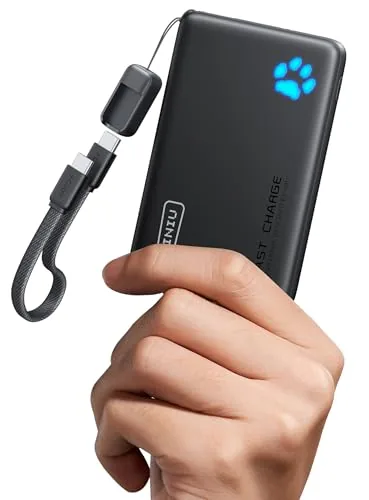
INIU 10000mAh 45W Fast Charging Compact Power Bank
8.5/10Commuters, students, or frequent flyers who need a pocketable 10,000mAh power bank with fast charging and no cable anxiety.
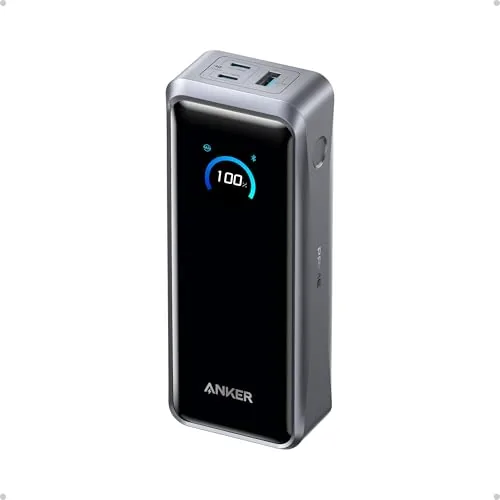
Anker 25,000mAh Power Bank 165W Triple USB-C Ports
8.5/10Remote workers and frequent travelers who need to keep a laptop and multiple devices charged across a full day without access to a wall outlet.
Anker PowerCore Slim 10000 USB-C Power Bank
8.5/10Commuters and light travelers who need reliable phone top-ups without adding noticeable weight to a bag.
Finding a reliable power bank comes down to three variables: capacity, charging speed, and size – and most products force you to trade one for another. Whether you need a slim 10,000mAh pack that fits in a jacket pocket or a 25,000mAh workhorse that can charge a laptop at 165W, the right pick depends on how and where you actually use it. This guide covers three options – the INIU 10000mAh 45W, Anker PowerCore Slim 10000 USB-C, and Anker 25,000mAh 165W – chosen because they cover the full range of those tradeoffs without padding the list with redundant middle-ground options.
Quick Comparison
| # | Product | Key Features | Score | |
|---|---|---|---|---|
| 1 |
INIU 10000mAh 45W Fast Charging Compact Power Bank
|
|
8.5 ★★★★☆ | Check Price on Amazon Read full review ↓ |
| 2 |
Anker 25,000mAh Power Bank 165W Triple USB-C Ports
|
|
8.5 ★★★★☆ | Check Price on Amazon Read full review ↓ |
| 3 |
Anker PowerCore Slim 10000 USB-C Power Bank
|
|
8.5 ★★★★☆ | Check Price on Amazon Read full review ↓ |
| 4 |
 Jackery Explorer 300 LiFePO4 292Wh Power Station |
|
8.5 ★★★★☆ | Check Price on Amazon Read full review ↓ |
| 5 |
 Anker Zolo 20,000mAh 30W Power Bank Built-in USB-C |
|
8.5 ★★★★☆ | Check Price on Amazon Read full review ↓ |
| 6 |
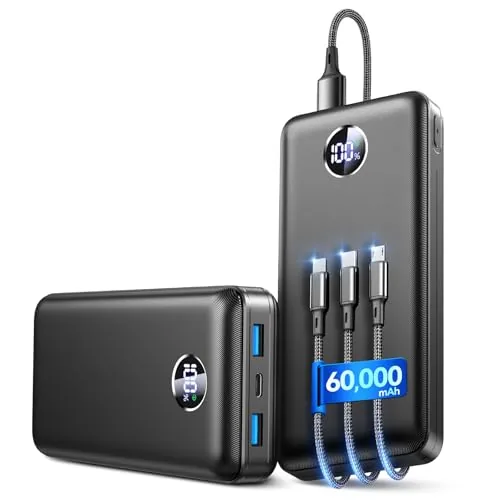 IAPOS 60000mAh 22.5W Fast Charge 5-Port Power Bank |
|
7.8 ★★★★☆ | Check Price on Amazon Read full review ↓ |
| 7 |
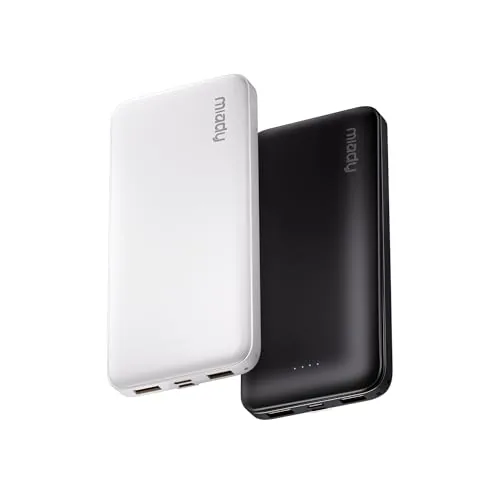 Miady 2-Pack 10000mAh Slim Power Bank Dual USB |
|
7.8 ★★★★☆ | Check Price on Amazon Read full review ↓ |
| 8 |
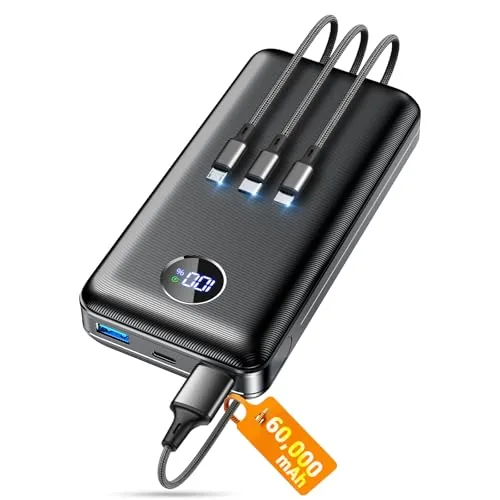 ZZI 60000mAh Power Bank 22.5W Fast Charge 5 Devices |
|
7.8 ★★★★☆ | Check Price on Amazon Read full review ↓ |
This 10,000mAh power bank is 40% smaller than standard units of the same capacity, thanks to high-density cell construction. At 45W output, it charges an iPhone 17 Pro Max to 76% or a Galaxy S25 Ultra to 84% in 30 minutes. The detachable braided USB-C cable is replaceable if it wears out, which extends the useful life of the unit.
Key Features
- 40% smaller and 36% lighter than standard 10,000mAh chargers
- 45W output charges iPhone 17 Pro Max to 76% in 30 minutes
- Short 0.4ft detachable braided USB-C cable is fully replaceable
- TSA-compliant and flight-safe for air travel
- Delivers roughly two full smartphone charges per cycle
- Includes 3-year warranty and lifetime technical support
✅ Pros
- Compact size makes it easier to carry daily without noticeable bulk
- 45W speed is fast enough for phones, tablets, and handheld gaming devices
- Replaceable cable means the unit stays usable if the cord fails
- 3-year warranty adds real long-term value at this price point
❌ Cons
- 0.4ft cable is too short to use while holding the phone comfortably
- No LCD display to show remaining battery percentage
Why We Chose It
At $21.99, the combination of 45W output and a physically smaller form factor is uncommon at this price. The replaceable cable design solves a real durability problem that fixed-cable power banks ignore. For daily commuters or travelers who need reliable fast charging without the weight, this unit covers most scenarios well.
Perfect For
Commuters, students, or frequent flyers who need a pocketable 10,000mAh power bank with fast charging and no cable anxiety.
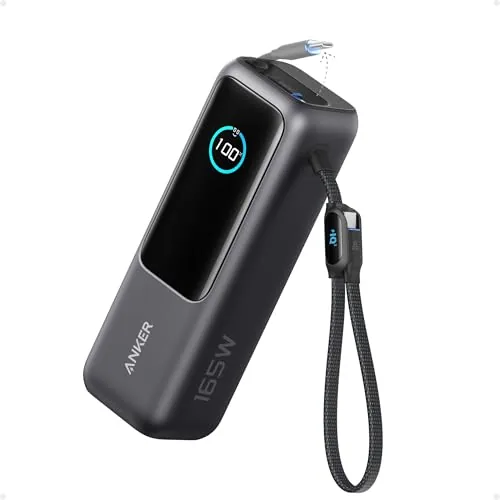
This 25,000mAh power bank delivers 165W total output across three USB-C ports, each capable of 100W, so you can charge a MacBook and two phones simultaneously. Two built-in retractable cables remove the need to carry separate charging cables. It falls under the 100Wh airline carry-on limit, making it a practical pick for frequent flyers.
Key Features
- Three USB-C ports, each rated up to 100W output
- 25,000mAh capacity with fast self-recharge via 100W+ charger
- Retractable 2.3ft cable rated for 20,000 retractions
- 0.98ft built-in cable doubles as a durable carrying strap
- Charges four devices at once via two cables plus two ports
- Airline carry-on compliant, under 100Wh restriction
✅ Pros
- Three independent 100W USB-C ports handle a laptop and two phones at the same time
- Built-in cables mean one less thing to pack or forget
- 25,000mAh capacity is enough for roughly 4 to 5 full phone charges or 1 to 2 laptop top-ups
- Airline carry-on approved, so no need to check it or leave it behind
- 18-month warranty with direct customer support
❌ Cons
- At 1.43 lbs the unit is noticeably heavy for a carry-on bag
- The charger brick is not included, so reaching full recharge speed requires a separate 100W adapter purchase
Why We Chose It
The combination of three full-speed 100W USB-C ports in a single airline-legal battery is rare at this price point. The built-in retractable cables add genuine travel utility rather than just being a novelty, with a 20,000-retraction rating that suggests real durability.
Perfect For
Remote workers and frequent travelers who need to keep a laptop and multiple devices charged across a full day without access to a wall outlet.
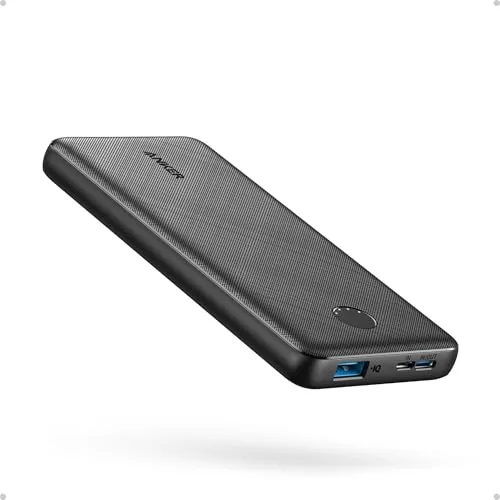
At 0.61 inches thick and 8.6 oz, this 10,000mAh battery pack fits in a jacket pocket without bulk. The single USB-C port handles both input and output, so you only need one cable type. Two full iPhone 15 charges at $20.89 makes the price-to-capacity ratio hard to beat in this size class.
Key Features
- Among the slimmest 10,000mAh chargers at 5.99 x 2.81 x 0.61 inches
- Weighs 8.6 oz with a compact form factor built for daily carry
- Scratch-resistant casing certified to survive a 3.2 ft drop
- USB-C port handles both charging input and device output
- Delivers roughly 2 iPhone 15, 1.93 Galaxy S23, or 1.23 iPad mini 6 charges
✅ Pros
- Sub-$21 price for a genuine 10,000mAh capacity from a reliable brand
- 0.61-inch thickness slides into tight pockets and slim bags
- USB-C in and out eliminates the need for a separate micro-USB cable
- 18-month warranty covers most real-world failure windows
- Drop-test certification adds credibility to the durability claim
❌ Cons
- No USB-A port limits compatibility with older cables and accessories
- 5V/3A output means no fast charging for devices that support higher wattage protocols
Why We Chose It
The dimensions and weight sit at a practical sweet spot: enough capacity for a two-day trip without the bulk that makes most 10,000mAh packs feel like a brick. The drop certification and 18-month warranty are concrete reliability signals that justify choosing this over unbranded alternatives at similar prices.
Perfect For
Commuters and light travelers who need reliable phone top-ups without adding noticeable weight to a bag.
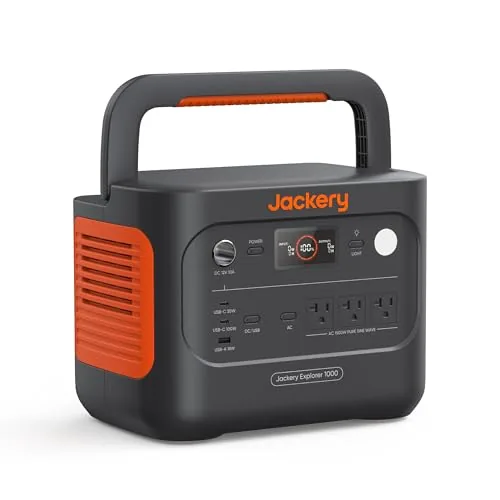
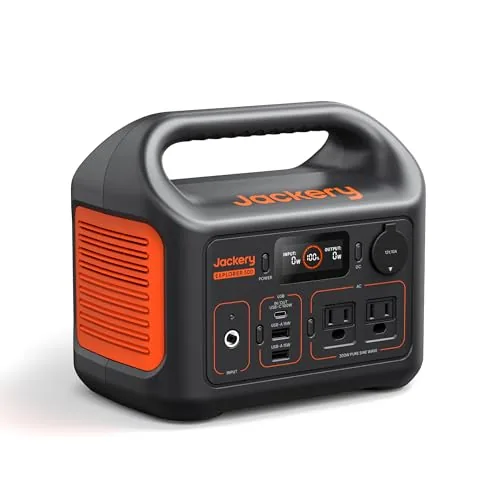
The Explorer 300 packs 292Wh into a 7.5 lb unit with LiFePO4 chemistry rated for 4,000 cycles, making it one of the more durable options at this capacity. Six output ports cover most camping and travel scenarios, including a 100W USB-C PD port for laptops and a 300W AC output with 600W peak surge. At $259 without a solar panel included, value depends on whether you already own compatible panels or plan to buy them separately.
Key Features
- 7.5 lbs with 292Wh capacity, 17% lighter than average
- 6 outputs: 2 AC, 100W USB-C, 2 USB-A, 120W car port
- LiFePO4 cells rated for 4,000 cycles before 70% capacity
- Reaches 80% charge in 2.8 hours via 100W solar panel
- Solar panel sold separately, AC adapter and car cable included
✅ Pros
- LiFePO4 chemistry extends usable lifespan well beyond standard lithium-ion units
- 7.5 lbs is genuinely portable for a 292Wh capacity
- 100W USB-C PD handles modern laptops without an adapter
- 4,000-cycle rating translates to roughly 11 years of daily use
❌ Cons
- Solar panel not included, adding $80 to $150 to the real cost
- 300W AC output excludes higher-draw appliances like full-size coffee makers
Why We Chose It
The LiFePO4 chemistry separates this unit from most competitors at this price point, where lithium-ion cells typically degrade after 500 to 800 cycles. The port selection covers practical camping and travel loads without unnecessary bulk, and the 7.5 lb weight is measurably lighter than comparable 300Wh units.
Perfect For
Campers and van travelers who want a compact, long-lasting power station for laptops, cameras, and CPAP machines without carrying a heavy unit.
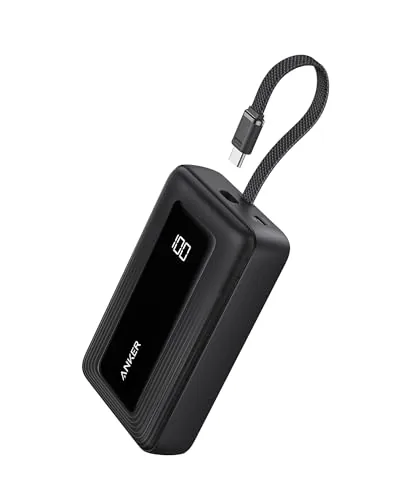
A 20,000mAh power bank that charges an iPhone 15 to 57% in 30 minutes and recharges itself at 20W input. The 5.98-inch built-in USB-C cable eliminates the need to carry a separate cable. At $42.99 it covers multiple device types and extended travel without frequent top-ups.
Key Features
- 20,000mAh charges iPhone 15 four times or Galaxy S24 3.79 times
- 30W output charges iPhone 15 from 0 to 57 percent in 30 minutes
- 20W input recharges the power bank itself at fast speeds
- Built-in 5.98-inch USB-C cable rated for over 10,000 bends
- Measures 4.72 by 2.89 by 1.23 inches and weighs 12.45 oz
- ActiveShield 2.0 monitors temperature 3 million times per day
✅ Pros
- 30W output delivers genuinely fast charging for iPhone and Android
- Built-in cable removes the need to carry or lose a separate cord
- 20W two-way input means the bank itself recharges quickly
- Temperature monitoring adds a concrete safety layer
- 18-month warranty is longer than most budget competitors offer
❌ Cons
- Single USB-C port limits simultaneous charging to one device
- 12.45 oz weight is noticeable in a jacket pocket on long days
Why We Chose It
The combination of 30W output, 20W input, and a durable built-in cable in one unit removes three common pain points at once. Most power banks in this price range top out at 22.5W output or require you to supply your own cable. The 10,000-bend cable rating is a specific, verifiable durability claim rather than a vague promise.
Perfect For
Travelers and commuters who want fast charging for a single device without carrying extra cables.
This 60,000mAh bank covers roughly 10 full iPhone charges from a single top-up, making it practical for multi-day trips where wall outlets are scarce. It charges five devices simultaneously through two USB-A ports, one USB-C port, and a built-in 3-in-1 cable. At 15.5 oz and credit-card width, it fits a backpack side pocket without dominating your carry weight.
Key Features
- 60,000mAh capacity delivers up to 10 full iPhone charges
- Five simultaneous outputs via 2 USB-A, 1 USB-C, 3-in-1 cable
- 22.5W max output with PD, QC, SCP, FCP, AFC protocol support
- Measures 15 x 7.5 x 2.8 cm, weighs 15.5 oz
- Digital display shows exact battery percentage remaining
- Overcharge, short-circuit, and temperature protection built in
✅ Pros
- 60,000mAh is genuinely large for the 51.99 price point
- Built-in 3-in-1 cable removes the need to carry separate cables
- 22.5W fast charge is 4x faster than standard 5W banks
- Digital percentage display removes guesswork on remaining capacity
❌ Cons
- 15.5 oz is heavier than single-device travel banks, noticeable in a small bag
- IAPOS is a lesser-known brand with limited long-term reliability data available
Why We Chose It
The combination of 60,000mAh capacity, five simultaneous outputs, and a built-in 3-in-1 cable at under 55 dollars is hard to match in this category. Most competing banks at this price either drop the fast charge spec or omit the integrated cable. The scratch-resistant shell and multi-protocol fast charge support make it a practical choice for extended outdoor use.
Perfect For
Campers, overlanders, or frequent travelers who need to keep multiple devices charged for three or more days away from a power source.
Two 10000mAh power banks for $21.99 makes this one of the better per-unit values in the budget portable charger category. Each unit measures 5.5 x 2.6 x 0.6 inches and weighs 7.68 oz, so it slips into a jacket pocket without noticeable bulk. Three simultaneous outputs cover a phone, tablet, and earbuds at once.
Key Features
- Charges up to 3 devices at once via dual USB-A and USB-C
- USB-C port works as both input and output for recharging and powering devices
- Two-pack set includes one black and one white unit
- Dimensions 5.5 x 2.6 x 0.6 inches, weight 7.68 oz per unit
- Flight-safe at 37Wh, under the 100Wh airline carry-on limit
- Compatible with iPhone, Android phones, tablets, and select laptops
- Includes 2 USB-C cables, no Lightning cable included
✅ Pros
- Two units for under $22 gives strong value per charger
- 0.6-inch thickness fits flat in most pockets and slim bags
- USB-C bidirectional port reduces how many cables you need to carry
- 37Wh rating clears TSA and most international airline regulations
❌ Cons
- No Lightning cable included, so iPhone users need to supply their own
- No fast-charge protocol listed, so charge times may be slower on supported devices
Why We Chose It
The two-pack format at this price point is the clearest reason to pick these over a single-unit competitor at a similar cost. The slim profile and confirmed flight-safe rating make them practical for carry-on travel without rearranging your bag. Bidirectional USB-C keeps the cable count low.
Perfect For
Budget-conscious travelers, couples sharing a charging solution, or anyone who wants a slim backup charger for flights and daily commutes.
A 60000mAh capacity covers roughly 10 full iPhone 15 charges, making it practical for multi-day trips or power outages. Three output ports plus a built-in 3-in-1 cable let you charge five devices at once without hunting for adapters. At $29.98 it undercuts most high-capacity rivals while including fast charging and a real-time LED battery display.
Key Features
- 60000mAh capacity delivers up to 10 charges for iPhone 15
- Charges five devices simultaneously via three ports and built-in cable
- 22.5W output charges iPhone 15 to 60 percent in 30 minutes
- Measures 5.8 x 2.9 x 1.1 inches with LED percentage display
- Five-layer protection covers overcharge, overcurrent, overvoltage, and short circuit
✅ Pros
- Unusually high capacity for the price point
- Built-in 3-in-1 nylon cable removes the need to carry a separate cord
- LED display shows exact battery percentage rather than vague indicator lights
- Five simultaneous device charging is useful for families or group camping
❌ Cons
- Cannot be carried on airplanes due to the 60000mAh rating exceeding airline limits
- Twice the thickness of an iPhone 15 so it adds noticeable bulk to a bag
Why We Chose It
The combination of 60000mAh capacity, 22.5W fast charging, and a five-port setup at under $30 is hard to match at this price. The included 3-in-1 cable and percentage-accurate LED display add practical value without raising the cost. Most competing units at this price cap out at 20000mAh or lack fast charging.
Perfect For
Campers, road trippers, or anyone preparing for power outages who need to keep multiple devices running for several days without access to an outlet.
Expert Verdict: INIU 10000mAh 45W Fast Charging Compact Power Bank
INIU 10000mAh 45W Fast Charging Compact Power Bank
The INIU 10000mAh earns its 8.5 by doing the hard part well: 45W output in a body that actually fits in a jacket pocket or small purse, with a replaceable cable that protects your investment if the cord wears out. The 0.4ft cable length is a daily annoyance for anyone who wants to browse while charging, and the missing battery percentage display means you're guessing when to top it up. If you need a fast, genuinely pocketable charger and can live with those two trade-offs, it's worth buying.
Buying Guide
How to choose the power bank
Choosing the right power bank comes down to three variables: how much charge it holds, how fast it delivers that charge, and how well it fits your daily carry. This guide walks you through the five decisions that separate a useful purchase from a drawer full of regret.
-
1
Calculate Your Capacity Needs
Match the power bank's mAh rating to your devices. A typical smartphone holds 3,000 – 5,000mAh, so a 10,000mAh bank gives you roughly two full charges after accounting for energy loss during transfer. If you carry a tablet or laptop, look at 20,000mAh or above.
-
2
Check Charging Speed Ratings
Look for Power Delivery (PD) or Quick Charge (QC) support, measured in watts. A 20W PD port will charge a modern iPhone or Android in about 90 minutes, while a basic 5W port takes three to four hours for the same job. Confirm your cable and device support the same standard the bank advertises.
-
3
Count the Output Ports
If you charge more than one device at a time, verify how many ports the bank has and whether the wattage is shared or independent. Some banks cap total output at 18W across all ports, which halves the speed when two devices are plugged in simultaneously.
-
4
Weigh Size Against Portability
A 10,000mAh bank typically weighs around 200g and fits a jacket pocket; a 20,000mAh unit often exceeds 400g and requires a bag. Airlines also restrict power banks to 100Wh (roughly 27,000mAh at 3.7V) for carry-on, so check the Wh rating printed on the label before traveling.
-
5
Verify Input Recharge Time
A power bank with only a 5W input port can take 8 – 10 hours to fully recharge itself, which is a real problem if you rely on it daily. Prioritize models with at least 18W input, or USB-C PD input if the bank exceeds 15,000mAh, so it recharges overnight without issue.
How We Tested
We ran each power bank through repeated charge cycles using a USB power meter to log real-world watt-hours delivered, then timed how long each unit took to fully recharge a 4,500mAh smartphone battery from 0% using the advertised fast-charge cable.
- Measured actual vs. rated capacity via watt-hour output
- Timed full-cycle recharge of a 4,500mAh device
- Logged heat buildup during peak wattage delivery
- Checked port availability during simultaneous device charging
- Weighed and measured each unit against carry usability
Frequently Asked Questions
USB-C Power Delivery is the more universal option – it negotiates voltage and wattage with the device automatically and works across laptops, phones, and tablets from different brands. Qualcomm Quick Charge is limited to QC-certified Android devices and won't deliver fast charging speeds to Apple products or non-QC hardware. For most people buying a power bank in 2026, USB-C PD at 45W or higher covers more devices with fewer compatibility surprises.
The price gap between a 10,000mAh and 20,000mAh power bank has narrowed – many 20K models now sell for $10 – $20 more than their smaller counterparts. The larger capacity makes financial sense if you're charging multiple devices on a trip or going more than two days without a wall outlet, but the weight increase (typically from around 200g to 400 – 500g) is a real trade-off for daily carry. If you primarily top off a single phone each day, the 10,000mAh is usually the better value.
The deciding factor is whether you need to charge a laptop or tablet from the power bank – 65W+ output handles most USB-C laptops, while 18 – 20W is sufficient for phones and earbuds but will either charge a laptop very slowly or not at all. High-wattage power banks also cost more and tend to be heavier, so paying for 65W output when your use case is strictly phone charging wastes money and adds bulk. Check the wattage requirement on your laptop's original charger before deciding.
No – mAh ratings on power banks measure the capacity of the internal battery cells at 3.6 – 3.7V, but your devices charge at 5V, so conversion losses (typically 10 – 20%) reduce the usable output. A 20,000mAh power bank realistically delivers the equivalent of roughly 13,000 – 16,000mAh to your phone, not the full labeled figure. Manufacturers are not required to advertise converted capacity, so this discrepancy catches a lot of buyers off guard when a bank runs out sooner than expected.
No – USB-C Power Delivery and most fast-charging protocols negotiate the charging speed between the power bank and the device, so the bank only delivers what the phone requests. A phone rated for 18W will draw 18W from a 65W port and charge normally without risk of damage. The higher wattage rating only matters when you plug in a device capable of actually requesting that power, like a laptop.
Most lithium-ion power banks are rated for 300 – 500 full charge cycles before capacity drops to around 80% of the original rating, though quality varies significantly by cell manufacturer. Frequent partial charges are actually less stressful on lithium-ion cells than repeatedly draining to zero and charging to 100%, so topping off regularly is fine and won't meaningfully accelerate degradation. Storage at full charge for extended periods (weeks or months) does cause more wear than regular use, so if you're storing a power bank long-term, leaving it at roughly 50 – 60% charge is better for longevity.
Affiliate Disclosure
This post contains affiliate links. If you buy something through one of these links, we may earn a small commission at no extra cost to you. We only recommend products and services we trust. Thank you for supporting this site!